How to Make a Phone Charm
- By Lesondi
- Updated:
Have you ever wanted to add a personalized phone charm to your phone that reflects your style and stands out from the crowd? Or maybe you’re looking for a fun, creative project that doesn’t require expensive materials? Phone charms are the perfect way to express yourself while giving your device a unique flair.
Creating and wearing a phone charm is not just about aesthetics but also practicality. Phone charms aren’t just decorative—they serve a practical purpose too. Many users search for ways to make their phones easier to grip, prevent drops, or simply add a touch of personality to an everyday gadget. Whether you prefer minimalist designs or bold, eye-catching charms, learning how to craft your own allows for endless customization. Plus, DIY phone charms make great gifts, offering a heartfelt and handmade alternative to store-bought accessories.
In this guide, we’ll walk you through everything you need to know—from choosing the right materials to assembling your phone charm with confidence. By the end, you’ll have a one-of-a-kind accessory that turns your phone into a true reflection of you. Let’s get started!
Table of Contents
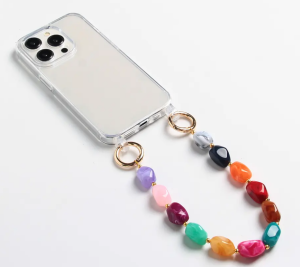
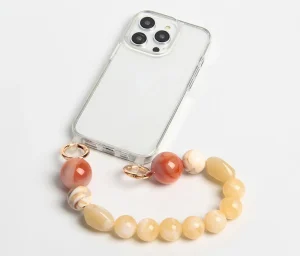
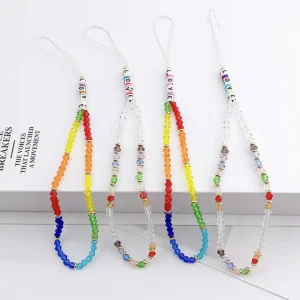
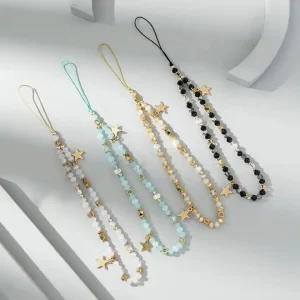
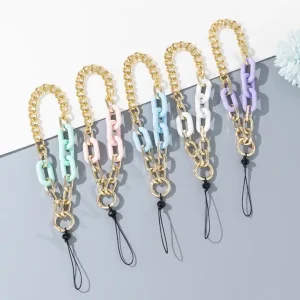
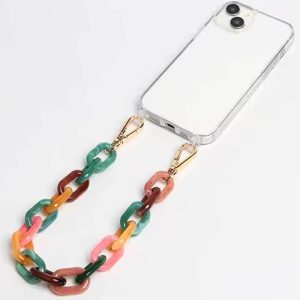
A phone charm is a small decorative item that hangs from a phone, made from materials like beads and strings, available in various shapes and sizes. Making your phone charm allows you to express your personality by choosing colors and designs you love, such as a cat-shaped charm if you’re a cat lover. DIY phone charms are often cheaper than store-bought ones, which can cost around $10 or more, while making one at home might only cost a few dollars. Additionally, crafting a charm can be a fun activity, whether done alone or with friends, resulting in a unique creation that reflects your individuality.
What Materials do I Need to Make Phone Charms?
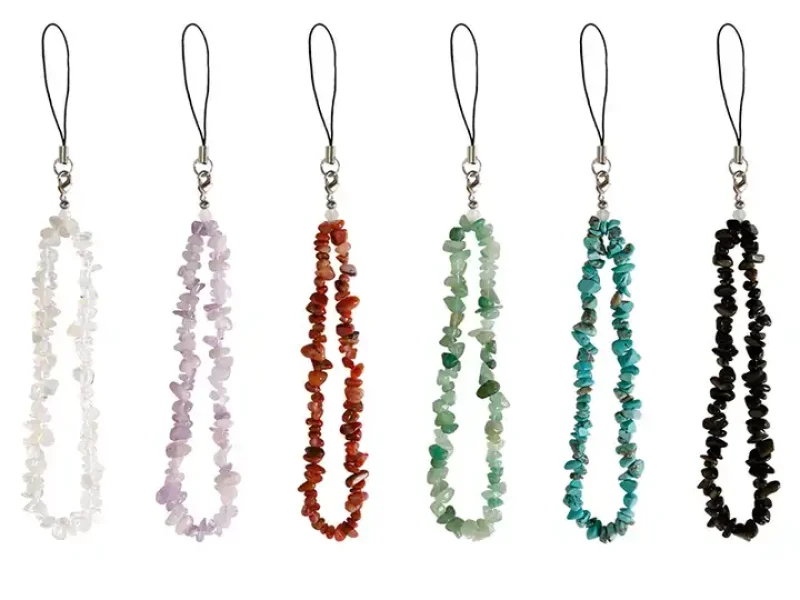
To make phone charms, you need some basic supplies. Here is a list:
– Beads: You can use different types of beads. For example, glass beads, plastic beads, or wooden beads. You might choose 10 to 20 beads in various colors.
– Charms: Charms add fun to your phone charm. You can find charms shaped like animals, stars, or hearts. For instance, a small star charm can cost about $1.
– String: You need the string to hold everything together. Nylon or elastic string works well. A 1-meter piece is usually enough for one charm.
– Keyring: A keyring connects the charm to your phone. Keyrings are often sold in packs, and you might get five for around $3.
– Clasps: Clasps help to open and close the charm. You can use lobster clasps or split rings. A pack of 10 clasps can cost about $2.
You can also use optional materials to make your phone charms unique. Here are some ideas:
– Paint: You can paint your beads or charms. For example, using acrylic paint can give a personal touch. A small bottle of paint costs about $3.
– Glitter: Adding glitter can make your charm sparkle. You can mix glitter with glue and apply it to your charms. A jar of glitter costs around $2.
– Stickers: You can use small stickers to decorate your charms. For example, cute animal stickers can be placed on beads. A sheet of stickers usually costs about $1.
– Personal Photos: You can include tiny photos in your charms. You can print small pictures and place them inside clear charms. Printing small photos can cost about $0.10 each.
Step-by-Step Instructions for Crafting Phone Charms
Step 1: Preparing the Materials
First, gather all your materials. Make sure you have beads, charms, string, a keyring, and clasps. You can lay them out on a table. This will help you see everything. Check that you have enough beads. For example, if you want to use 15 beads, count them out. Also, cut a piece of string about 1 meter long. This length is usually good for one charm.
Step 2: Designing the Charm
Next, think about how you want your charm to look. You can choose a color theme. For instance, you might want to use blue and silver beads. Arrange the beads and charms on the table. You can try different patterns. Place a charm in the center and surround it with beads. This can help you visualize the final look. Take a picture if you want to remember the design.
Step 3: Assembling the Charm
Now, it is time to put everything together. Take the string and thread it through the keyring. After that, start adding the beads. Push each bead onto the string. Leave some space at the end of the string. This space will help you tie a knot later. Once you add all the beads, place the charm on the string. Make sure it is secure.
Step 4: Attaching the Charm to the Phone
Finally, attach the charm to your phone. Take the end of the string and tie a knot. Make sure the knot is tight. You can add a clasp to the end of the string if you want. This will make it easier to remove the charm. Clip the charm to your phone case or directly to your phone. Now, your phone charm is ready to use. Enjoy your new creation!
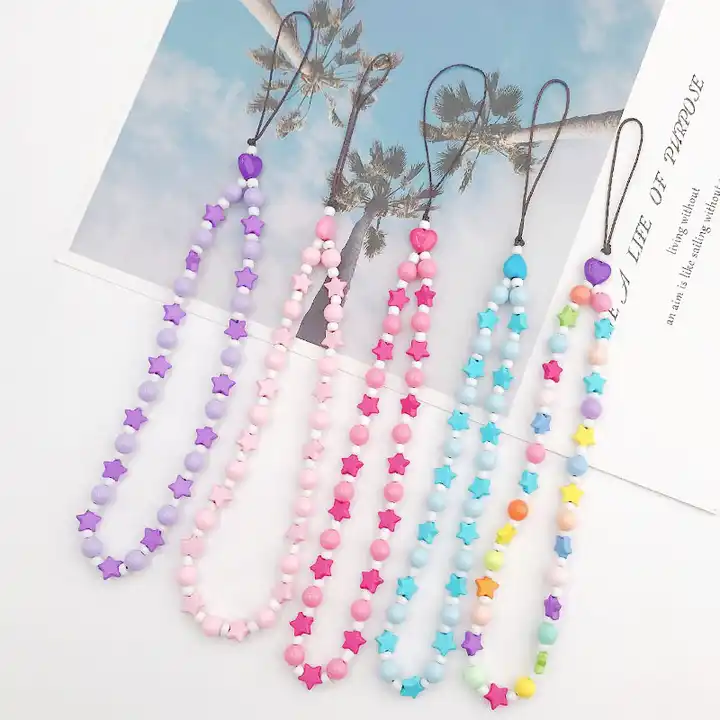
How Many Creative Ideas for Phone Charms
DIY Themes
-Make kawaii charms. Use pastel colors and cute shapes. For example, make a charm with pink beads and a small cat face.
-Make minimalist charms. Use simple shapes and neutral colors. For example, use black and white beads with a small circle charm.
-Make personalized charms. Use letters or birthstones. For example, make a charm with the letter “A” and a blue bead for someone named Amy.
Using Different Materials for Variety
-Try wood beads. Wood beads give a natural look. For example, use small wooden beads with a leaf charm.
-Try metal charms. Metal charms look shiny and modern. For example, use silver star charms with clear beads.
-Try fabric pieces. Fabric adds softness. For example, tie a small piece of denim or lace to the charm. Or you can sew small fabric shapes like hearts or stars.
-Try clay. You can use clay. Clay can be shaped into any design you want. If you bake the clay, it becomes hard. This makes it a strong material for phone charms.
-Try resin. You can put small items like glitter or flowers inside the resin. This creates a unique look.
Unique Designs and Themes
-Make food-themed charms. Use tiny fruit or dessert shapes. For example, use a small strawberry charm with green beads.
-Make seasonal charms. Change designs for holidays. For example, make a snowflake charm in winter or a pumpkin charm in fall.
-Make glow-in-the-dark charms. Use special beads or paint. For example, use glow-in-the-dark beads for a fun night-time effect.
Tips for Making Durable Phone Charms
Recommendations for Securing Beads and Attachments
To make your phone charms strong, you need to secure the beads well. Use a knot at the end of the string after adding the beads. A good knot can hold the beads in place. You can use a double knot for extra strength. This means tying the knot twice.
If you use a clasp, make sure it is strong. A lobster clasp is a good choice. It closes tightly and holds well. You can also use glue for extra security. For example, you can put a drop of glue on the knot. This can help keep it from coming undone.
When adding charms, check that they are attached well. You can use jump rings to connect charms to the string. Make sure to close the jump ring tightly. This will prevent the charms from falling off.
Care Tips for Phone Charms
To keep your phone charms looking nice, you need to take care of them. Avoid exposing them to water. Water can damage beads and charms. If your charm gets wet, dry it gently with a cloth.
Store your charms in a safe place when not in use. You can use a small box or a pouch. This will protect them from scratches or tangles.
Also, check your charms regularly. Look for loose beads or knots. If you find any issues, fix them right away. This will help your charm last longer. Finally, keep your charm away from sharp objects. Sharp items can scratch or break the charms.
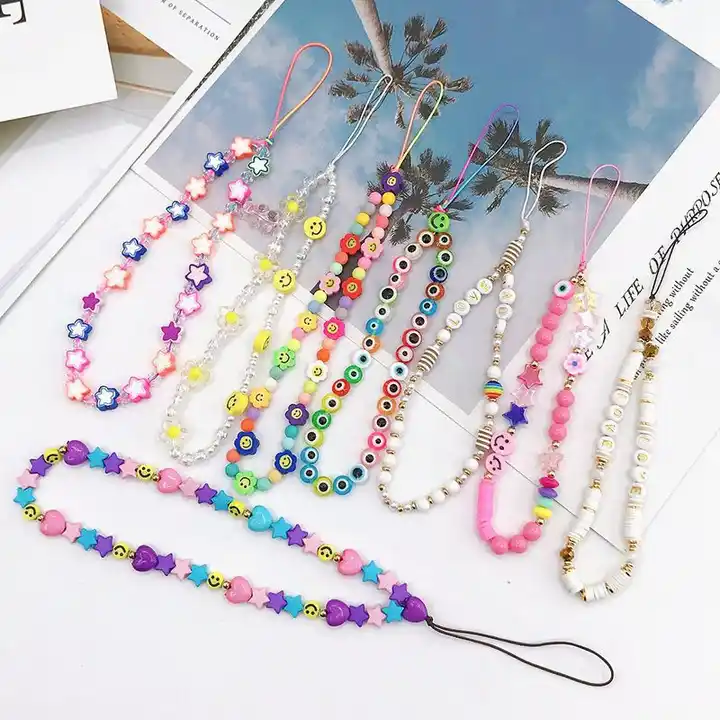
Tips for Durability and Safety
Ensuring the Phone Charm Stays Secure
-Use thick string. To make sure your phone charm stays secure, use strong materials. Choose thick string or nylon cord. String should be at least 0.8mm thick. For example, use stretchy cord for beaded charms.
-Tie knots tightly. Make three knots at each end. For example, use square knots which don’t slip easily.
-Add glue to knots. Use super glue for plastic strings. For example, put glue on the knot after tying.
-Check the clasp often. Metal clasps should not be loose. For example, test the clasp by pulling gently every few days.
Avoiding Damage to Your Phone
-Use light phone charms. Heavy charms can break phone cases. For example, keep phone charms under 20 grams in weight.
-Avoid sharp edges. Pointy charms can scratch phones. For example, choose round plastic charms instead of metal spikes.
-Keep phone charms short. Long charms get caught on things. For example, make charms no longer than 10cm.
-Remove phone charms often. Take them off when not using your phone. For example, take off charms when sleeping or exercising.
How Do I Attach a Charm to My Phone?
1. Check Your Phone Case
Look for a charm hole. Many cases have small holes. For example, most silicone cases have a hole near the corner.
No hole? Use a strap holder. Some cases have loops. For example, OtterBox cases often have built-in loops.
2. Choose the Right Connector
Use a small keyring. Keyrings must fit the hole. For example, use a 10mm metal keyring.
Try a lobster clasp. These are easy to open. For example, use an 8mm silver clasp.
3. Attaching the Charm
Open the keyring or clasp. Use your nails or pliers. For example, twist the keyring open sideways.
Slide it through the hole. Make sure it’s secure. For example, push until the ring clicks shut.
Hook your charm on. Double-check the connection. For example, pull gently to test if it holds.
4. Alternative Methods
No hole? Use adhesive hooks. Stick small hooks to your case. For example, use 3M Command mini hooks.
Try a pop socket. Some pop sockets have charm loops. For example, attach charms to PopSocket’s swivel loop.
5. Safety Check
Make sure it doesn’t block buttons. The charm should hang freely. For example, test all side buttons after attaching.
Check for sharp edges. Smooth edges won’t scratch. For example, run your finger along all metal parts.
Read More: How To Attach A Phone Crossbody To Your Phone (2025): A Step-by-Step Guide
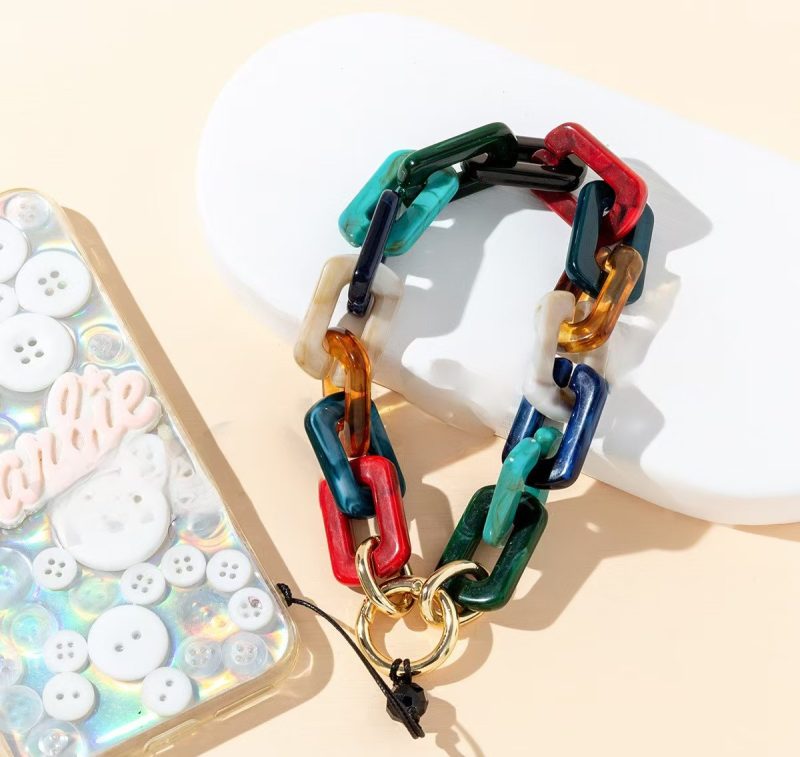
Are Phone Charms Safe for My Device?
Weight Considerations
Heavy phone charms can damage phones. Keep charms under 30 grams. For example, a large metal charm might be too heavy.
Light phone charms are safer. Plastic or small beads work best. For example, 5-10 gram charms won’t strain the phone.
Attachment Points
Use proper attachment spots. Most cases have dedicated holes. For example, look for small holes near the bottom corner.
Avoid forcing attachments. Don’t bend phone parts. For example, never wedge charms into charging ports.
Material Safety
Soft materials won’t scratch. Use plastic or silicone charms. For example, rubber charms are gentle on screens.
Avoid sharp metal edges. These can damage surfaces. For example, pointy star charms might leave marks.
Movement Risks
Long charms can get caught. Keep under 8cm in length. For example, dangling beads might snag in pockets.
Secure all connections well. Check knots weekly. For example, test string ties by gentle pulling.
Phone Function Checks
Ensure no button blocking. Charms shouldn’t touch buttons. For example, keep away from volume and power buttons.
Verify that wireless charging works. Remove metal charms first. For example, take off the charms before charging.
Case Compatibility
Some cases work better. Slim cases hold charms best. For example, 2 mm-thick cases usually have charm holes.
Bulky cases may not fit. Check before attaching. For example, rugged cases often lack attachment points.
Cleaning Needs
Dirt can build up. Clean weekly with a dry cloth. For example, wipe where the charm connects to the phone.
Moisture causes damage. Remove in wet conditions. For example, take off before beach trips.
Are There Any Tips for Making My Phone Charm More Durable?
Use Strong Materials
Choose tough string. Nylon or fishing line lasts longer. For example, use 20lb test fishing line for heavy charms.
Pick quality beads. Glass beads don’t crack easily. For example, 4mm glass beads survive drops better than plastic.
Secure All Connections
Double-knot everything. Add a drop of glue to knots. For example, use super glue on nylon string knots.
Use metal clasps. Plastic clasps break faster. For example, choose 10mm stainless steel jump rings.
Protect From Damage
Avoid water exposure. Water ruins most materials. For example, remove charms before washing hands.
Keep away from heat. Heat melts glue and plastic. For example, don’t leave in hot cars.
Regular Maintenance
Check weekly for wear. Look for frayed strings. For example, inspect where the charm attaches to the phone.
Tighten loose parts immediately. Fix problems early. For example, re-tie knots when they loosen.
Smart Design Choices
Limit moving parts. Fewer pieces mean less breakage. For example, use 5 beads instead of 10.
Make charms compact. Smaller sizes snag less. For example, keep under 7cm total length.
Proper Storage
Store charms separately. Use small containers. For example, keep in jewelry boxes with dividers.
Hang when not using. Prevents tangling. For example, use a small hook on your desk.
Reinforcement Tips
Add clear nail polish. Coat knots and weak spots. For example, brush polish on string ends.
Use crimp beads. These lock strings in place. For example, add silver crimp beads above charms.
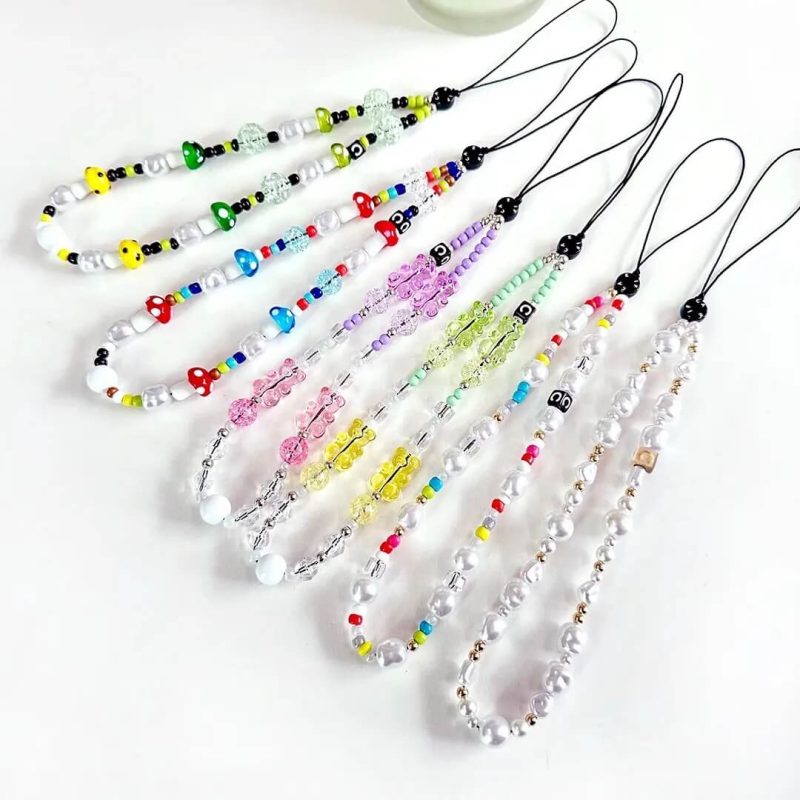
What Are Some Common Mistakes to Avoid When Making Phone Charms?
Using Weak Materials
Thin string breaks easily. Avoid sewing thread. For example, cotton thread snaps after few weeks of use. Cheap clasps open accidentally. Skip dollar store findings. For example, flimsy keyrings pop open in pockets.
Making Too Long
Long charms get tangled. Keep under 10cm. For example, 15cm charms catch on door handles. Heavy charms strain phones. Stay under 20 grams. For example, large metal pendants bend phone cases.
Poor Attachment
Loose knots unravel. Always double-knot. For example, single knots slip off beading wire. Wrong glue ruins charms. Use jewelry glue only. For example, school glue dissolves in humidity.
Ignoring Phone Safety
Sharp edges scratch screens. File metal charms smooth. For example, sand pointy star charm tips. Big charms block buttons. Test all functions first. For example, check volume buttons still work.
Skipping Maintenance
Broken charms damage phones. Fix cracks immediately. For example, replace chipped glass beads fast. Dirty charms stain cases. Clean weekly. For example, wipe grease off leather straps.
Bad Storage
Tangled charms break. Store separately. For example, use divided craft boxes. Sunlight fades colors. Keep away from windows. For example, red beads turn pink in sunlight.
Rushing the Process
Unfinished edges fray. Seal all cuts. For example, burn nylon string ends with lighter. Uneven balance looks bad. Test hang first. For example, charms should hang straight not crooked.
Conclusion
Making charms is a great way to express yourself. You can use different colors and shapes. I encourage you to try new things. You can mix materials like wood and metal. This mix can create a unique charm. You can also add personal touches. For instance, you might include a charm that represents a hobby, like a small guitar for music lovers.
Personalizing your charms makes them special. You can make gifts for friends or family. A handmade charm can mean a lot. It shows you care. So, go ahead and experiment. Try different designs and materials. Have fun with it!
If you like it, Share :
Read other blog posts