What to Pack in a Beach Bag
- By Lesondi
- Updated:
Heading to the beach, but unsure of what to bring? How do you pack the perfect beach bag without forgetting the essentials? A day at the beach should be carefree—but without the right essentials, it can quickly turn into a hassle. So, what should you pack to ensure a perfect seaside escape?
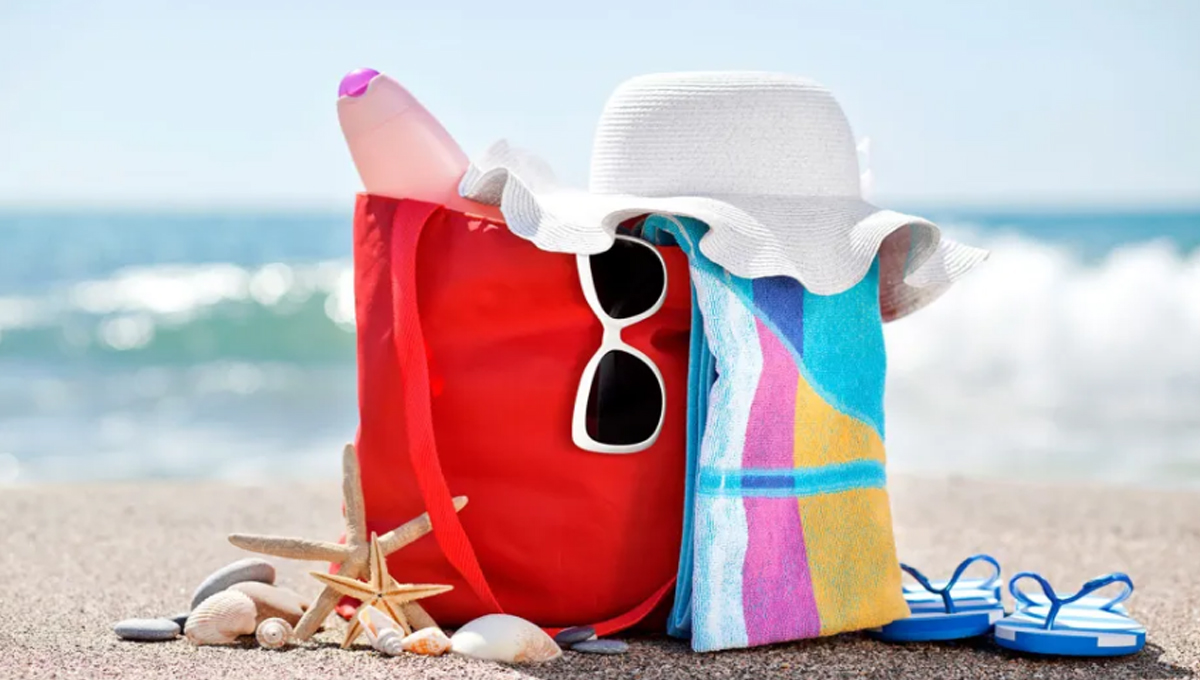
Packing the right beach bag is more than just tossing in a towel and sunglasses—it’s about preparation meets convenience. Popular guides emphasize sun protection (reef-safe sunscreen, hats, UV-blocking clothing), hydration (insulated water bottles), and practical extras (quick-dry towels, waterproof phone pouches, and sand-free bags). These essentials not only enhance comfort but also protect your health and belongings, making your beach trip smooth and stress-free. After all, the right gear means more time relaxing and less time scrambling for forgotten items.
So before you head out, take a moment to pack smart. Because when your beach bag is thoughtfully stocked, the only waves you’ll need to worry about are the ones lapping at the shore. Dive into this guide, and get ready for your best beach day yet!
Table of Contents
Packing the right items for a beach day is very important. It helps you enjoy your time at the beach. If you forget something, it can make your day less fun. For example, if you forget sunscreen, you might get sunburned. This can ruin your trip.
A well-prepared beach bag makes your experience better. When you have everything you need, you can relax more. For instance, having snacks keeps your energy up. You can dry off quickly after swimming if you have a good towel. These small things make a big difference in your day at the beach.
Importance of Sun Protection
Sunscreen (SPF Recommendations)
Sunscreen helps protect your skin from the sun’s harmful rays. It is important to choose a sunscreen with a high SPF. SPF stands for Sun Protection Factor. An SPF of 30 blocks about 97% of UVB rays. An SPF of 50 blocks is about 98%. For example, if you spend time outdoors, use SPF 30 or higher. Apply sunscreen 15 to 30 minutes before going outside. Reapply every two hours, especially after swimming or sweating.
Sunglasses (UV Protection)
Sunglasses protect your eyes from UV rays. Look for sunglasses that block 100% of UVA and UVB rays. Dark lenses do not always mean better protection. For example, some cheap sunglasses may look dark but do not block UV rays well. Good sunglasses should have a label saying they block UV rays. Wearing sunglasses can help prevent cataracts and other eye problems.
Wide-brimmed Hat or Cap
A wide-brimmed hat or cap provides extra protection for your face and neck. A hat with a brim of at least 3 inches can block sunlight. This helps reduce the risk of sunburn. For example, when you wear a hat while at the beach, it can keep your face cooler and protect your skin. Caps can also help, but they cover less area. Choose a hat made of tightly woven fabric for better protection.
Importance of Sun Protection in Beach Attire
Swimsuit
A swimsuit is essential for swimming and sunbathing. It allows your skin to get sun exposure. However, it also means your skin can burn easily. Choose a swimsuit with UV protection if possible. Some swimsuits have special fabric that blocks UV rays. For example, a swimsuit with a UPF rating of 50 can block about 98% of UV rays. This helps protect your skin while you enjoy the water.
Cover-up
A cover-up is important for protecting your skin when you are not in the water. It can be a dress, shirt, or light jacket. A cover-up helps shield your skin from the sun’s rays. Look for cover-ups made from lightweight, breathable fabric. For example, a long-sleeved cover-up can protect your arms and shoulders. Wearing a cover-up can reduce the risk of sunburn. It is a simple way to stay safe while looking stylish.
Flip-flops
Flip-flops are common beach footwear. They are easy to wear and keep your feet cool. However, flip-flops do not provide much protection. They do not cover the tops of your feet. This means your feet can get sunburned. For example, if you walk on the sand for a long time, your feet can burn. Consider wearing flip-flops with a wider strap. This can help protect more skin. Also, apply sunscreen to your feet to prevent burns.
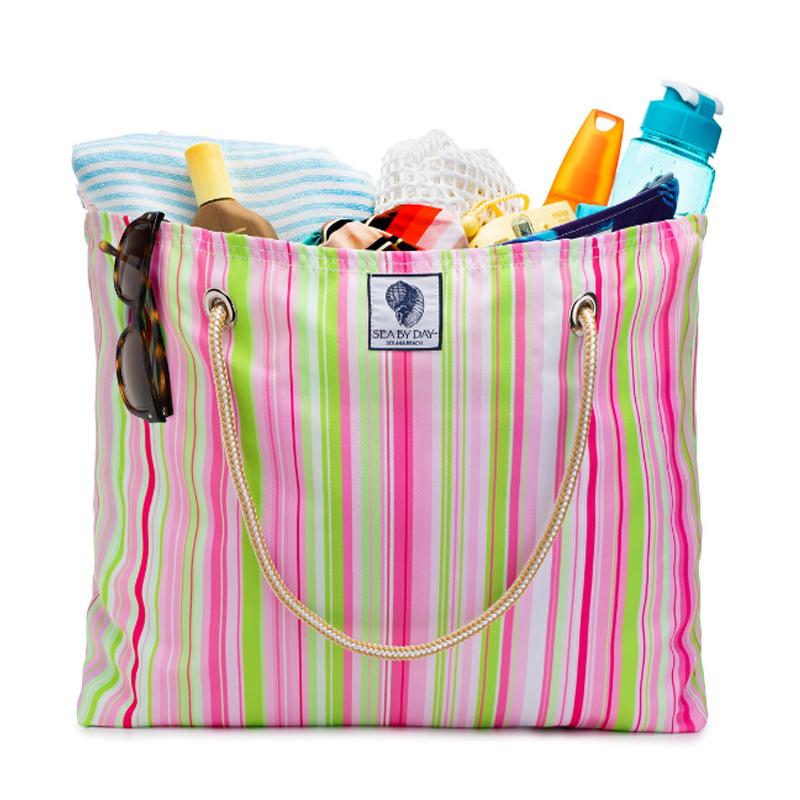
What is the Beach Gear Must-Haves
Beach Towel or Blanket
A beach towel or blanket is important for your comfort. It gives you a place to sit or lie down on the sand. A good beach towel is large and absorbent. For example, a towel that is 30 inches by 60 inches can cover your whole body. Some towels have bright colors or fun designs. This makes them easy to spot on the beach. A blanket can also work well. Choose one that is sand-resistant and easy to clean.
Portable Umbrella or Shade Tent
A portable umbrella or shade tent protects from the sun. It helps keep you cool and safe from sunburn. A good beach umbrella should be sturdy and easy to set up. For example, an umbrella with a 7-foot canopy can cover several people. A shade tent offers more coverage. It can protect a whole family from the sun. Make sure the tent is easy to carry and set up. This way, you can enjoy the beach without worrying about the sun.
Foldable Beach Chair
A foldable beach chair adds comfort to your beach day. It gives you a place to sit and relax. Look for a chair that is lightweight and easy to carry. For example, a chair that weighs about 5 pounds is easy to take along. Some chairs have cup holders or pockets for your things. This makes it convenient to keep your drinks and snacks close. A good beach chair can make your time at the beach more enjoyable.
What Hydration and Snacks Are Ideal for a Beach Trip?
Reusable Water Bottle
A reusable water bottle is very important for staying hydrated. It helps you drink enough water while at the beach. Choose a bottle that is made of stainless steel or BPA-free plastic. For example, a 32-ounce water bottle can hold enough water for a few hours of fun. stainless steel bottle can keep water cool for up to 24 hours. Drink water often. Heat and sun can cause dehydration. Aim for at least 8 cups of water per person for a full day at the beach. Fill it up before you leave home. Bringing your own bottle helps reduce plastic waste. It also saves you money because you do not need to buy bottled water.
Healthy, Non-Perishable Snacks
Healthy, non-perishable snacks are great for a beach trip. They are easy to pack and last a long time without spoiling. Good options include nuts, dried fruit, and granola bars. For example, a small bag of almonds can give you energy and protein. Dried apricots are sweet and full of vitamins. Granola bars are easy to carry and can fill you up. These snacks are good for keeping your energy up while you play in the sun.
Cooler Options
A cooler is helpful for keeping drinks and perishable snacks cold. It allows you to enjoy fresh food and drinks throughout the day. Choose a cooler that is lightweight and easy to carry. For example, a 20-quart cooler can hold drinks and snacks for a family of four. Fill it with ice packs to keep everything cold. You can pack sandwiches, fresh fruit, or yogurt. This way, you can have a nice meal without leaving the beach.
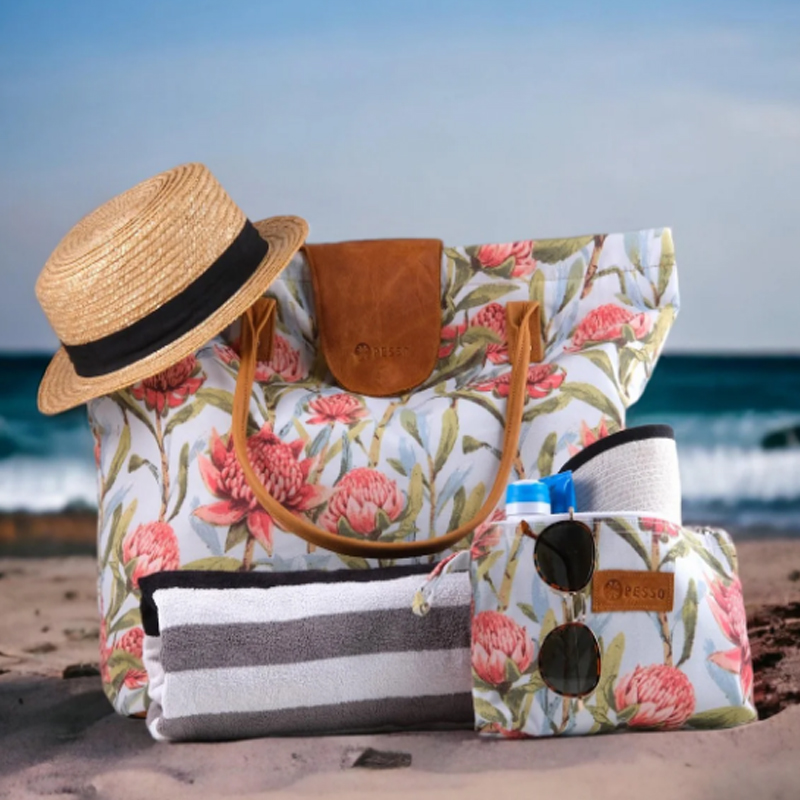
Entertainment and Extras for a Beach Trip
Waterproof Phone Case
A waterproof phone case is important for protecting your phone. It keeps your phone safe from water and sand. Look for a case that is rated IP68. This means it can be submerged in water for a certain time. For example, some cases can stay underwater for up to 30 minutes at a depth of 6 feet. This way, you can take pictures without worrying about damage.
Beach-Friendly Books or Magazines
Beach-friendly books or magazines are great for relaxing. They let you enjoy some quiet time by the water. Choose books that are light and easy to read. For example, a paperback novel is easy to carry and does not take up much space. Magazines are also good options. They have short articles and colorful pictures. You can read them while you sunbathe or take a break from swimming.
Portable Speaker (Water-Resistant)
A portable speaker can make your beach trip more fun. It allows you to listen to music while you relax. Choose a speaker that is water-resistant. For example, a speaker with an IPX7 rating can handle splashes and light rain. Some speakers can connect to your phone via Bluetooth. This way, you can play your favorite songs easily.
Beach Games
Beach games are a fun way to stay active. They keep everyone entertained while enjoying the sun. Popular games include beach volleyball, frisbee, and paddleball. For example, a beach volleyball set can provide hours of fun for a group. Frisbees are easy to throw and catch. They are great for playing with friends or family.
Music Options
Music options are important for setting the mood. You can bring a playlist on your phone or use a music app. Choose upbeat songs that everyone enjoys. For example, a mix of pop and classic beach tunes can make the day more enjoyable. Make sure to keep the volume at a reasonable level. This way, everyone can enjoy the music without disturbing others.
What is the Personal Items for a Beach Trip
Lip Balm with SPF
Lip balm with SPF is important for protecting your lips. The sun can cause sunburn on your lips just like on your skin. Choose a lip balm that has at least SPF 15. This will help block harmful UV rays. For example, a lip balm with SPF 30 can provide better protection. Apply it every two hours, especially after eating or drinking.
Wet Wipes or Hand Sanitizer
Wet wipes or hand sanitizer are useful for keeping clean. They help you wipe away sand or salt after swimming. Wet wipes are good for quick clean-ups. They can be used to clean your hands or face. Hand sanitizer is also important. Choose one that contains at least 60% alcohol. This helps kill germs when soap and water are not available.
Extra Clothes or Cover-Up
Extra clothes or a cover-up are helpful for changing after swimming. Wet swimsuits can be uncomfortable. A cover-up can help you stay cool and protect your skin from the sun. Choose lightweight and breathable fabrics. For example, a cotton cover-up is easy to wear and dries quickly. Bring an extra pair of shorts or a t-shirt for comfort. This way, you can stay comfortable during your beach day.
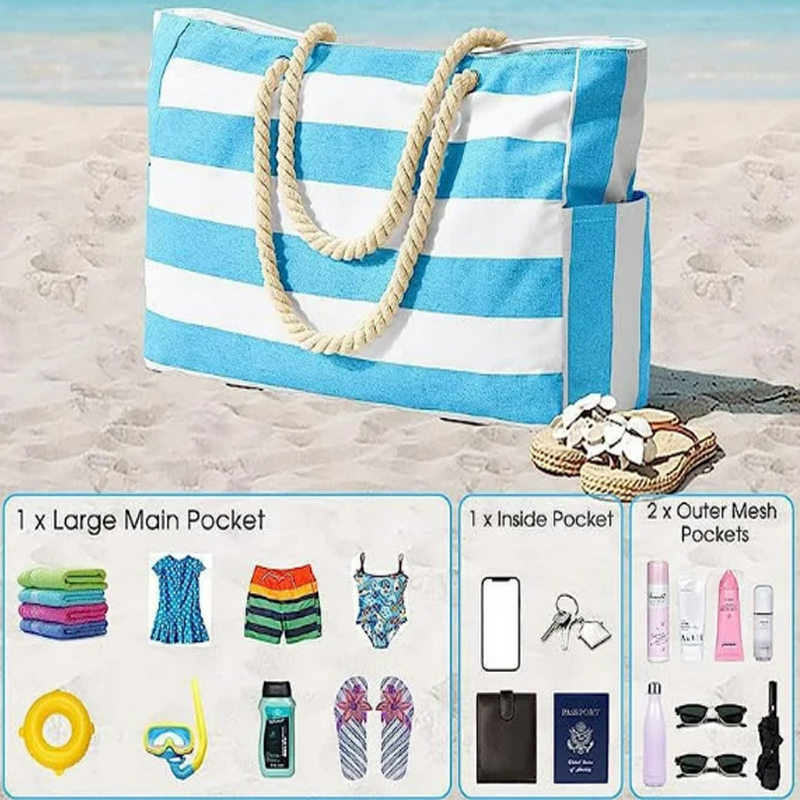
How to Take Safety and Convenience for a Beach Trip
First-Aid Kit (Band-Aids, Antiseptic)
A first-aid kit is important for safety at the beach. It should include items like band-aids and antiseptic wipes. Band-aids can help cover small cuts or scrapes. Antiseptic wipes can clean wounds to prevent infection. For example, a simple first-aid kit can cost around $15 and fit in a beach bag. Having these supplies can help you handle minor injuries quickly.
Ziplock Bags for Wet Items
Ziplock bags are useful for keeping wet items separate. They can hold wet swimsuits or towels after swimming. This keeps your dry items safe from getting wet. For example, a gallon-sized Ziplock bag can easily fit a wet swimsuit. You can also use smaller bags for items like sunscreen or snacks. This way, you can organize your beach bag better.
Cash or Cards for Beachside Purchases
Bringing cash or cards is important for buying food or drinks at the beach. Some beachside shops may not accept cards. It is good to have some cash on hand. For example, carrying $20 to $40 can cover snacks or drinks. This way, you can enjoy treats without worrying about payment issues.
Floatation Devices
Floatation devices are important for safety in the water. They help keep you or your children safe while swimming. Common options include life jackets and inflatable floaties. For example, a U.S. Coast Guard-approved life jacket is a good choice for kids. It ensures they stay afloat. Always check the weight limit on floatation devices to make sure they fit properly.
Personal Identification
Personal identification is necessary for safety. It helps in case of emergencies. Bring a copy of your ID or a driver’s license. You can keep it in a waterproof pouch. For example, if you get separated from your group, having your ID can help authorities assist you. It is always better to be prepared.
What Type of Towel is Best for the Beach?
Size
The size of the towel is important. A larger towel gives more space for drying off. A beach towel should be at least 30 inches by 60 inches. This size is good for lying on the sand or wrapping around the body.
Material
The material of the towel matters. Cotton towels are soft and absorbent. They feel nice against the skin. Microfiber towels are also a good choice. They dry faster than cotton and are lightweight. For example, a microfiber towel can dry in about an hour in the sun.
Absorbency
Absorbency is key for a beach towel. You want a towel that can soak up water well. Look for towels labeled as highly absorbent. These towels can hold several times their weight in water. This means they will dry you off quickly after swimming.
Quick-Drying
Quick-drying towels are useful for the beach. After a swim, a quick-drying towel can be ready to use again in no time. This is especially helpful if you plan to swim multiple times. For example, a quick-drying towel can be dry within 30 minutes in the sun.
Sand Resistance
Sand resistance is a great feature for beach towels. Some towels are designed to repel sand. This means sand won’t stick to them. This makes it easier to shake off sand before packing up. Look for towels made with special materials for this purpose.
Color and Design
The color and design of the towel can add fun. Bright colors and patterns make towels easy to spot on the beach. Fun designs can make kids excited to use them. Choose a towel that reflects your personal style. This can make your beach trip more enjoyable.
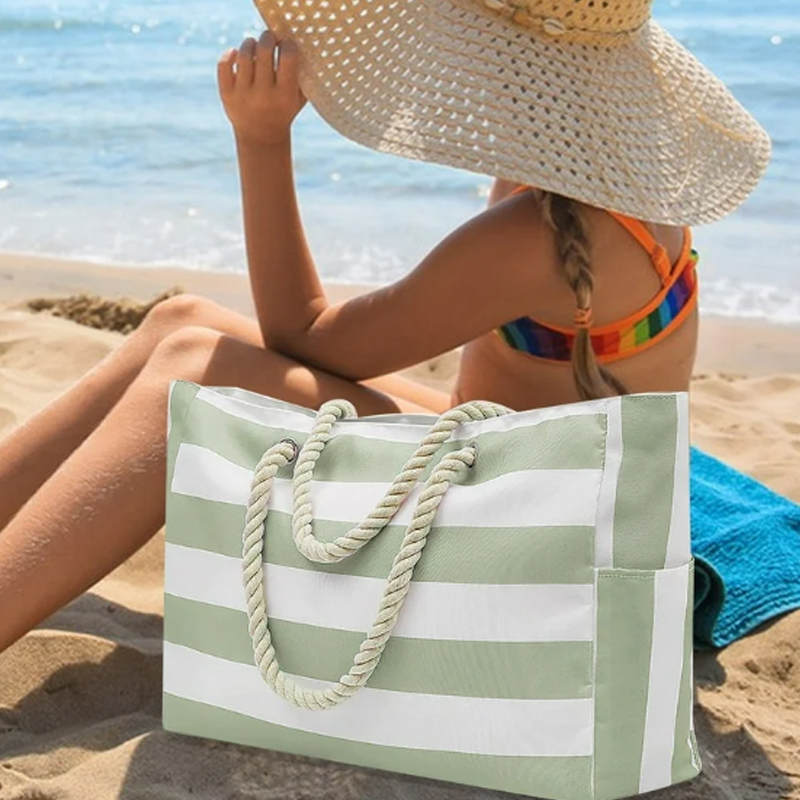
How Can I Keep My Belongings Safe at the Beach?
Use a Waterproof Bag
A waterproof bag is important for protecting your items. Choose a bag that can keep water out. Look for bags made from durable materials. For example, a good waterproof bag can cost around $20 to $50. This bag can hold your phone, wallet, and keys safely.
Keep Valuables with You
Always keep valuables close. Do not leave phones, wallets, or jewelry unattended. Use a small pouch or a fanny pack. This way, you can carry your important items while swimming or playing. For example, a fanny pack can hold your phone and cash while you enjoy the beach.
Use a Lock
Using a lock can help secure your belongings. If you have a beach umbrella or a chair, use a lock on them. This can deter theft. A simple combination lock costs about $10. It can keep your items safe while you are away.
Find a Safe Spot
Choose a safe spot for your things. Look for a location near lifeguards or crowded areas. These spots have more people around. This can help protect your belongings from theft. Avoid leaving items far from your sight.
Buddy System
Use the buddy system when at the beach. Have a friend watch your stuff while you swim. Take turns watching each other’s items. This way, someone is always keeping an eye on your belongings. It makes it harder for thieves to take your things.
Use a Beach Safe
A beach safe is a small, portable safe. It can hold your valuables securely. Many beach safes are water-resistant and can be locked. You can attach them to a fixed object, like a beach chair. For example, a beach safe can cost around $30. It keeps your items safe while you enjoy the water.
Cover Your Items
Cover your items with a towel or blanket. This can help hide them from view. If thieves cannot see your belongings, they are less likely to take them. Make sure to cover everything well.
Set Up a Meeting Point
Set up a meeting point with your group. If you are separated, you can find each other easily. Choose a clear landmark, like a tall umbrella or a specific lifeguard tower. This helps everyone stay together and keeps an eye on belongings.
What Games Can I Play at the Beach?
Beach Volleyball
Beach volleyball is a fun game for groups. You need a net and a ball. Many beaches have nets set up. If not, you can bring a portable net. A volleyball costs about $15 to $30. This game is great for exercising and having fun with friends.
Frisbee
Frisbee is an easy game to play at the beach. You only need a frisbee. You can throw it back and forth with friends. A standard frisbee costs around $10. This game is great for all ages and helps improve hand-eye coordination.
Sandcastle Building
Building sandcastles is a creative activity. You only need sand and water. Use buckets and shovels for better shapes. Many kids enjoy this game. You can even have contests to see who builds the best castle. This activity encourages teamwork and imagination.
Beach Soccer
Beach soccer is another exciting game. You need a soccer ball and some space. You can play with just a few friends or a larger group. A good soccer ball costs about $20. This game is great for running and teamwork.
Paddle Ball
Paddle ball is a simple game for two players. You need paddles and a ball. The goal is to keep the ball in the air. A paddle ball set costs around $15. This game is easy to learn and can be played anywhere on the beach.
Cornhole
Cornhole is a popular game for beach gatherings. You need a cornhole set with boards and bags. Players take turns throwing bags at the boards. A basic cornhole set costs about $50. This game is fun and can be played by people of all ages.
Beach Treasure Hunt
A beach treasure hunt is an exciting game for kids. You can hide small items in the sand. Give clues or a map to find them. This game encourages exploration and teamwork. It can be done with items like shells or small toys.
Water Balloon Toss
A water balloon toss is a fun way to cool off. Fill balloons with water and pair up with a friend. Start close together and toss the balloon back and forth. Each time you catch it, take a step back. This game is enjoyable and can lead to laughter when balloons break. A pack of water balloons costs about $5.
What Are Some Tips for a Family Beach Outing?
Plan Ahead
Planning ahead is important for a successful beach day. Check the weather before you go. A sunny day is best for the beach. Bring a map of the area if you are visiting a new beach. This helps you find facilities like restrooms and food stands.
Arrive Early
Arriving early can help you find a good spot. Popular beaches can fill up quickly. Aim to get there by 9 AM. This gives you a chance to set up your area before it gets crowded. You can enjoy the morning sun and cooler temperatures.
Pack Essentials
Packing the right items is key. Bring sunscreen with at least SPF 30. Apply it often, especially after swimming. Pack enough water to keep everyone hydrated. Aim for at least 16 ounces of water per person every hour. Don’t forget snacks like fruit or granola bars for energy.
Bring Shade
Bringing shade is important for comfort. Use a beach umbrella or a pop-up tent. A good beach umbrella should be at least 7 feet wide. This provides plenty of shade for the family. It helps protect against sunburn and keeps you cool.
Keep an Eye on Kids
Keeping an eye on kids is crucial. Designate a safe area for them to play. Make sure they understand the boundaries. Have an adult watch them while they swim. This ensures their safety in the water.
Use a Beach Cart
Using a beach cart can make carrying items easier. A cart can hold chairs, coolers, and toys. Look for a cart with large wheels for sand. This makes it easier to pull over the sand. A good beach cart costs around $50.
Set Up a Meeting Point
Setting up a meeting point is smart. Choose a landmark like a tall umbrella or a lifeguard tower. This helps everyone find each other if you get separated. Make sure all family members know the meeting point.
Plan Activities
Planning activities can keep everyone entertained. Bring beach toys like buckets and shovels for kids. Consider games like frisbee or beach volleyball. These activities encourage family bonding and fun. You can also plan a picnic during the day.
Clean Up Afterward
Cleaning up after your beach day is important. Bring trash bags to collect your waste. Make sure to leave the beach as you found it. This helps keep the beach clean for others. It teaches kids the importance of caring for the environment.
Conclusion
Essential items for a beach trip include sunscreen, water, snacks, and shade. Pack these items in a beach bag or cart to keep things organized. Use small containers for snacks to save space. Customize your packing based on your family’s needs. Bring extra towels or toys if needed. Enjoy your time at the beach. Relax and have fun with family and friends.
If you like it, Share :
Read other blog posts