Anatomy of a Handbag: A Guide to Bag Types, Purse Hardware & More
- By Lesondi
- Updated:
Have you ever wondered what truly defines a handbag? Is it the style, the material, or the intricate details that make it unique? As you delve into the world of handbags, you may find yourself asking: What makes one bag stand out from another? How do the various components contribute to its overall functionality and appeal? This guide will take you on a journey through the anatomy of handbags, exploring the myriad types, essential purse hardware, and the artistry behind each piece.
Understanding the anatomy of a handbag is crucial for anyone looking to make informed choices in today’s fashion landscape. With countless options available, consumers often rely on clear, comprehensive information to navigate their decisions. This guide not only serves as a resource for identifying various handbag styles but also highlights the importance of high-quality materials and skilled craftsmanship. By understanding these elements, readers can appreciate the value of their investment and make choices that align with their personal style and practical needs.
As you embark on this exploration of handbags, remember that each bag tells a story—one of design, function, and individuality. Whether you are a seasoned collector or a casual shopper, this guide aims to enrich your understanding and appreciation of handbags. By the end, you’ll see every stitch, clasp, and silhouette not just as parts of a bag, but as pieces of an art form. Welcome to the fascinating world of handbag anatomy.
Table of Contents
Handbags are more than just accessories. They have different parts that work together to create a useful item. Each part of a handbag plays a role in how it looks and how well it works. For example, the material can affect both style and durability. A handbag made from leather often lasts longer than one made from fabric.
Handbags have many parts. The parts include the body, straps, hardware, and lining. Each part has a purpose. For example, straps carry the weight. Hardware includes zippers and clasps. The lining protects the inside.
Understanding handbag anatomy helps buyers make better choices. When people know the parts of a handbag, they can pick one that fits their needs. For instance, a handbag with sturdy hardware can hold more weight. A bag with a well-designed strap can be more comfortable to carry. Knowing these details helps shoppers choose wisely.
This guide explains all the parts of a handbag. It covers different types of bags. It also explains the materials and hardware used. This information helps you buy, use, and care for handbags the right way.

How many types of Handbags?
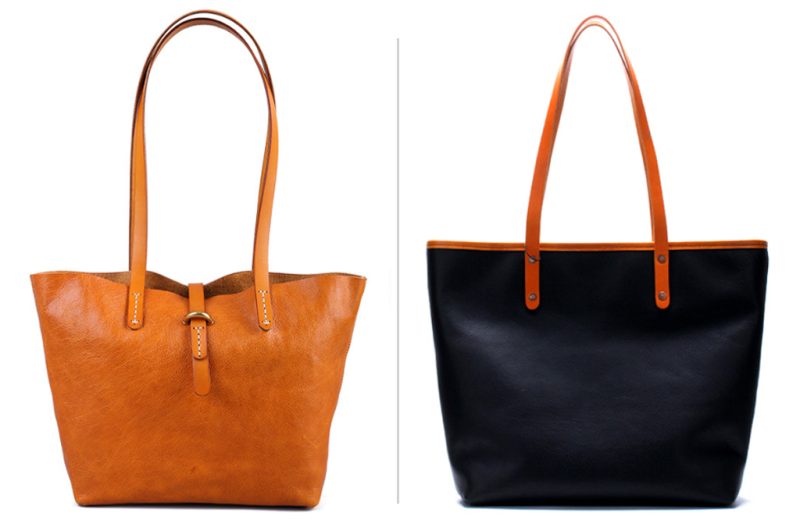
1. Tote Bag
Design Principles of Bags
Tote bags focus on simple carrying. The design must hold many items. The bag needs strong handles. The handles must not break. The opening stays wide. The wide opening makes loading easy. The base stays flat. The flat base helps the bag stand. Some totes add side gussets. The gussets create more space. Many include interior pockets. The pockets organize small items. Most use lightweight materials. Light materials reduce shoulder strain. Some designs add top zippers. The zippers keep items secure.
Main Features
Standard tote dimensions maintain 15″H × 12″W × 6″D proportions with ±5% manufacturing variance. The primary carrying system consists of two 1″-wide handles with 22lb tensile strength ratings, attached via 10mm diameter welded steel rings.
- Base construction features either:
– 4-point box-stitched leather corners with 7 SPI (stitches per inch)
– Heat-sealed nylon seams with 3mm overlap binding
Capacity metrics demonstrate 25L volume in standard models, expandable to 30L through side pleats. Weight empty ranges from 1.2lbs (nylon) to 2.5lbs (full-grain leather).
- Interior organization includes:
– 1 water-resistant zip pocket (6″×4″) with 0.5mm PVC coating
– 2 open-top slip pockets (5″×3.5″)
– 1 key fob with 6″ retractable leash - Exterior features may incorporate:
– 2 side pockets with elasticated tops (4″ deep)
– 1 rear zip compartment (7″×5″)
– 4 protective metal feet (12mm diameter)
Best Use Cases
– Grocery shopping (holds 4-5 bags)
– Beach trips (fits towel, sunscreen, book)
– Work (carries laptop, files)
– Library (holds multiple books)
Advantages
– Holds many items
-Easy to clean
-Folds flat for storage
-Affordable price range
Disadvantages
– No secure closure
– Straps dig into shoulders
– Loses shape over time
Material specifications break down as:
-Canvas variants: 18oz weight, 98×54 thread count, pre-shrunk
-Leather variants: 1.2-1.4mm thickness, 0.8mm temper
-Nylon variants: 600D density with PU coating
Hardware components include:
-Zinc alloy snap hooks (50lb capacity)
-Anti-tarnish brass zipper pulls
-3mm thick acrylic edge coating on leather models
– Metal rings (10mm diameter)
– Zippers (YKK #5 nylon coil)
– Plastic sliders (adjustable straps)
– Metal feet (12mm diameter)
2. Satchel Bag
Design Principles of Bags
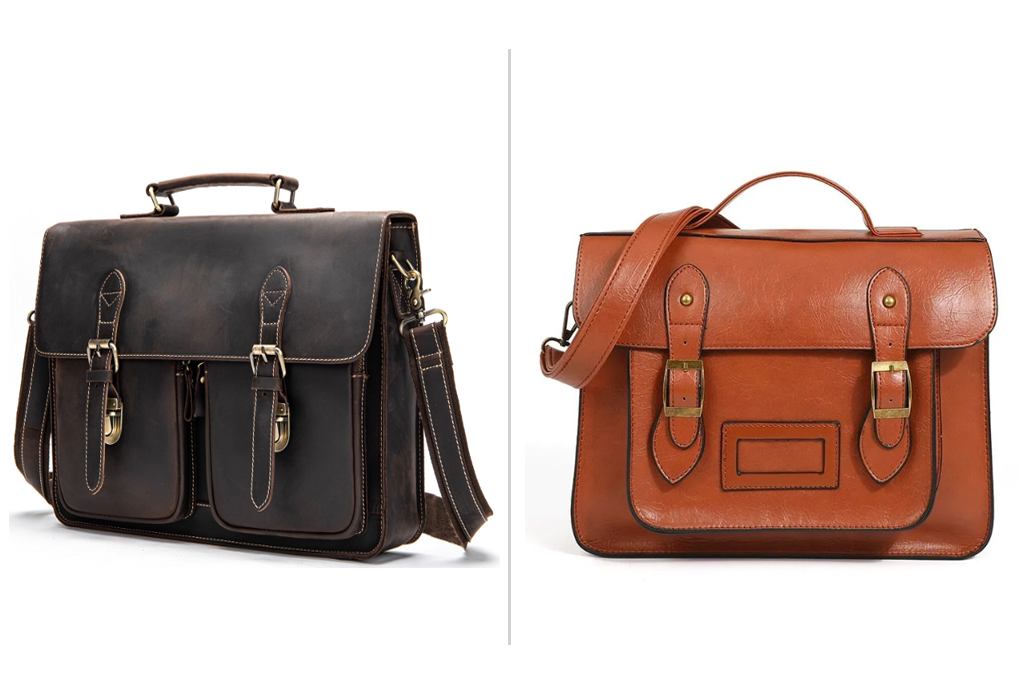
Satchel bags focus on organization and style. The design must provide structure. The bag needs a flap to cover the opening. This flap helps keep items secure. The bag should have a comfortable shoulder strap. The strap must support the bag’s weight. The design often includes multiple compartments. These compartments help organize items like pens and notebooks.
The bag’s shape is usually rectangular or square. This shape makes it easy to stack and store items. The base should be flat. A flat base helps the bag stand upright. Some satchels add side pockets. These pockets offer extra storage for small items. Many designs use durable materials. Strong materials ensure the bag lasts longer. Some satchels include magnetic snaps or buckles. These closures add style and security.
Main Features
Standard satchel dimensions are typically 12″H × 16″W × 5″D. There can be a ±5% manufacturing variance. The primary carrying system consists of one long shoulder strap. This strap is usually adjustable for comfort. The strap has a tensile strength rating of 30lb.
- Base construction features include:
– 4-point box stitching for durability.
– Reinforced corners with 7 SPI (stitches per inch).
Capacity metrics show that standard models have a volume of 20L. The weight of the empty bag ranges from 1.5lbs (canvas) to 3lbs (full-grain leather).
- Interior organization includes:
– 1 padded laptop compartment (15″×10″).
– 2 open-top slip pockets (6″×4″).
– 1 zip pocket (8″×5″) for small items. - Exterior features may incorporate:
– 1 front flap pocket (7″×5″) with magnetic closure.
– 2 side pockets (5″ deep) for water bottles.
– 4 protective metal feet (12mm diameter) to prevent wear.
Best Use Cases
– Work: Carries laptops, documents, and stationery.
– School: Holds books, binders, and writing tools.
– Travel: Fits essentials for day trips or weekend getaways.
– Meetings: Provides a professional look while carrying important items.
Advantages
-Keeps items secure
-Professional appearance
-Durable construction
-Organized interior
Disadvantages
– Heavy when empty
– Requires regular maintenance
– Straps dig into shoulders
– Limited weather resistance
Material specifications break down as:
– Canvas Variants: 16oz weight, 100×60 thread count, pre-shrunk.
– Leather Variants: 1.4-1.6mm thickness, full-grain quality.
– Nylon Variants: 600D density with water-resistant coating.
Hardware Components Include:
– Zinc alloy snap hooks: 60lb capacity for secure attachment.
– Anti-tarnish brass zipper pulls: Durable and stylish.
– Metal rings: 12mm diameter for strap attachment.
– Plastic sliders: Adjustable for strap length.
– Metal feet: 12mm diameter to protect the bag’s base.
3. Clutch Bag
Design Principles of Bags
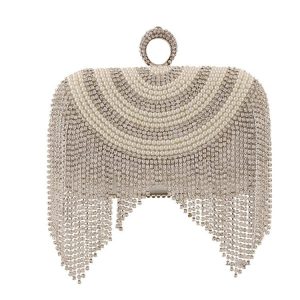
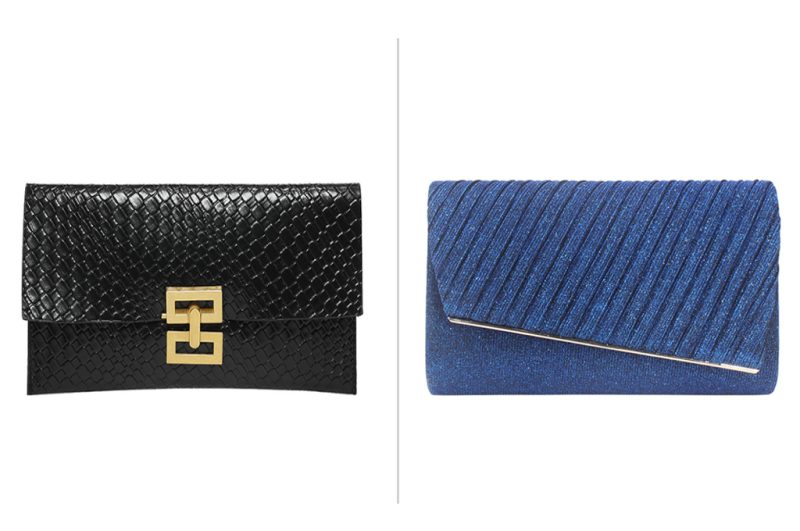
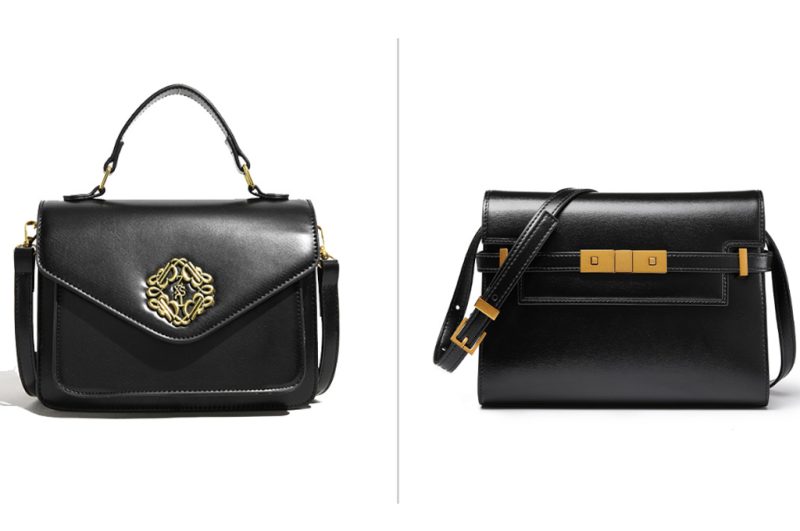
Clutch bags focus on elegance and simplicity. The design must be compact and stylish. Clutches do not have handles or straps. This feature makes them easy to carry in hand. The bag typically has a secure closure, such as a snap or zipper. This keeps items safe while on the go.
The shape of a clutch is often rectangular or square. This shape allows for easy storage of essentials like a phone, wallet, and makeup. The bag’s size is usually small, making it lightweight and convenient. Many clutches have a flat profile. This design helps them fit easily into larger bags or under the arm.
Some clutches include decorative elements. These can be beads, sequins, or embroidery. Such features add a touch of glamour. Many clutches use materials like satin, leather, or faux leather. These materials enhance the bag’s appearance and feel. Overall, clutch bags are designed for special occasions. They combine style with functionality, making them popular for events like parties and weddings.
Main Features
Standard clutch dimensions are generally around 8″H × 12″W × 2″D. There may be a ±5% manufacturing variance. The primary carrying system is the hand-held design. Some clutches may include a detachable wrist strap for convenience.
- Base construction features may include:
– Reinforced seams for durability.
– Lined interiors to protect contents.
Capacity metrics show that standard models can hold essential items. The weight of an empty clutch usually ranges from 0.5lbs (fabric) to 1.5lbs (leather).
- Interior organization includes:
– 1 main compartment (7″×11″) for larger items.
– 1 small zip pocket (5″×4″) for cards or cash.
– 2 open-top slip pockets (3″×4″) for quick access items. - Exterior features may incorporate:
– Decorative clasp or magnetic closure for style and security.
– 1 back pocket (6″×4″) for easy access to items like phones.
– Embellishments such as rhinestones or embroidery for added flair.
Best Use Cases
– Evening Events: Perfect for parties, weddings, or formal dinners.
– Date Nights: Holds essentials while adding a stylish touch.
– Special Occasions: Ideal for proms, galas, or other celebrations.
– Travel: Compact enough to fit in a larger bag while providing easy access to important items.
Advantages
-Elegant appearance
-Lightweight carry
-Secure closure options
-Fits small essentials
Disadvantages
– Very limited capacity
– Must hold constantly
– Easy to misplace
– Delicate materials
Material specifications break down as:
– Satin Variants: Soft texture, often used for evening clutches; typically 100% polyester.
– Leather Variants: 1.0-1.2mm thickness for a luxurious feel; full-grain or faux leather options.
– Fabric Variants: Lightweight cotton or linen blends; often used for casual clutches.
Hardware Components Include:
– Decorative elements: Rhinestones, beads, or embroidery for added style.
– Metal rings: For attaching wrist straps if included.
– Magnetic snaps (10mm diameter)
– Chain straps (1.5mm link size)
– Zipper pulls (5mm diameter)
– Metal logo plates (15×10mm)
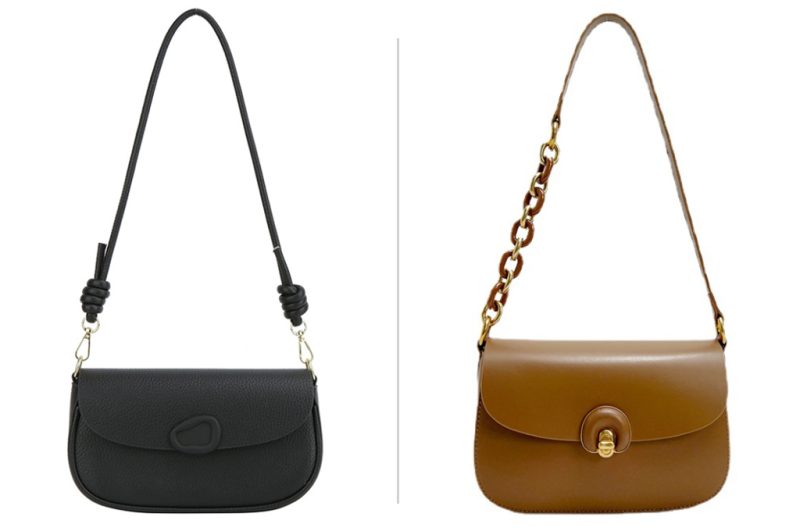
4. Crossbody Bag
Design Principles of Bags
Crossbody bags focus on convenience and accessibility. The design must allow for hands-free carrying. This feature makes them ideal for active lifestyles. The bag typically has a long, adjustable strap that crosses over the body. This strap distributes weight evenly, reducing strain on one shoulder.
The shape of a crossbody bag is often rectangular or curved. This design allows for a compact size while providing enough space for essentials. The opening is usually secured with a zipper or flap, keeping items safe. Many crossbody bags include multiple compartments. These compartments help organize items like phones, wallets, and keys.
Materials used for crossbody bags vary widely. Common choices include nylon, canvas, and leather. These materials provide durability and style. Some designs incorporate waterproof features, making them suitable for various weather conditions. Overall, crossbody bags are designed for versatility and practicality, making them popular for travel, daily errands, and outdoor activities.
Main Features
Standard crossbody dimensions are typically around 9″H × 12″W × 4″D. There can be a ±5% manufacturing variance. The primary carrying system consists of one adjustable strap, usually 1″-2″ wide, with a tensile strength rating of 25lb.
- Base construction features may include:
– Reinforced stitching for added durability.
– Padded sections for extra protection of contents.
Capacity metrics demonstrate that standard models have a volume of approximately 10-15L. The weight of the empty bag typically ranges from 0.8lbs (nylon) to 2.0lbs (leather).
- Interior organization includes:
– 1 main compartment (8″×11″) for larger items.
– 1 zip pocket (6″×5″) for securing valuables.
– 2 open-top slip pockets (4″×4″) for quick access items. - Exterior features may incorporate:
– 1 front zip pocket (7″×5″) for easy access to essentials.
– 1 rear slip pocket (6″×4″) for items like phones or tickets.
– Adjustable strap lengths to accommodate different carrying styles.
Best Use Cases
– Travel: Ideal for carrying essentials while exploring new places.
– Daily Commute: Perfect for holding items needed for work or school.
– Outdoor Activities: Great for hiking, festivals, or sightseeing.
– Shopping: Keeps hands free for carrying items while having essentials easily accessible.
Advantages
-Keeps hands free
– Even weight distribution
-Secure against theft
-Comfortable for all-day wear
Disadvantages
– Limited space for bulk items
– Can bounce when walking fast
– Straps wear over time
– Hard to access while wearing
Material specifications break down as:
– Nylon Variants: 600D density with water-resistant coating for durability and ease of cleaning.
– Canvas Variants: 12oz weight, sturdy and lightweight, often pre-shrunk.
– Leather Variants: 1.2-1.4mm thickness for a premium look and feel.
Hardware Components Include:
– Adjustable buckles: For customizing strap length.
– Zippers: High-quality nylon or metal zippers for secure closures.
– Metal rings: For attaching the strap securely to the bag.
-Plastic sliders: Allow for easy strap adjustment and length customization.
– Metal D-rings (for attachments)
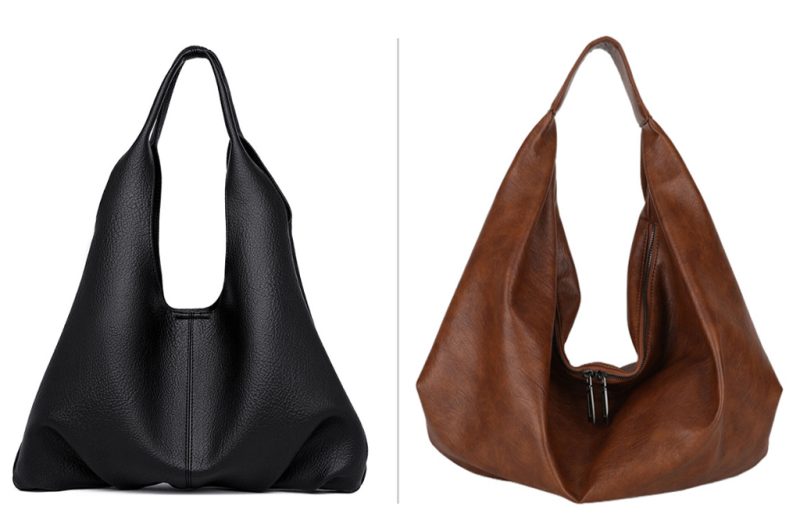
5. Hobo Bag
Design Principles of Bags
Hobo bags focus on casual comfort. The shape must be slouchy. The design follows a crescent curve. The curve fits against the body. The opening stays wide. The wide opening measures 12-14 inches. The base stays rounded.
The strap must be comfortable. The strap drops 10-12 inches. The width stays 1 inch. The strap connects to side rings. The rings are 15mm in diameter. The bag needs no structure. The lack of structure creates softness.
The interior should be accessible. Many have one main compartment. Some add small pockets. Materials used for hobo bags vary widely, including leather, canvas, and synthetic fabrics. Some designs incorporate decorative elements, such as tassels, stitching, or prints, which enhance the bag’s visual appeal.
Main Features
Standard hobo bag dimensions are typically around 12″H × 16″W × 5″D, with a ±5% manufacturing variance. The primary carrying system consists of one long strap, usually 1.5″-2″ wide, with a tensile strength rating of 30lb.
- Base construction features may include:
– Soft, unstructured bottom for a relaxed shape.
– Reinforced stitching at stress points for added durability.
Capacity metrics show that standard models have a volume of approximately 15-20L. The weight of the empty bag typically ranges from 1.0lbs (canvas) to 2.5lbs (full-grain leather).
- Interior organization includes:
– 1 large main compartment (11″×15″) for larger items.
– 1 zip pocket (7″×5″) for securing valuables.
– 2 open-top slip pockets (5″×4″) for quick access items like phones or keys. - Exterior features may incorporate:
– 1 front slip pocket (6″×4″) for easy access to essentials.
– Decorative elements such as fringe or embroidery for added style.
– A soft, slouchy design that conforms to the body when worn.
Best Use Cases
– Casual Outings: Perfect for day trips, brunches, or shopping.
– Work: Holds essential items like laptops, notebooks, and personal belongings.
– Travel: Ideal for carrying essentials while exploring new places.
– Everyday Use: Suitable for errands and daily activities due to its spaciousness.
Advantages
-Molds to the body comfortably
-Fits more than it appears
-Lightweight construction
-Easy to pack quickly
Disadvantages
– Loses shape easily
– Hard to find items inside
– No weather protection
– Straps stretch over time
Material specifications break down as:
– Leather Variants: 1.2-1.4mm thickness for a luxurious feel; often full-grain or soft suede.
– Canvas Variants: 12oz weight, durable and lightweight, often pre-shrunk for stability.
– Synthetic Fabrics: Water-resistant materials for ease of cleaning and maintenance.
Hardware Components Include:
– Magnetic closures: For easy access while keeping items secure.
– Zippers: High-quality nylon or metal zippers for durability.
– Metal rings: For attaching the strap securely to the bag.
– Decorative hardware: Such as studs or buckles to enhance the bag’s aesthetic appeal.
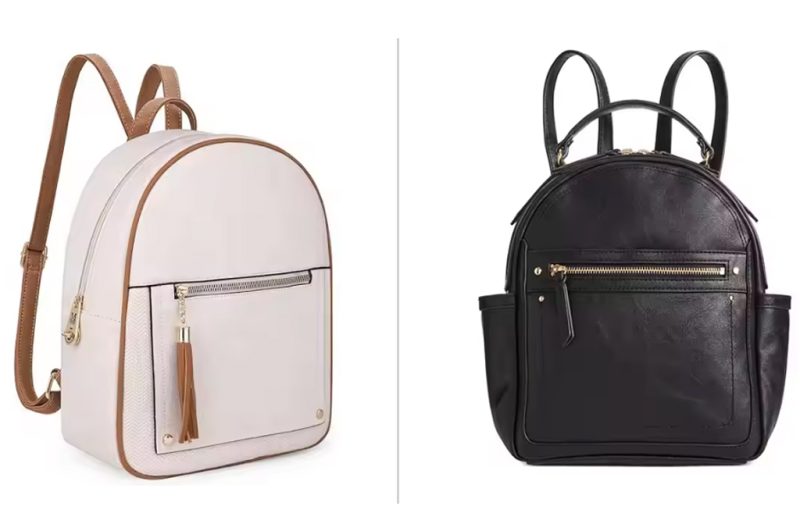
6. Backpack
Design Principles of Bags
Backpacks focus on weight distribution. The design must balance load. Two shoulder straps are essential. The straps must be padded. The padding measures 1/2 inch thick. The back panel needs ventilation. The ventilation uses mesh fabric. The mesh has 3mm holes.
The main compartment must be spacious. The height ranges 16-20 inches. The width stays 12-14 inches. Multiple pockets organize items. The pockets have specific sizes. A laptop sleeve is necessary. The sleeve fits 15-inch devices. The sleeve has 5mm padding.
Materials used for backpacks vary widely, including nylon, polyester, canvas, and leather. These materials provide durability, water resistance, and style. Some designs incorporate padded sections for laptops or tablets, enhancing their functionality. Overall, backpacks are designed for versatility, making them popular for students, travelers, and outdoor enthusiasts.
Main Features
Standard backpack dimensions are typically around 18″H × 12″W × 6″D, with a ±5% manufacturing variance. The primary carrying system consists of two adjustable shoulder straps, usually 1″-2″ wide, with a tensile strength rating of 50lb.
- Base construction features may include:
– Padded back panel for comfort and support.
– Reinforced stitching at stress points for added durability.
Capacity metrics show that standard models have a volume of approximately 20-30L. The weight of the empty bag typically ranges from 1.0lbs (nylon) to 3.0lbs (leather).
- Interior organization includes:
– 1 main compartment (17″×11″) for larger items like books or clothing.
– 1 padded laptop compartment (15″×10″) for securing electronic devices.
– 2 open-top slip pockets (6″×4″) for quick access items like phones or snacks. - Exterior features may incorporate:
– 1 front zip pocket (8″×6″) for easy access to essentials.
– 2 side mesh pockets (5″ deep) for water bottles or small items.
– Reflective strips for visibility in low-light conditions.
Best Use Cases
– School: Ideal for carrying textbooks, notebooks, and supplies.
– Travel: Perfect for holding essentials while exploring new destinations.
– Hiking: Suitable for day hikes or camping trips, providing ample storage.
– Work: Great for transporting laptops, documents, and personal items.
Advantages
-Even weight distribution
-Hands-free carrying
-Multiple organization options
-Durable construction
Disadvantages
– Must remove to access
– Can cause back sweat
– Bulky when full
– Straps require adjustment
Material specifications break down as:
– Nylon Variants: 600D density with water-resistant coating for durability and ease of cleaning.
– Polyester Variants: 900D density, often lightweight and resistant to wear and tear.
– Canvas Variants: 12oz weight, sturdy and stylish, often pre-shrunk for stability.
Hardware Components Include:
– Zippers: High-quality nylon or metal zippers for secure closures.
– Metal or plastic buckles: For strap adjustments and securing compartments.
– Padded back panel: Provides comfort and support during wear.
– Aluminum sternum slider
– Plastic bottom feet
– Webbing loops
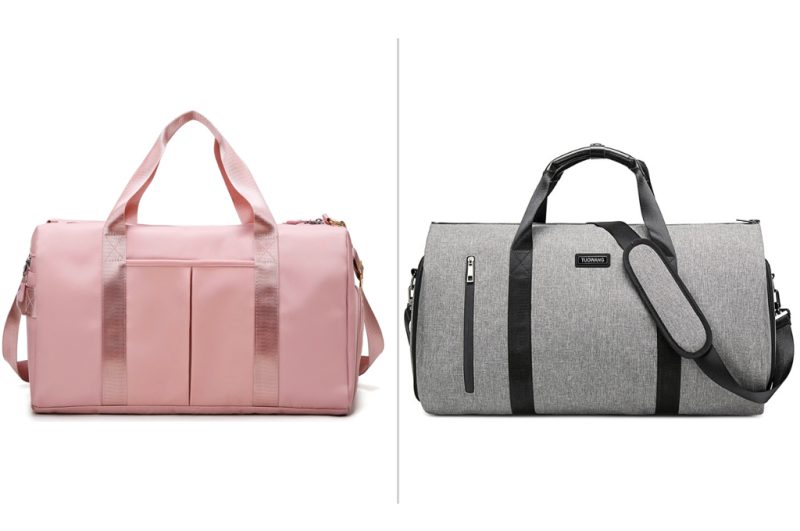
7. Duffel Bag
Design Principles of Bags
Duffel bags focus on maximum capacity. The design must hold bulky items. The shape stays cylindrical. The cylinder measures 24 inches long. The opening needs wide access. The opening uses a U-shaped zipper. The zipper runs 3/4 of the length.
Handles must support heavy loads. Two top handles are standard. The handles use nylon webbing. The webbing is 2 inches wide. Some add a shoulder strap. The strap adjusts from 20-50 inches. The strap has a padded section. The padding is 1 inch thick.
Materials used for duffel bags vary widely, including canvas, nylon, polyester, and leather. These materials provide durability, water resistance, and style.
Main Features
Standard duffel bag dimensions are typically around 10″H × 20″W × 10″D, with a ±5% manufacturing variance. The primary carrying system consists of two top handles and a detachable shoulder strap, usually 1″-2″ wide, with a tensile strength rating of 50lb.
- Base construction features may include:
– Reinforced bottom for added durability and stability.
– Padded sections to protect sensitive items.
Capacity metrics show that standard models have a volume of approximately 30-50L. The weight of the empty bag typically ranges from 1.5lbs (nylon) to 3.5lbs (leather).
- Interior organization includes:
– 1 large main compartment (9″×19″) for clothing and gear.
– 1 zip pocket (8″×6″) for securing valuables.
– 2 mesh pockets (5″×5″) for smaller items like toiletries or accessories. - Exterior features may incorporate:
– 1 front zip pocket (10″×7″) for easy access to essentials.
– 1 side pocket (10″×5″) for water bottles or shoes.
– Reflective strips for visibility in low-light conditions.
Best Use Cases
– Travel: Ideal for weekend getaways or longer trips, providing ample storage for clothing and accessories.
– Gym: Perfect for carrying workout gear, shoes, and personal items.
– Sports: Suitable for transporting sports equipment and apparel.
– Outdoor Activities: Great for camping, hiking, or any adventure requiring extra gear.
Advantages
-Massive carrying capacity
-Easy to pack quickly
-Multiple carry options
-Extremely durable
Disadvantages
– Lacks internal organization
– Bulky when not full
– Straps dig when overloaded
– Hard to store when empty
Material specifications break down as:
– Nylon Variants: 600D density with water-resistant coating for durability and ease of cleaning.
– Polyester Variants: 900D density, lightweight and resistant to wear and tear.
– Canvas Variants: 12oz weight, sturdy and stylish, often pre-shrunk for stability.
– Leather Variants: 1.2-1.4mm thickness for a premium look and feel, often full-grain or soft suede.
Hardware Components Include:
– Zippers: High-quality nylon or metal zippers for secure closures.
– Adjustable shoulder strap: For customizable carrying comfort.
– Metal or plastic buckles: For strap adjustments and securing compartments.
– Padded handles: For comfortable carrying, reducing strain on hands.
– Heavy-duty D-rings (25mm)
– Metal O-rings for straps
– Rubberized corner guards
8. Messenger Bag
Design Principles of Bags
Messenger bags focus on easy access. The design must allow quick opening. The flap covers the main compartment. The flap uses a quick-release buckle. The buckle takes 2 seconds to open.
The shape of a messenger bag is usually rectangular or square, allowing for efficient packing of laptops, documents, and other essentials. The opening is often secured with a flap and buckle or magnetic closure, keeping items secure while providing quick access.
Materials used for messenger bags vary widely, including nylon, canvas, polyester, and leather. These materials provide durability, water resistance, and style. Some designs incorporate padded sections for laptops or tablets, enhancing their functionality.
Main Features
Standard messenger bag dimensions are typically around 12″H × 15″W × 4″D, with a ±5% manufacturing variance. The primary carrying system consists of one adjustable shoulder strap, usually 2″-3″ wide, with a tensile strength rating of 30lb.
- Base construction features may include:
– Padded back panel for comfort and support.
– Reinforced stitching at stress points for added durability.
Capacity metrics show that standard models have a volume of approximately 15-20L. The weight of the empty bag typically ranges from 1.0lbs (nylon) to 2.5lbs (canvas).
- Interior organization includes:
– 1 main compartment (11″×14″) for larger items like laptops or books.
– 1 padded laptop compartment (15″×10″) for securing electronic devices.
– 2 open-top slip pockets (5″×4″) for quick access items like phones or chargers. - Exterior features may incorporate:
– 1 front flap pocket (8″×6″) for easy access to essentials.
– 1 rear zip pocket (10″×5″) for items like tickets or wallets.
– Reflective strips for visibility in low-light conditions.
Best Use Cases
– Commuting: Ideal for carrying laptops, documents, and personal items to work or school.
– Cycling: Perfect for cyclists who need to carry essentials while riding.
– Travel: Suitable for day trips or urban exploration, providing easy access to items.
– Everyday Use: Great for running errands or casual outings due to its spaciousness and organization.
Advantages
-Quick access to items
-Comfortable to wear
-Organized interior
-Professional appearance
Disadvantages
– Uneven shoulder strain
– Can swing when moving
– Limited weather protection
– Bulky when overfilled
Material specifications break down as:
– Nylon Variants: 600D density with water-resistant coating for durability and ease of cleaning.
– Canvas Variants: 12oz weight, sturdy and stylish, often pre-shrunk for stability.
– Polyester Variants: 900D density, lightweight and resistant to wear and tear.
Hardware Components Include:
– Adjustable strap: For customizing fit and comfort.
– Zippers: High-quality nylon or metal zippers for secure closures.
– Metal buckles: For strap adjustments and securing compartments.
– Metal D-rings (15mm diameter)
9. Evening Bag
Design Principles of Bags
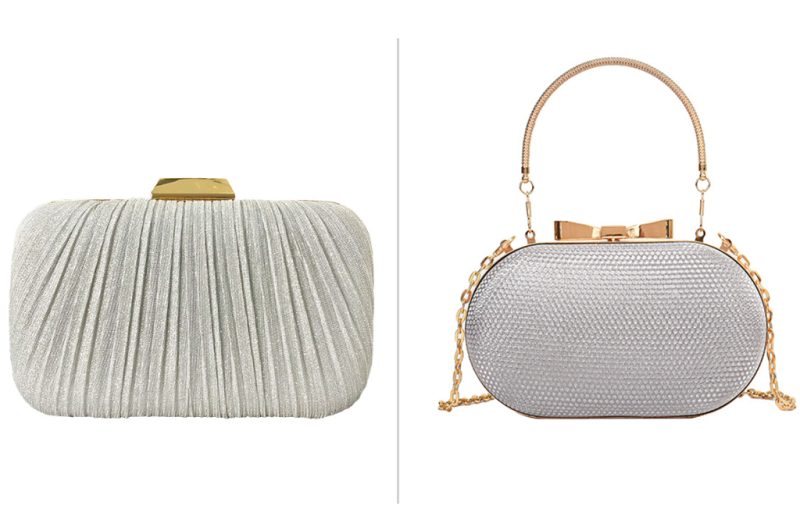
Evening bags focus on elegance. The design must be compact. The size stays small. The length measures 6-8 inches. The height stays 4-5 inches. The depth remains 1-2 inches.
The shape of an evening bag can vary widely, including clutches, small shoulder bags, or crossbody styles. The opening is usually secured with a clasp, snap, or magnetic closure, ensuring that items are kept safe while allowing for easy access. Many evening bags are designed to be lightweight and easy to carry, making them ideal for events where mobility and style are essential.
Materials used for evening bags often include satin, silk, leather, and embellished fabrics. These materials provide a luxurious look and feel, often enhanced with sequins, beads, or metallic finishes.
Main Features
Standard evening bag dimensions are typically around 6″H × 10″W × 2″D, with a ±5% manufacturing variance. The primary carrying system may include a detachable chain or strap, usually 0.5″-1″ wide, with a tensile strength rating of 10-15lb.
- Base construction features may include:
– Soft, structured bottom for a polished appearance.
– Reinforced stitching at stress points to enhance durability.
Capacity metrics show that standard models have a volume of approximately 2-5L. The weight of the empty bag typically ranges from 0.5lbs (satin) to 1.5lbs (leather).
- Interior organization includes:
– 1 main compartment (5″×9″) for essentials like wallets, phones, and makeup.
– 1 small zip pocket (4″×3″) for securing valuables like keys or cards. - Exterior features may incorporate:
– Decorative elements such as beading, sequins, or embroidery for added style.
– 1 front flap or clasp for easy access to the main compartment.
– A detachable chain strap for versatility in carrying options.
Best Use Cases
– Weddings: Perfect for carrying essentials while complementing formal attire.
– Parties: Ideal for social gatherings, cocktail parties, or galas.
– Formal Events: Suitable for black-tie events, award ceremonies, or upscale dinners.
– Date Nights: Great for adding a stylish touch to evening outings.
Advantages
– Elevates formal outfits
– Lightweight construction
– Secure for valuables
– Complements evening wear
Disadvantages
– Extremely limited capacity
– Delicate materials
– High cost per ounce
– Requires careful storage
Material specifications break down as:
– Satin Variants: Soft, luxurious feel, often used for a classic evening look.
– Silk Variants: High-end appearance with a natural sheen, typically more delicate.
– Leather Variants: Durable and stylish, often featuring embellishments for added flair.
– Embellished Fabrics: May include sequins, beads, or metallic threads for a glamorous touch.
Hardware Components Include:
– Clasp or snap closures: For secure and easy access to the main compartment.
– Chain straps: For versatility in carrying and added elegance.
– Decorative hardware: Such as embellishments or unique clasps to enhance style.
Purse Hardware: Essential Components
Zippers
Zippers are important for closing bags. They help keep items secure inside. Most zippers in purses are made of metal or plastic. For example, a common zipper size for purses is #5, which is about 5mm wide. Metal zippers are strong and durable. They last longer than plastic zippers. Plastic zippers are lighter and cheaper. Both types come in various colors to match the bag.
Clasps
Clasps are used to keep the bag closed. They can be simple or decorative. A common type of clasp is the snap clasp. This type is easy to use. You press it to open and close. Some purses use magnetic clasps. These clasps have magnets inside. They are also easy to use. For example, a small magnetic clasp might hold a flap closed on a clutch bag.
Buckles
Buckles are used to adjust straps. They help make the bag more comfortable to carry. Many purses have adjustable shoulder straps with buckles. A common buckle size is about 1 inch wide. This size fits most straps well. Some buckles are made of metal, while others are plastic. Metal buckles are stronger, while plastic buckles are lighter.
Rings
Rings are often found on the sides of bags. They are used to attach straps or chains. Rings can be round or oval. They can be made of metal or plastic. For example, a metal D-ring is commonly used to attach a shoulder strap. This type of ring is strong and durable. It can hold a lot of weight without breaking.
Chains
Chains are used for carrying bags or adding style. Some evening bags have chain straps. These chains can be made of metal. They can also be coated in gold or silver for a shiny look. A common chain length for a shoulder bag is about 20-25 inches. This length allows the bag to hang comfortably at the side. Chains can also be used as decoration on the bag itself.
Locks
Locks are used for security. They keep the contents of the bag safe. Some purses have small locks that require a key. Others use combination locks. For example, a small lock might be found on a designer handbag. This lock adds a layer of security and style. Locks can be made of metal for strength.
| Bag Hardware Types Comparison | |||||
| Type | Metal Material | Plastic Material | Weight | Cost Range | Best For |
| 1. Zippers | Brass, Aluminum | Nylon, POM | 5g – 20g | $0.50 – $15 | Backpacks , Duffels , Totes |
| 2. Clasps | Gold-plated, Zinc | ABS | 2g – 15g | $1 – $40 | Evening Bags, Clutches, Satchels |
| 3. Buckles | Stainless Steel | Nylon 6/6 | 10g – 50g | $0.80 – $25 | Messenger Bags, Hobo Bags, Backpacks |
| 4. Rings | Brass, Antique Nickel | Polycarbonate | 3g – 12g | $0.30 – $8 | Totes, Crossbody Bags, Hobo Bags |
| 5. Chains | Gold-plated, Rhodium | – | 30g – 200g | $3 – $200+ | Evening Bags, Crossbody Bags, Satchels |
| 6. Locks | Stainless Steel | – | 15g – 100g | $4 – $150 | Messenger Bags, Backpacks, Duffels |
Materials Used in Hardware
1. Metal
Brass
Brass is a popular choice for purse hardware. It is an alloy made of copper and zinc. Brass resists tarnishing and maintains its shine over time. For example, brass hardware can last for years without showing significant wear. Many high-end purses use brass for zippers and clasps. The composition of brass usually contains about 60% copper and 40% zinc, giving it strength and a warm color.
– Composition: 65% copper, 35% zinc
– Thickness: 0.5mm minimum for hardware
– Finish options: Polished, brushed, antique
– Tarnish resistance: Lasts 2-3 years untreated
– Common uses: Zipper pulls, buckles, rings
Zinc Alloy
Zinc alloy is another common material. It is made from zinc and other metals like aluminum or copper. Zinc alloy is affordable, making it a favorite for budget-friendly bags. It is also corrosion-resistant. For example, many inexpensive purses use zinc alloy buckles and rings. The alloy is often used in small components, such as clasps, because it is easy to mold into different shapes.
– Composition: Zinc base with aluminum/copper
– Weight: 30% lighter than brass
– Cost: $1.50-$3.00 per pound
– Strength: 30,000 psi tensile strength
– Common uses: Budget-friendly clasps, logos
Stainless Steel
Stainless steel is known for its durability. It contains iron, carbon, and chromium. This combination prevents rust and corrosion. Many luxury purses use stainless steel for zippers and chain straps. For instance, a stainless steel zipper can withstand heavy use and exposure to moisture. Stainless steel hardware is often polished to a shiny finish, enhancing the bag’s overall look.
– Grades: 304 (standard), 316 (marine)
– Rust proof: Withstands saltwater exposure
– Weight: 0.29 lbs per cubic inch
– Cost: 40% more than brass
– Common uses: High-end bag chains, locks
Aluminum
Aluminum is lightweight and strong. It is often used in bags that need to be easy to carry. Aluminum hardware is resistant to corrosion and can be finished in various colors. For example, aluminum rings and buckles can weigh less than half of their brass counterparts. This makes aluminum a great choice for sporty or travel bags where weight is a concern.
– Weight: 1/3 of steel weight
– Anodizing: Available in 20+ colors
– Strength: 10,000 psi yield strength
– Cost: $2.00-$4.00 per pound
– Common uses: Lightweight frame hardware
2. Plastic
Acetal
Acetal is a type of plastic known for its durability. It is strong and resistant to wear and tear. Many purse manufacturers use acetal for buckles and clips. Acetal hardware can withstand temperatures from -40°F to 212°F (-40°C to 100°C) without losing its shape. This makes it suitable for various climates. Acetal is also less likely to break compared to other plastics.
– Density: 1.41 g/cm³
– Temperature range: -40°F to 180°F
– Wear resistance: 10x better than nylon
– Common uses: Silent zipper sliders
Nylon
Nylon is another common plastic used in purse hardware. It is flexible and lightweight. Nylon reduces noise when the bag is moved. For example, nylon straps and buckles do not clink together like metal ones. This feature is useful for evening bags where quietness is preferred. Nylon is also resistant to abrasion, making it a good choice for bags that see frequent use.
– Noise reduction: 60% quieter than metal
– Flexibility: 300% elongation before break
– UV resistance: Lasts 5+ years outdoors
– Common uses: Drawstring toggles, strap adjusters
ABS Plastic
ABS plastic is known for being cost-effective. It is a blend of acrylonitrile, butadiene, and styrene. ABS is lightweight and can be molded into various shapes. Many budget-friendly bags use ABS plastic for their hardware. For example, ABS buckles are common in children’s bags and casual purses. ABS plastic is also resistant to impact, making it durable for everyday use.
– Cost: $0.50-$1.00 per pound
– Moldability: Holds fine details well
– Impact strength: 4 ft-lb/in notch
– Common uses: Decorative emblems, snap buttons
3. Coated Finishes
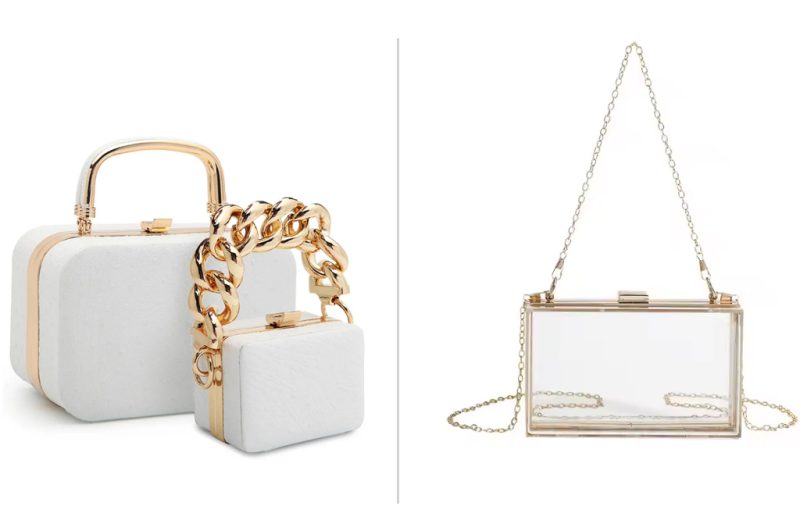
Gold Plating
Gold plating is a popular finish for purse hardware. It gives a luxurious look. However, gold plating can wear over time, especially with frequent use. For example, if a bag is used daily, the gold finish may start to fade within a year. The thickness of the gold layer can vary, usually around 0.5 to 2.5 microns. Thicker plating lasts longer but increases production costs.
– Thickness: 0.5-5 microns
– Durability: Wears through after 2,000 rubs
– Base metal: Usually brass
– Maintenance: Requires annual polishing.
Gunmetal Coating
Gunmetal coating provides a modern and sleek appearance. It is often used on metal hardware to create a dark, sophisticated look. This finish is resistant to scratches and does not show fingerprints easily. Gunmetal hardware is commonly found on contemporary bags, appealing to a younger audience. The coating typically consists of a layer of black nickel or a similar alloy.
– Composition: Zinc alloy with black oxide
– Scratch resistance: 3H pencil hardness
– Color options: Matte or glossy
– Cost: 15% more than plain zinc
Antique Brass
Antique brass has a vintage appearance. It is often used to give bags a classic feel. This finish is usually achieved through oxidizing brass to create a darker, aged look. For example, antique brass hardware is popular in bohemian or retro-style purses. The finish can enhance the bag’s character and is often used in conjunction with leather materials.
– Process: Chemical aging solution
– Patina depth: 0.1mm surface treatment
– Authenticity: Replicates 50-year oxidation
– Maintenance: Wax coating recommended
Choosing the Right Hardware for Your Handbag
1. Materials
Leather Bags
Leather is a common material for handbags. It is strong and durable. There are different types of leather. Full-grain leather is the highest quality. It comes from the top layer of the hide. It has a natural look and feels soft. For example, full-grain leather can last for many years with proper care. Top-grain leather is also popular. It is slightly less durable but has a smooth finish. Many luxury bags use these types of leather.
- Leather bags need strong hardware. The hardware must match the leather weight.
- – Thick leather (1.2-1.4mm)
– Use large rivets (5mm diameter)
– Choose heavy-duty zippers (YKK #5 or #8)
– Select wide buckles (1-inch minimum) - – Thin leather (0.8-1.0mm)
– Use small rivets (3mm diameter)
– Choose lightweight zippers (YKK #3)
– Select narrow buckles (1/2-inch width) - Example: A 2mm thick leather tote needs 6mm brass rivets.
2. Fabric Bags
Fabric is another option for handbags. Cotton and canvas are common choices. These materials are lightweight and easy to clean. For example, a canvas bag can weigh less than 1 pound. This makes it good for everyday use. Some bags use nylon. Nylon is water-resistant and very strong. For instance, a nylon handbag can withstand rain without getting damaged.
- Fabric bags need lightweight hardware. The hardware should not tear the fabric.
- – Canvas bags
– Use medium rivets (4mm diameter)
– Choose nylon coil zippers
– Select plastic buckles - – Silk/satin bags
– Use tiny rivets (2mm diameter)
– Choose delicate zippers (YKK #2)
– Select small metal clasps - Example: A cotton tote uses 4mm nickel-plated rivets.
3. Synthetic Material Bags
Synthetic materials are made from chemicals. They can mimic the look of leather or fabric. Faux leather is a common synthetic material. It is often cheaper than real leather. For example, a faux leather handbag can cost 30% less than a real leather one. Synthetic materials can be easier to clean. They are also available in many colors and patterns.
- Synthetic materials vary in strength. The hardware must match the material type.
- – Nylon bags
– Use rust-proof hardware
– Choose plastic zipper pulls
– Select coated metal rings - – PVC/vinyl bags
– Use smooth-edge hardware
– Choose large zipper teeth
– Select plastic-coated clasps - Example: A nylon backpack uses aluminum D-rings.
4. Exotic Skin Bags
Exotic skins are used for luxury handbags. These include materials like crocodile, snake, and ostrich. Exotic skins have unique textures and patterns. For example, a crocodile handbag can cost thousands of dollars. These bags are often seen as status symbols. They require special care to maintain their appearance.
- Exotic skins need special hardware. The hardware must not damage the skin.
- – Snakeskin/crocodile
– Use small, flat rivets
– Choose thin zipper tapes
– Select delicate clasps - – Stingray/ostrich
– Use rounded-edge hardware
– Choose flexible zippers
– Select smooth buckles - Example: A snakeskin clutch uses 2mm gold-plated rivets.
Handbag Hardware Selection Guide
| Material Type | Thickness/Weight | Recommended Hardware | Example Products | Key Considerations | Pros | Cons | Durability (⭐) | Price Range (USD) |
|---|---|---|---|---|---|---|---|---|
| Full-Grain Leather | 1.2-1.4mm (Heavy) | • 5mm brass rivets • YKK #8 zippers • 1″ wide buckles | Luxury totes, Briefcases | Use antique finishes; avoid sharp edges | ✔️ Develops patina ✔️ 50+ year lifespan | ✖️ Requires conditioning ✖️ Heavy (adds 300-500g) | ⭐⭐⭐⭐⭐ | $150-$500+ |
| Top-Grain Leather | 0.8-1.0mm (Medium) | • 3mm nickel rivets • YKK #3 zippers • ½” narrow buckles | Designer crossbody bags | Match hardware color to leather dye | ✔️ 30% lighter than full-grain ✔️ Scratch-resistant | ✖️ Less breathable ✖️ Thinner protection | ⭐⭐⭐⭐ | $80-$300 |
| Canvas/Cotton | <1lb (Lightweight) | • 4mm nickel rivets • Nylon coil zippers • Plastic buckles | Beach totes, Market bags | Pre-treat metal for rust prevention | ✔️ Machine-washable ✔️ Affordable | ✖️ Loses shape ✖️ Stains easily | ⭐⭐⭐ | $20-$100 |
| Silk/Satin | Ultra-thin | • 2mm gold-plated rivets • YKK #2 zippers • 5mm clasps | Evening clutches | Use silicone protectors on sharp edges | ✔️ Luxurious drape ✔️ Formal aesthetic | ✖️ High maintenance ✖️ Delicate (snags) | ⭐⭐ | $50-$200 |
| Faux Leather | 0.6-1.0mm | • Coated metal rings • Plastic zipper pulls • Smooth-edge clasps | Vegan handbags | Avoid textured hardware | ✔️ Easy to clean ✔️ Consistent color | ✖️ Can peel ✖️ Non-biodegradable | ⭐⭐⭐ | $30-$150 |
| Nylon | Water-resistant | • Aluminum D-rings • Plastic-coated zippers • Rust-proof snaps | Travel backpacks | Matte finishes hide wear | ✔️ Weatherproof ✔️ Lightest option | ✖️ Limited elegance ✖️ Fades in UV | ⭐⭐⭐⭐ | $40-$180 |
| Exotic Skins (Crocodile) | 0.5-0.8mm | • 2mm flat rivets • Thin zipper tapes • Delicate gold clasps | Luxury statement bags | Rounded edges only | ✔️ Unique texture ✔️ Investment value | ✖️ Ethical concerns ✖️ Specialist care needed | ⭐⭐⭐⭐ | $500-$5,000+ |
Closures & Fastenings
1. Magnetic Snaps
Magnetic snaps are common in handbags. They use magnets to keep the bag closed. These snaps are easy to use. You just press the two sides together. For example, a magnetic snap can hold a flap on a clutch bag securely.
- Pros:
– Quick to open (1 second)
– Easy to use with one hand
– Available in different strengths (3N to 8N pull force)
– Small size (10mm to 20mm diameter) - Cons:
– Weaker magnets fail over time
– Can damage credit cards if too strong
– Metal parts may rust if uncoated
2. Turn Locks
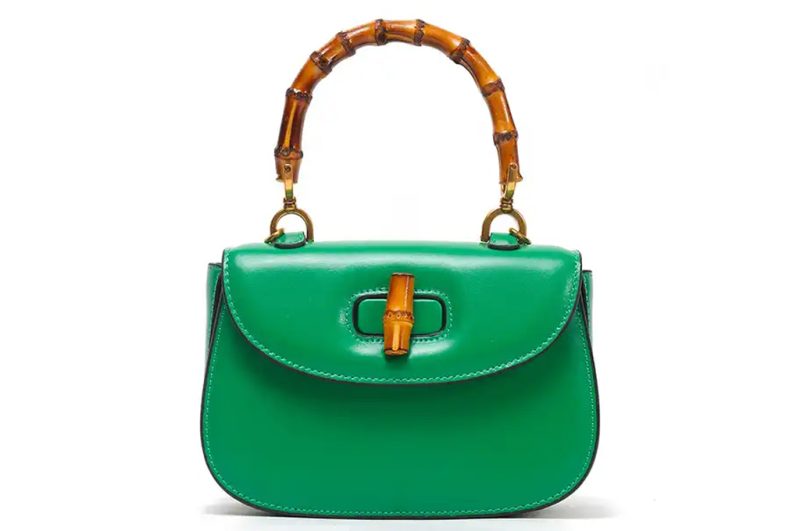
Turn locks are another type of closure. They have a small lever that you turn to open the bag. This type of lock is often found on vintage-style bags. For example, a turn lock can be seen on many satchel bags.
- Pros:
– Very secure (hard to open accidentally)
– Durable metal construction
– Classic high-end look - Cons:
– Take 3-5 seconds to open
– Require two hands to operate
– More expensive than snaps
3. Drawstrings
Drawstrings are used in many casual bags. They consist of a cord that you pull to close the bag. For example, many backpacks and gym bags use drawstrings.
- Pros:
– Adjustable opening size
– Casual, relaxed style
– Lightweight - Cons:
– Cords can fray over time
– Not weatherproof
– Hard to open with gloves
4. Flap Closures
Flap closures are common in many styles of handbags. They have a flap that covers the opening. The flap can be secured with various methods, such as a magnetic snap or a buckle. For example, many messenger bags use flap closures.
- Pros:
– Full coverage protection
– Classic elegant appearance
– Can combine with other closures - Cons:
– Adds extra weight
– Requires lifting to access
– May flap around when walking
Straps & Handles
1. Adjustable Straps
Adjustable straps can change length. You can make them longer or shorter. This feature allows for different carrying styles. For example, a bag with adjustable straps can be worn as a crossbody or shoulder bag. Many travel bags use adjustable straps for convenience.
- Pros:
– Fit different body sizes (adjust from 20″ to 50″)
– Convert between shoulder and crossbody wear
– Even weight distribution - Cons:
– Buckles add weight (1-2 oz extra)
– Adjustments loosen over time
– Extra strap length dangles - Example: A nylon crossbody bag has a strap adjusting from 24″ to 48″.
2. Fixed-Length Straps
Fixed straps have a set length. You cannot change the size. These straps are often found on smaller bags. For example, a clutch bag usually has fixed straps. They provide a specific look and style.
- Pros:
– More durable (no moving parts)
– Cleaner appearance
– Lighter weight - Cons:
– May not fit all body types
– Less versatile for different wears
– Can dig into shoulders if too thin - Example: A leather satchel has a fixed 24″ shoulder strap.
3. Shoulder Straps
Shoulder straps are designed to rest on your shoulder. They are often wider for comfort. Many shoulder bags have padded straps. For example, a typical tote bag may have shoulder straps that are around 1 to 2 inches wide. This width helps distribute weight evenly.
- Pros:
– Quick to put on/take off
– Classic look
– Good for brief access - Cons:
– Uneven weight on one side
– Slip off rounded shoulders
– Limited weight capacity (under 10 lbs ideal) - Example: A work tote has 1″ wide shoulder straps.
4. Handheld Straps
Handheld styles are meant to be carried in your hand. They usually have shorter straps or handles. For example, a handbag or a satchel often has handheld styles. These handles can be about 5 to 8 inches long. This length allows for easy carrying but may not be as comfortable for long periods.
- Pros:
– Elegant formal appearance
– No shoulder strain
– Secure grip - Cons:
– Tires arms with heavy loads
– Occupies one hand
– Short length (typically 4-8″) - Example: A designer clutch has 6″ leather handles.
Decorative Elements
1. Tassels
Tassels are hanging pieces of thread or fabric. They are often found on bags as a decorative touch. For example, a handbag may have tassels that hang from the zipper. Tassels can add movement and interest to a bag. They can be made from various materials, such as cotton or leather.
- Pros:
– Add playful movement (swing 2-4 inches)
– Soften structured bag designs
– Available in multiple lengths (3-12 inches) - Cons:
– Catch on objects easily
– Fray after 6-12 months of use
– Add extra weight (1-3 oz per tassel)
2. Studs
Studs are small, often metal decorations. They can be attached to bags for a bold look. For example, a leather bag may have silver or gold studs on the sides. Studs can create a rock-inspired or edgy style.
- Pros:
– Protect corners from wear
– Add edgy style
– Last 5+ years without damage - Cons:
– Scratch other surfaces
– Add significant weight (10-20 studs add 4-8 oz)
– May snag delicate fabrics
3. Embroidery
Embroidery involves stitching designs onto the fabric. This can create beautiful patterns and images on bags. For example, a bag may have floral embroidery that adds color and detail. Many brands use embroidery to show craftsmanship.
- Pros:
– Customizable designs
– Doesn’t add weight
– Withstands cleaning - Cons:
– Fades after 20+ washes
– Costs 20-50% more than plain bags
– Limits repair options
4. Metal Charms
Metal charms are small decorative pieces made of metal. They can be attached to bags for added flair. For example, a handbag may have charms shaped like hearts, stars, or initials. These charms can dangle from zippers or straps, adding a personal touch.
- Pros:
– Personalize bag appearance
– Easy to change/remove
– Create pleasant jingling - Cons:
– Noisy in quiet spaces
– May tarnish over time
– Can damage bag if too heavy
5. Beading
Beading involves sewing or attaching beads to a bag. Beads can be made of various materials, such as glass, plastic, or wood. For example, a clutch bag may feature intricate beadwork that creates beautiful patterns. Beading can add texture and color to a bag.
- Pros:
– Sparkles in light
– Hides wear marks
– Available in many colors - Cons:
– Beads fall off (5-10% loss per year)
– Rough on delicate fabrics
– Hard to clean

What Are the Most Durable Types of Purse Hardware?
Metal Hardware
Metal hardware is very common in purses. Stainless steel is one of the most durable options. It resists rust and corrosion. For example, many high-end bags use stainless steel for buckles and clasps. Brass is another strong metal. It has a classic look and can last for years. Many vintage bags still have brass hardware that looks good.
Plastic Hardware
Plastic hardware is lighter than metal. Some types of plastic are very strong. For example, polycarbonate is a tough plastic. It can withstand impacts and is often used in sport bags. However, plastic may not last as long as metal. It can scratch or break if dropped.
Nylon Hardware
Nylon is a synthetic material. It is very strong and flexible. Many bags use nylon for zippers and straps. High-quality nylon can resist tearing and fraying. For example, outdoor backpacks often use heavy-duty nylon for durability. This makes them ideal for rough use.
Leather Hardware
Leather can also be used for hardware. It is strong and can last a long time if cared for properly. For example, leather straps and handles are common in many designer bags. They provide a classic look and feel. However, leather can wear down if exposed to water or harsh conditions.
Composite Materials
Composite materials combine different elements. They can be very strong and lightweight. For example, some bags use a mix of metal and plastic. This combination can offer the benefits of both materials. Many modern bags use composite hardware for strength and style.
Are There Eco-Friendly Options for Purse Hardware?
Recycled Metal Hardware
Recycled metal is a popular eco-friendly option. Many brands use recycled aluminum and steel for their hardware. For example, some companies create buckles and clasps from recycled materials. This process reduces waste and uses less energy. Brands like Stella McCartney focus on using recycled metals in their designs.
Biodegradable Plastic Hardware
Biodegradable plastics are becoming more common. These plastics break down over time. Some brands use biodegradable materials for zippers and clasps. For example, certain companies create hardware that decomposes in landfills. This helps reduce plastic waste in the environment.
Natural Fiber Hardware
Natural fibers can also be used for purse hardware. Materials like jute and hemp are strong and renewable. Some bags feature handles or straps made from these fibers. For instance, jute bags are popular for their durability and eco-friendliness. They are often used in shopping bags and casual purses.
Sustainable Wood Hardware
Some designers use sustainable wood for hardware. Bamboo is a common choice. It grows quickly and is strong. For example, wooden buttons or clasps can add a unique touch to bags. Many brands focus on sourcing wood from responsible forests. This helps protect the environment.
Organic Cotton Straps
Organic cotton is another eco-friendly option. It is grown without harmful chemicals. Many bags use organic cotton for straps and handles. For instance, a bag with organic cotton straps is better for the environment than one made with conventional cotton. This choice supports sustainable farming practices.
How to Clean and Preserve Different Handbag Hardware?
Cleaning handbag hardware is important for keeping it looking good. For metal hardware, use a soft cloth. Wipe the surface to remove dirt and fingerprints. For stainless steel, you can use a mixture of water and mild soap. Rinse with a damp cloth and dry immediately to prevent spots.
For brass hardware, use a brass cleaner. Apply a small amount with a soft cloth. Rub gently to avoid scratches. After cleaning, polish the brass to restore its shine.
For plastic hardware, use a damp cloth with mild soap. Do not use harsh chemicals, as they can damage the plastic. Dry the hardware completely to avoid moisture buildup.
If your bag has leather straps or components, use a leather cleaner. Apply it with a soft cloth and follow the product instructions. This helps keep the leather soft and prevents cracking.
How to Prevent Wear and Tear?
To prevent wear and tear on your handbag, store it properly. Keep it in a dust bag or box when not in use. Avoid placing heavy items inside the bag. This can strain the hardware and cause it to break.
For bags with straps, avoid hanging them on hooks for long periods. This can stretch the straps. Instead, lay the bag flat or store it upright.
Regularly check the hardware for signs of damage. Look for loose screws or clasps. If you notice any issues, fix them quickly to avoid further damage.
Use your bag carefully. Avoid exposing it to harsh weather conditions. Rain and extreme heat can damage both the hardware and the bag material. If your bag gets wet, dry it as soon as possible with a soft cloth.
Conclusion
Understanding handbag hardware is essential for both functionality and style. Proper maintenance—including regular cleaning with mild soap, humidity control, and rotation—can extend hardware life by 2-3 years.
Additionally, pay attention to the hardware. Match it to your style preferences—opt for brass or antique finishes for a vintage look, or choose sleek silver or gold for a modern aesthetic. The right combination of bag and hardware can enhance your overall appearance and boost your confidence.
If you like it, Share :
Read other blog posts