How to Store Handbags Properly: The Best Tips to Keep Your Bags in Perfect Condition
- By Lesondi
- Updated:
Do your handbags lose their shape? Do they get dusty or damaged over time? Many people do not store handbags the right way.
Handbags are more than just accessories—they’re investments! Whether you own a collection of luxury designer bags or everyday totes, proper storage is key to keeping them in top condition. Handbags can lose shape, develop creases, or even get moldy without the right care. But don’t worry! In this guide, we’ll cover the best ways to store your handbags, from shelving ideas to dust bag usage, so they stay pristine for years to come.
This article explains cleaning before storage. It shows how to keep handbags in shape and provides organization ideas. Also, list common mistakes to avoid. Here you go~
Table of Contents
Why Proper Handbag Storage Matters
Many people store handbags without thinking. Bags left in the wrong place can get damaged. Damage is often permanent.
1. How Improper Storage Can Lead to Creases, Discoloration, and Mold
Bags lose shape when stored incorrectly. A soft leather bag folds under heavy weight. A bag pressed against a hard surface gets deep creases. Some creases never go away.
Light changes color. A bag in direct sunlight fades. A black bag turns gray. A red bag loses brightness. Some materials fade in a few months.
Moisture causes mold. A bag in a damp closet grows black spots. A leather bag absorbs moisture and smells bad. A fabric bag traps water and rots. Mold spreads fast.
2. The Importance of Maintaining Bag Shape and Material Longevity
A bag with good shape looks new. A slouched bag looks old. Stuffing keeps shape. A Chanel Classic Flap costs over $10,000. Owners fill it with tissue paper to prevent collapse.
Leather cracks over time. A dry bag becomes stiff. A well-stored leather bag stays soft for years. Suede collects dust easily. A covered suede bag stays clean.
3. Why Luxury Handbags Require Extra Care to Preserve Their Value
Some handbags gain value. A Hermès Birkin sold for $432,000 in an auction. Buyers want bags in perfect condition. Scratches, stains, and misshapen leather lower the price.
Luxury bags use delicate materials. A lambskin Chanel bag scratches easily. A patent leather Louis Vuitton bag gets sticky in the heat. Extra care keeps these bags in good condition.
Dust bags, stuffing, and proper placement keep bags safe. Owners of high-end collections follow strict storage rules. Proper care keeps handbags beautiful for years.
Choosing the Right Storage Space
Many people store handbags in the wrong place. Bags need a clean, dry, and safe space. The right storage prevents damage.
1. Best Places to Store Handbags: Closets, Shelves, and Storage Bins
Closets keep bags safe. A closed space blocks dust. A closet with doors protects bags from sunlight. Many people store luxury bags in walk-in closets.
Shelves help organize bags. A wooden shelf keeps bags upright. A glass shelf shows bags like a store display. A shelf must be wide enough. A narrow shelf bends large bags.
Storage bins protect bags from dust. A clear bin helps owners see bags. A fabric bin allows air circulation. A plastic bin traps moisture. A plastic bin without ventilation causes mold.
2. Closet Storage vs. Open Display: Pros and Cons
A closet keeps bags clean. A closed space prevents dust buildup. A closet protects bags from pets and children. A closet keeps humidity stable. Some people find closets hard to organize. A deep closet hides bags in the back.
An open display makes bags easy to reach. Many people enjoy looking at their collection. Open shelves make organization simple. Open spaces collect dust. Sunlight can damage bags. An open area increases the risk of scratches.
3. Ideal Temperature and Humidity Conditions for Bag Preservation
Leather cracks in dry air. Leather absorbs water in humid air. The best humidity level is 40% to 50%. A dehumidifier removes excess moisture. A humidifier prevents dryness.
Extreme temperatures damage bags. Leather hardens in the cold. Glue melts in the heat. Room temperature is best. A temperature between 60°F and 75°F is ideal.
4. Avoiding Direct Sunlight and Heat Exposure to Prevent Fading and Drying
Sunlight changes color. A black bag fades to gray. A bright bag loses vibrancy. A bag near a window fades in a few months. A UV-blocking curtain reduces damage.
Heat dries out the leather. A bag near a heater cracks. A bag inside a car warps. A bag stored near a lamp gets too hot. A cool, shaded place keeps bags safe.
How to Store Handbags Based on Material
Different materials need different care. The wrong storage damages the bag. Each material reacts differently to air, moisture, and pressure.
1. Leather Handbags: Using Stuffing and Breathable Dust Bags
Leather is soft. Leather loses shape if not stored properly. A sagging leather bag looks old. A structured leather bag needs support. A Chanel Classic Flap needs stuffing to keep its boxy shape. A Louis Vuitton Neverfull collapses without filling.
Stuffing helps maintain form. Tissue paper, bubble wrap, or bag pillows work best. Newspapers leave ink stains. Overstuffing stretches leather.
Leather needs to breathe. A plastic cover traps moisture. A dust bag made of cotton allows airflow. Many brands provide dust bags. A Hermès Birkin comes with a custom fabric dust bag. A breathable bag prevents mold.
2. Suede Handbags: Protecting from Dust and Moisture
Suede absorbs dirt. Dust sticks to the surface. A suede bag left uncovered collects particles in a few days. A dust bag keeps it clean.
Moisture stains suede. Water darkens the material. A suede bag stored in a humid space grows mold. A silica gel packet inside absorbs excess moisture. A suede brush removes light stains.
Suede fades in sunlight. A bright blue suede bag turns dull. A cool, dark space keeps the color rich. Many owners store suede bags in boxes. A structured box protects the delicate surface.
3. Canvas and Fabric Bags: Cleaning Before Storing to Prevent Stains
Canvas holds stains. A spilled drink leaves a mark. A dirty bag stored for months traps odors. A light-colored fabric bag turns yellow over time.
Washing before storage prevents buildup. A damp cloth cleans small stains. Mild soap removes dirt. A deep-cleaned bag dries completely before storage. A damp bag grows mold in a closed space.
Fabric bags wrinkle. A folded bag gets deep creases. A stuffed bag stays smooth. Many owners use garment bags for extra protection. A garment bag keeps dust away.
4. Exotic Skin Bags: Special Care Tips for Snakeskin, Crocodile, and Other Delicate Materials
Exotic skins are fragile. Snakeskin scales lift over time. Crocodile leather cracks if too dry. Ostrich leather darkens with too much oil.
Humidity damages exotic bags. A dry environment makes scales curl. A humid space softens the texture. A controlled space between 45% and 55% humidity is best. A climate-controlled storage box prevents damage.
Exotic skins need conditioning. A dry bag loses shine. A specialized exotic leather conditioner keeps the skin flexible. Many high-end brands recommend professional care. A luxury repair service costs hundreds of dollars.
Direct light ruins texture. A snakeskin bag exposed to the sun fades unevenly. A crocodile bag near a lamp dries out. A soft, dark storage space keeps the material intact. Many collectors store exotic bags in original packaging. A structured box with padding protects the surface.
The Best Ways to Organize Handbags
Handbags need proper organization. A cluttered space causes damage. A well-organized storage system keeps bags safe and easy to find.
1. Using Dividers or Cubbies for Structured Storage
Dividers keep bags upright. A shelf with vertical dividers separates each bag. Bags stay in place. A bag leaning against another gets creases.
Cubbies provide individual spaces. A built-in cubby system works well for large collections. A cubby prevents bags from touching. Many luxury collectors use custom shelving. A 12-inch by 12-inch cubby fits most medium-sized bags.
Fabric bins also work as dividers. A soft bin protects delicate materials. Many people use felt storage bins for small handbags. A structured bin keeps the bag from slouching.
2. Hanging Organizers vs. Shelf Storage: Pros and Cons
A hanging organizer saves space. A clear pocket organizer holds multiple bags. A small closet fits more bags with vertical storage. A hanging organizer works best for lightweight bags. A heavy leather tote stretches the pockets.
Shelf storage keeps bags stable. A shelf prevents warping. A wooden shelf holds more weight than a hanging organizer. Many owners use adjustable shelves. A shelf with a 14-inch height fits tall handbags.
Hanging organizers expose bags to dust. A closet shelf with doors protects from dirt. A covered shelf prevents fading. Hanging storage provides easy access. A shelf needs more space but gives better protection.
3. How to Store Bags with Chains or Delicate Embellishments to Avoid Scratches
Metal chains scratch the leather. A loose chain leaves marks on soft material. A Chanel Flap with a metal strap needs careful storage. A wrapped chain prevents damage. Many owners wrap chains in felt. A soft cloth stops friction.
Embellishments catch on fabric. A beaded clutch snags delicate dust bags. A velvet-lined box keeps fragile designs safe. A silk pouch prevents damage to sequins. A structured case protects a rhinestone-covered bag.
Hanging chain bags causes strain. A hanging strap stretches leather. A bag with a heavy chain sags over time. A flat surface provides better support. A stuffed bag keeps its shape.
4. Labeling Dust Bags for Easy Identification
A dust bag hides the bag inside. Many owners forget which bag is stored. A label saves time. A tag with the bag name or picture helps with quick selection.
A clear label on the front makes it easy to find a bag. A printed tag prevents confusion. Some people use color-coded labels. A black dust bag holds a black purse. A red tag marks a red bag.
A storage app helps large collections. Many collectors list their handbags in digital records. A QR code on a dust bag links to a photo. A scanned code shows the stored bag instantly. Many luxury collectors use this method.
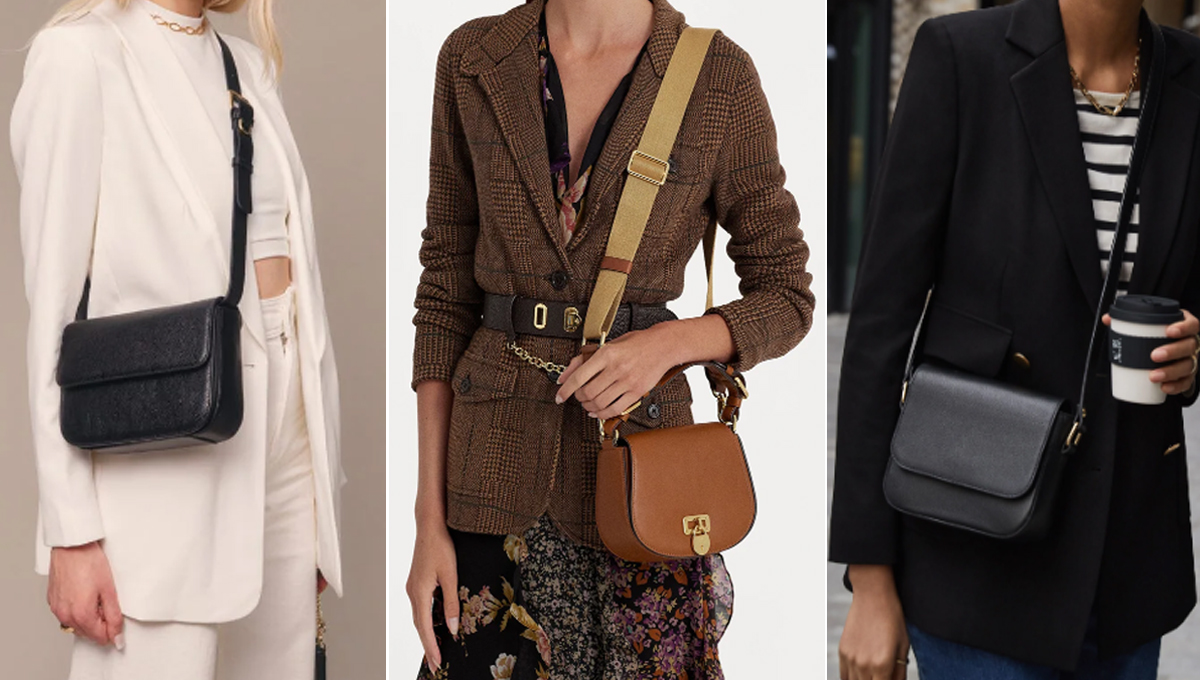
Cleaning Handbags Before Storage
A dirty handbag gets worse in storage. Dust settles into the fabric. Stains become harder to remove. Bacteria grow in hidden spots. Cleaning before storage prevents long-term damage.
1. Why Cleaning Is Essential Before Long-Term Storage
Dirt causes stains. The light-colored bag shows marks fast. The white leather bag turns yellow over time. Black fabric bag collects dust that dulls its color.
Moisture leads to mold. A damp handbag stored in a closet grows mildew. The bag left uncleaned traps sweat and oils. The suede bag absorbs moisture and gets water stains.
Leftover crumbs attract pests. Tote bag used for shopping collects dirt inside. Food particles inside pockets invite insects. Deep cleaning removes hidden debris.
2. Best Cleaning Methods for Different Materials (Leather, Suede, Canvas)
Leather needs gentle care. Dry microfiber cloth removes dust. Leather cleaner wipes away stains. Damp cloth removes surface dirt. Too much water dries out the leather. Chanel lambskin bag needs delicate handling. A leather conditioner keeps it soft.
Suede stains easily. The suede brush lifts dirt. The suede eraser removes marks. Dry cloth absorbs oil. The water darkens suede and leaves permanent spots. Suede protector spray prevents stains. A structured suede bag, like a Saint Laurent Kate, needs extra care.
Canvas and fabric bags collect dust. The soft brush removes loose dirt. A damp cloth with mild soap cleans deeper stains. The washing machine damages the fabric. Hand washing keeps the shape intact. Louis Vuitton Neverfull in canvas needs careful spot cleaning.
3. Products to Use and Avoid When Cleaning Handbags
The pH-balanced leather cleaner works best. Strong detergent strips oils from leather. The suede brush lifts dirt without damaging texture. A wet wipe with alcohol dries out materials.
Mild soap cleans fabric bags. Bleach-based cleaner fades colors. Soft cloth works better than rough paper towels. Rough sponge scratches delicate materials.
Leather conditioner keeps leather soft. Petroleum-based products clog pores. Water-repellent spray protects suede. Silicone-based spray leaves a sticky residue.
Proper cleaning keeps a handbag fresh. Well-maintained bag lasts longer.
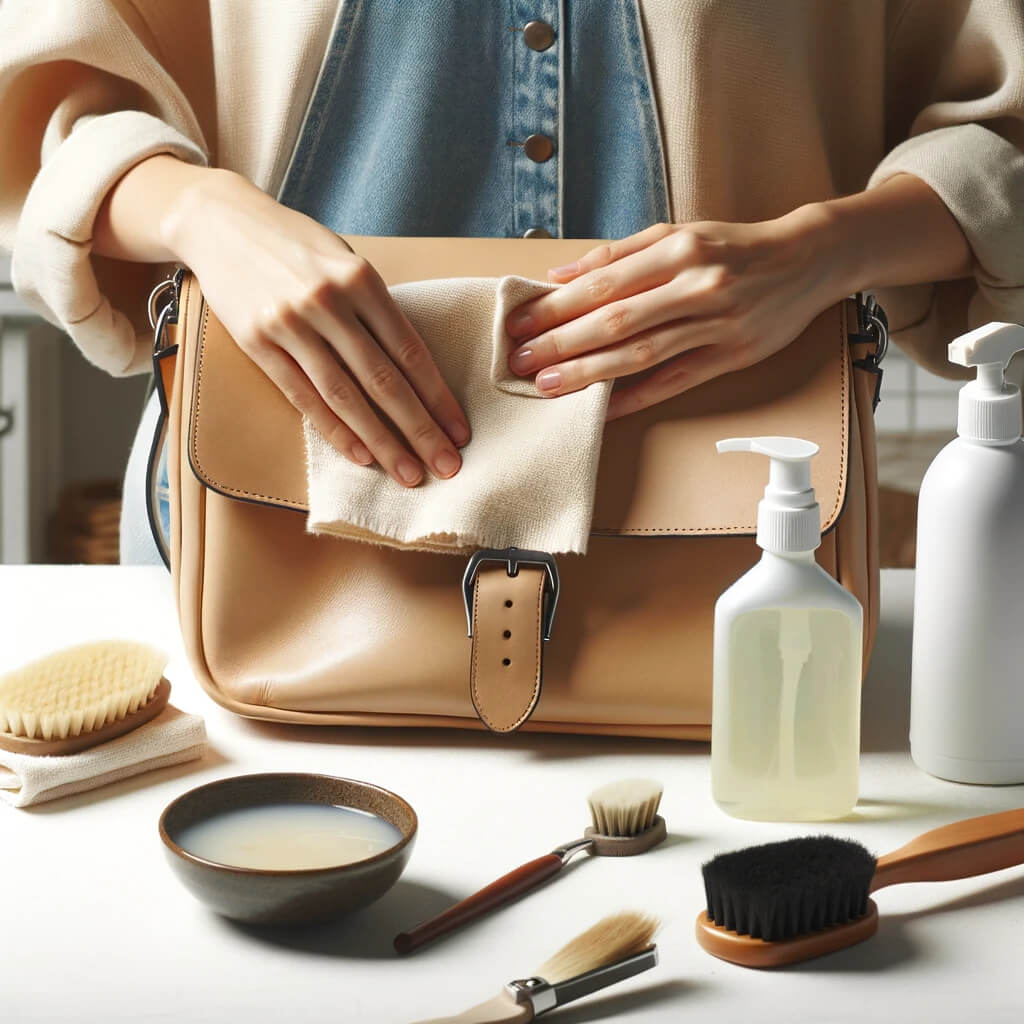
Protecting Handbags from Dust and Moisture
Dust settles on bags. Moisture causes mold. Proper protection keeps them clean and dry.
1. Using Dust Bags vs. Plastic Covers: Which Is Better?
Dust bags protect from dirt. Cotton fabric allows air to flow. Many luxury brands provide them. Louis Vuitton includes soft cotton covers. Hermès provides custom storage bags.
Plastic covers trap moisture. Clear wrapping blocks dust but blocks air too. Leather absorbs humidity inside the plastic. Moisture causes cracks. Patent surfaces become sticky. Plastic works only for short-term use.
Breathable fabric prevents damage. Silk lining protects delicate materials. Drawstring closures keep out dust. Structured storage keeps the shape intact.
2. Silica Gel Packets and Dehumidifiers to Prevent Mold
Silica gel absorbs moisture. Small packets keep interiors dry. Leather stored in humid conditions grows mold. Suede absorbs water fast. The silica inside prevents excess moisture buildup.
Dehumidifiers control humidity. Storage areas above 55% humidity risk mold. Small dehumidifiers keep closets safe. Portable models work well in enclosed spaces.
Too much moisture ruins surfaces. Chanel lambskin softens and turns sticky. Gucci canvas starts to smell musty. Silica gel and dehumidifiers reduce moisture risks.
3. Proper Air Circulation to Keep Handbags Fresh
Closed spaces trap odors. Bags need fresh air. Storage without airflow smells damp. Open shelves allow better circulation.
Crowded spaces reduce freshness. Bags need breathing room. Pressed storage traps moisture. Overstuffed shelves increase mold risk.
Light airflow prevents mildew. Open closet doors improve circulation. Ventilation fans clear stale air. Fresh-smelling storage maintains condition.
How to Keep Handbags in Shape
Bags lose form without support. Soft materials fold. Heavy bags sag. Proper storage keeps them looking new.
1. The Importance of Stuffing: What to Use (Tissue Paper, Bag Pillows)
Stuffing prevents deep creases. Space inside lets folds form. Filling supports structure. Tissue paper works well. Soft sheets stop sharp bends. Bubble wrap holds shape but traps moisture. Many people use bag pillows. Fabric pillows fit inside without pressure. Collectors prefer silk or cotton fillers. Chanel owners buy custom-shaped inserts to keep bags firm.
2. Avoiding Overstuffing to Prevent Stretching
Too much stuffing pushes leather outward. Overfilled bags lose their true shape. Soft leather stretches. Stiff designs bulge in the wrong spots. Handbags need enough filler to keep their form without pressure. Lightly stuffing a Louis Vuitton Neverfull keeps it firm. Overpacking a Chanel Boy Bag stretches its flap.
3. How to Store Handbags Upright Without Collapsing
Bags stored upright hold their shape longer. Shelving must give enough room. Bags leaning sideways get deep creases. Supports help them stand. Some people use clear dividers. Others use strong bookends. filled Birkin stays upright on a shelf. A Celine Luggage Tote needs firm support on both sides. Long straps need careful placement. Tucking them inside prevents pressure marks.
4. The Best Way to Handle Structured vs. Slouchy Handbags
Structured bags keep the form with less effort. Stiff leather holds its shape. These bags need gentle support. Light stuffing stops dents. Dior Lady Bag stays firm with soft filling. Prada Saffiano Tote keeps its structure with proper storage.
Slouchy bags need extra care. Soft leather folds under its weight. These bags need full stuffing. Bottega Veneta Jodie sags without support. Gucci Soho Disco flattens when left empty. Hanging stretches handles. Flat storage with good support keeps their shape intact.
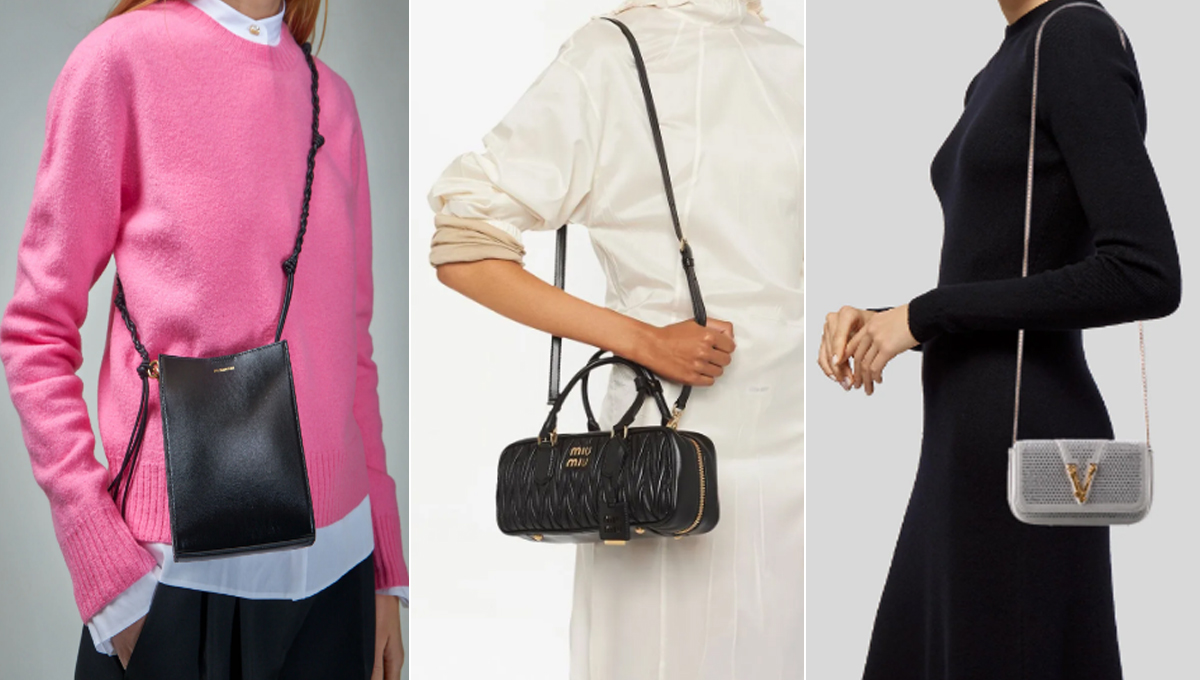
Long-Term Handbag Maintenance Tips
Bags need care to stay in good condition. Dirt weakens materials. Moisture causes mold. Proper maintenance prevents damage.
1. Regular Cleaning and Conditioning to Prevent Material Damage
Dust builds up over time. Small particles scratch surfaces. Soft cloth removes loose dirt. Microfiber works best for gentle cleaning. The Suede needs brushing to lift debris. The suede eraser removes light stains.
Leather dries out without moisture. Conditioning keeps it soft. A pea-sized drop of conditioner covers most surfaces. Too much product clogs pores. Many owners use Collonil or Cadillac lotion for leather care. Suede needs a different approach. Waterproof sprays protect fibers. Light mist prevents stains from setting in.
2. Rotating Bags to Avoid Wear and Tear on Favorites
Daily use wears out leather. Constant friction weakens stitching. Using different bags reduces stress on one. Switching between two or three keeps them fresh. Many collectors rotate weekly. Some match bags with outfits to spread usage evenly.
Handles lose strength over time. Oils from hands speed up cracking. Worn straps need conditioning. Light use extends their life. Rotating between crossbody and shoulder styles helps prevent overuse.
3. Using Silica Gel Packets to Absorb Moisture and Prevent Mold
Humidity weakens materials. Moisture leads to mold growth. Silica gel controls excess dampness. Small packets keep interiors dry. Single packet works for small purses. Large totes need two or three.
Closets trap moisture. Stored bags absorb damp air. A dehumidifier helps control levels. Mold spreads fast in dark spaces. Checking conditions monthly prevents damage. Some use activated charcoal for extra absorption.
4. Inspecting for Damage and Doing Minor Repairs Before Storage
Small issues turn into big problems. The loose stitch grows into a tear. Weak handle snaps underweight. Checking for damage prevents costly repairs.
Leather cracks without care. Dry spots need conditioning. The cracked strap needs reinforcement. Early repairs keep bags strong. Many use leather glue for minor fixes. Some take luxury bags to professionals.
Metal parts lose shine. Tarnish forms on zippers and clasps. Polishing restores luster. Jewelry cloth removes dullness. Quick wipe keeps metal bright. Scratches on hardware need buffing. Many use metal polish for deep cleaning.
Long-Term Storage Tips for Handbags
Bags need proper care in storage. Dust settles over time. Moisture weakens materials. Checking conditions prevent damage.
1. How Often to Check on Stored Handbags
Storage spaces collect dust. Bags left untouched for months lose freshness. Checking every four weeks helps prevent buildup. Light dusting keeps surfaces clean. Soft microfiber cloth removes loose dirt.
Humidity changes over time. A closet with poor airflow traps moisture. Leather absorbs dampness. Quick inspection prevents mold. A simple touch test detects early signs. Sticky surfaces mean excess moisture. Dry, stiff material signals dehydration.
Stored bags lose shape. Loose stuffing shifts over time. Checking structure keeps forms intact. Gentle reshuffle restores balance. Many collectors adjust their positioning every season.
2. Preventing Leather from Drying or Cracking
Leather needs moisture. Dry air stiffens surfaces. The room below 40% humidity dries out materials. A small humidifier keeps levels stable. Some use damp cloths inside storage areas. Light misting prevents dehydration.
Conditioning protects leather. The thin layer keeps surfaces smooth. Too much product clogs pores. Owners apply conditioner every three months. Many use Collonil or Bickmore. Pea-sized drop covers most handbags.
Direct heat damages leather. Sunlight fades color. The bag near a heater cracks faster. Cool, shaded spot protects the material. Many keep bags inside breathable fabric covers.
3. When to Seek Professional Handbag Care Services
Deep stains need expert cleaning. Water spots on suede do not fade easily. Professional treatment restores texture. Luxury repair shops handle delicate materials. Brands like Hermès offer in-house services.
Loose stitching weakens the structure. Small tear grows with use. Professional repairs reinforce seams. An expert restitches without damaging material. Many fix straps before complete breakage.
Hardware loses shine over time. The tarnished buckle looks dull. Experts polish metal without scratches. High-end services restore gold and silver plating. Many luxury owners visit specialists once a year.
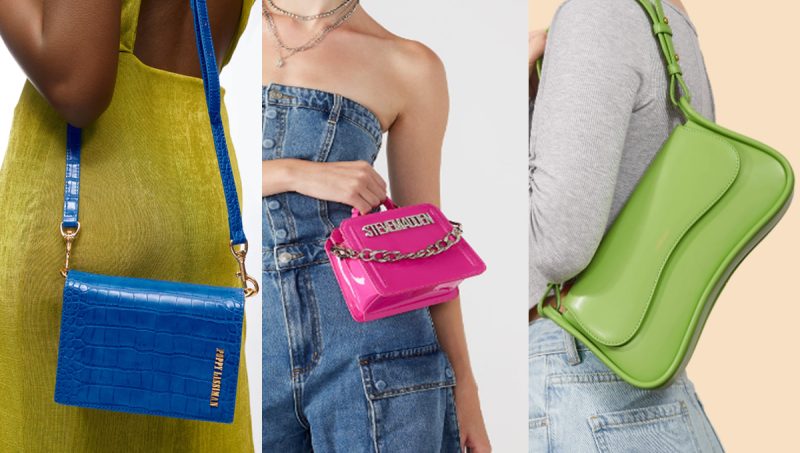
Common Handbag Storage Mistakes to Avoid
1. Storing Bags in Plastic Bags (and Why It’s a Bad Idea)
Many people use plastic bags to store their handbags. This is not good. Plastic does not let air flow. This can cause moisture to build up. When moisture builds up, it can lead to mold and mildew. Leather and fabric need air to stay in good shape. Plastic also sticks to some materials over time. This can leave marks or damage the surface. For example, a leather bag can get ruined if it stays in a plastic bag for too long. Instead, use cotton or linen bags. These materials let air in and keep your bags safe.
2. Leaving Handbags Stacked or Piled on Top of Each Other
It is common to stack bags on top of each other. This can cause damage. Heavy pressure flattens soft bags. Hard bags can get dents or scratches. Zippers and buckles can be pressed into other bags. This leaves marks that are hard to fix. To avoid this, Store bags upright with space between them. Use shelf dividers or bag organizers to keep them separate. Or Use shelves or hooks. This keeps them neat and prevents damage.
3. Keeping Bags in Humid Areas Without Protection
Humidity can harm handbags. Storing bags in humid places, like basements or bathrooms, is not wise. Humidity can cause the leather to crack. It can also lead to mold growth. For example, if a bag is stored in a damp area, it may smell bad later. Use a dehumidifier or store bags in dry areas. This helps keep them in good condition.
4. Forgetting to Clean Bags Before Storing
Cleaning bags before storing them is important. Dust、dirt and oil buildup can cause problems over time. Stains set in if left too long. Makeup, food crumbs, or hand lotion can ruin the material. For instance, a small stain can become a big issue if left for too long. Before putting your bag away, wipe it down with a soft cloth. If there are stains, use a gentle cleaner. This keeps your bags looking new. Use leather conditioner for leather bags. Empty all pockets to avoid stains from forgotten items.
5. Storing Handbags in Direct Sunlight or Near Heat SourcesSunlight fades
colors. Heat dries out the leather, making it crack. Placing bags near radiators, heaters, or windows shortens their lifespan. For example, a bright red bag can turn pink if left in the sun too long. To protect your bags, store them in a cool, dark place. Avoid windows and heaters. Such as Keeping them inside closets or drawers away from heat and light. This helps keep the colors bright and materials strong.
6. Using the Wrong Storage Materials (Plastic Bins, Non-Breathable Fabrics)
Choosing the right storage materials is key. Plastic bins can trap moisture. Non-breathable fabrics stop airflow and can cause issues too. For example, a bag stored in a fabric that does not breathe may develop mold. Instead, use breathable storage options. Cotton or canvas bags are good choices. They let air circulate and keep your bags safe. Store bags on open shelves or in breathable storage boxes.
How to Prevent Handbags from Creasing
1. Store Bags with Proper Support
Bags lose their shape when left empty. Soft leather folds easily. Fabric bags wrinkle fast. Use tissue paper or bubble wrap to fill the inside. Do not use newspaper. Ink can transfer to the lining. Choose a filler that is firm but light. Overfilling stretches the material.
2. Keep Bags Upright
Bags bend when stored the wrong way. Folding weakens the structure. Large bags slump if not supported. Place bags upright on shelves. Use shelf dividers to keep them from leaning. Store them in a way that keeps their original shape.
3. Do Not Stack Bags
Heavy pressure causes deep creases. Soft bags flatten under weight. Hard bags press into each other, leaving marks. Never pile bags on top of one another. Keep them side by side with space in between.
4. Use Dust Bags or Pillowcases
Dust collects on stored bags. Exposure to air dries out leather. Rough fabrics rub against surfaces, causing lines. Cloth dust bags protect bags from dirt. Pillowcases work the same way. Do not use plastic covers. Plastic traps moisture, leading to mold.
5. Avoid Folding or Rolling Bags
Some people fold large bags to save space. Deep folds become permanent over time. Rolling soft bags causes wrinkles. Lay oversized bags flat with support inside. Store structured bags in their natural form.
6. Control Temperature and Humidity
Heat makes leather stiff. Dry air causes cracks. Too much moisture leads to mold. Keep bags in a cool, dry space. Use silica gel packets to prevent moisture buildup. Do not store bags near heaters, windows, or humid areas.
7. Rotate Bags Regularly
Leaving a bag untouched for too long leads to creases. Some materials stiffen when not used. Change the bags you use every few weeks. Stuff and store unused bags properly to keep their shape.
The Best Storage Bins for Handbags
1. Clear Plastic Bins with Lids
Clear bins keep bags visible. Finding the right bag takes less time. Lids protect from dust. Plastic bins should be ventilated. Trapped moisture leads to mold. Choose bins with small holes or use silica gel inside.
2. Fabric Storage Boxes
Fabric boxes let air flow. Non-woven or cotton fabric keeps bags fresh. Some have dividers for better organization. Soft interiors prevent scratches. Bags stay clean without losing shape.
3. Stackable Storage Bins
Stackable bins save space. Bags stay organized without being crushed. Hard plastic bins with separate lids work best. Bags should not press against each other. Use inserts to keep soft bags upright.
4. Open-Front Storage Bins
Bins with open fronts give easy access. Bags stay in place without constant handling. Good for shelves or closets. Look for sturdy bins with smooth edges. Rough edges can damage delicate materials.
5. Acrylic Storage Boxes
Acrylic boxes look stylish. Thick acrylic provides strong protection. Boxes with magnetic doors keep dust out. Clear material helps display bags without exposure to open air. These work well for designer collections.
6. Wooden Storage Crates
Wooden crates give strong support. They allow air circulation. Slatted designs prevent moisture buildup. These work best for large shelves. Avoid untreated wood. It can stain light-colored bags.
7. Collapsible Storage Bins
Collapsible bins work for limited space. Soft fabric folds when not in use. Some have handles for easy moving. Choose bins with firm sides. Bags should not lean or bend inside.
8. Hanging Storage Solutions
Hanging storage solutions are great for saving space. You can hang bags on hooks or in a closet. For instance, a hanging organizer with pockets can hold several bags. This keeps them visible and easy to reach. Make sure the hooks are strong enough to hold the weight of your bags.
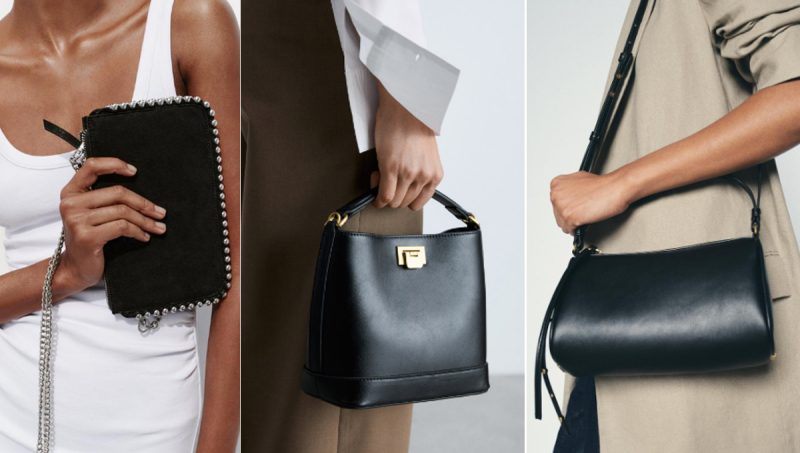
8 Ideas for Handbag Display
1. Open Shelving Units
Shelves keep bags visible. Wide shelves hold different sizes. Small dividers keep bags upright. Wood or metal shelves give strong support. Avoid glass if shelves hold heavy bags.
2. Wall Hooks and Pegboards
Hooks save space. Bags hang neatly without pressure. Pegboards allow adjustable hooks. Leather straps stretch if hung too long. Rotate bags often to keep their shape.
3. Glass Display Cases
Glass cases protect from dust. Clear panels show details of each bag. Cases with LED lights highlight colors. Avoid direct sunlight. Too much light fades leather over time.
4. Cubby Storage Units
Cubbies keep bags separate. Each bag gets its own space. Soft fabric inside prevents scratches. Large cubbies fit totes and backpacks. Small ones hold clutches and wallets.
5. Ladder Racks
Ladders lean against walls. Bags hang from each rung. Lightweight bags work best. Heavy bags pull the fabric down. Use padded hangers to prevent strap marks.
6. Rotating Display Stands
Rotating stands hold multiple bags. Spinning racks make browsing easy. Stores use these for fast access. Home versions keep small collections tidy. Choose sturdy bases to prevent tipping.
7. Bookshelves with Dividers
Bookshelves work well for bags. Dividers keep them upright. Adjustable shelves fit different sizes. Avoid overcrowding. Tight spaces cause creases and dents.
8. Hanging Closet Organizers
Closet organizers hold many bags. Fabric slots prevent dust buildup. Large compartments fit shoulder bags. Small sections store evening bags. Keep heavier bags on the bottom.
Conclusion
Proper handbag storage is essential to maintaining the beauty and longevity of your collection. By following these simple tips—choosing the right storage space, keeping bags in shape, and avoiding common mistakes—you can ensure your handbags stay in pristine condition for years. Ready to organize your collection? Start implementing these storage hacks today!
If you like it, Share :
Read other blog posts