The Ultimate Guide to Bag Hardware Types in 2025: Everything You Need to Know
- By Lesondi
- Updated:
Last Updated: May 30, 2025
Bag hardware refers to the functional and decorative metal or plastic components used in the construction and design of bags. These include items like zippers, buckles, clasps, chains, handles, rivets, D-rings, grommets, and feet. Beyond functionality—such as securing closures, adjusting straps, or adding durability—bag hardware plays a pivotal role in defining the aesthetic and style of a bag.
The choice of hardware can elevate a bag’s overall design, conveying luxury with polished gold or silver finishes, or emphasizing practicality with sturdy, matte options. High-quality hardware ensures longevity, enhances user experience, and can set a bag apart in the competitive fashion market, making it a key element in both the design and marketability of bags.
| Bag Hardware Types Comparison (2025) | ||||||
| Type | Primary Material | Key Function | Strength | Weight | Cost Range | Best For |
| 1. Zippers | Metal/Plastic | Opening closure | Medium-High | Light | $0.50-$15 | Luggage, backpacks |
| 2. Clasps | Metal/Resin | Decorative fastening | Low-Medium | Light | $1-$40 | Purses, jewelry bags |
| 3. Latches | Metal | Security closure | High | Medium | $5-$60 | Briefcases, luxury bags |
| 4. Buckles | Plastic/Metal | Strap adjustment | High | Medium | $0.80-$25 | Backpacks, belts |
| 5. D-Rings | Metal | Attachment point | Very High | Light | $0.30-$8 | Straps, dog leashes |
| 6. Rivets | Metal/Copper | Structural reinforcement | Very High | Light | $0.10-$5 | Jeans, leather goods |
| 7. Grommets | Metal/Plastic | Fabric reinforcement | Medium | Very Light | $0.05-$2 | Tarps, sneakers |
| 8. Handles/Straps | Leather/Nylon | Carrying support | Varies | Varies | $2-$100+ | All bag types |
| 9. Feet | Rubber/Metal | Bottom protection | High | Medium | $1-$20 | Briefcases, luggage |
| 10. Chains | Metal | Decorative strap | Medium | Heavy | $3-$200+ | Evening bags |
| 11. Locks | Metal/Zinc alloy | Security | Very High | Medium | $4-$150 | Travel bags |
| 12. Carabiners | Aluminum | Quick attachment | High | Light | $2-$50 | Outdoor gear |
| 13. Tassels/Charms | Leather/Metal | Decoration | Low | Light | $0.50-$30 | Bohemian bags |
| 14. Adjustable Fasteners | Plastic/Metal | Size customization | Medium | Light | $1-$40 | Backpacks, belts |
Table of Contents
Common Types of Bag Hardware
1. Zippers
1.1 Types:
-Coil Zippers: Made with a spiral plastic coil, these zippers are lightweight and flexible.
-Metal Zippers: Constructed from materials like brass, aluminum, or nickel, these are known for their strength and classic look.
-Waterproof Zippers: Designed with a rubber or polyurethane coating, these are ideal for protecting contents from water exposure.
-Invisible Zippers: Hidden beneath fabric when closed, these are often used for a seamless and sleek appearance.
1.2 Best for:
Zippers are indispensable for securing bag compartments and closures, offering both functionality and added design elements. Whether in a backpack or a handbag, a well-chosen zipper ensures items stay safe and organized.
1.3 Considerations:
-When selecting zippers, consider durability, as frequent use can cause wear. ease of use, since a smooth glide enhances user satisfaction;
-Style, as the zipper’s finish and teeth design can complement the bag’s overall look. For instance, metal zippers are popular in luxury bags for their sophisticated appeal, while waterproof zippers are ideal for outdoor or travel bags.
1.4 Popular in:
Zippers are widely used across bag types:
– Backpacks: Often feature coil or waterproof zippers for flexible and weather-resistant functionality.
– Handbags: Metal zippers are a common choice for their polished, stylish finish.
– Luggage: Heavy-duty zippers, usually with double sliders, ensure compartments are secure during travel.
Advantages:
– Zippers are easy to use. You can open and close them quickly.
– They provide a secure closure. For example, a jacket stays closed with a zipper.
– Zippers come in many sizes and styles. You can find them in clothing, bags, and tents.
Disadvantages:
– Zippers can break easily. A common issue is the slider coming off the track.
– They may get stuck. Dirt or fabric can cause a zipper to jam.
– Zippers can be noisy. The sound can be distracting in quiet places
2. Clasps
2.1 Types:
-Magnetic Clasps: These use magnets to snap together, offering a quick and seamless closure. They are lightweight and often discreet, blending well with the bag’s design.
-Twist Clasps: Feature a rotating mechanism that locks the closure in place. These add a stylish, mechanical touch and are often seen in structured bags.
-Turn Locks: Similar to twist clasps but with a horizontal or vertical turn mechanism. These offer a vintage or classic aesthetic and a secure closure.
2.2 Best for:
Clasps are perfect for providing a balance between functionality and elegance, particularly in high-end and formal bags. They secure the contents while enhancing the overall sophistication of the design.
2.3 Considerations:
Key factors when choosing clasps include:
– Ease of opening: A clasp should open and close effortlessly without compromising security.
– Aesthetic appeal: Clasps contribute significantly to a bag’s visual identity. For example, a polished gold turn lock adds a luxurious element to an evening clutch.
2.4 Popular in:
Clasps are most commonly used in:
– Clutch Bags: Magnetic clasps provide a sleek and minimalistic look while maintaining security.
– Evening Bags: Turn locks and twist clasps elevate the bag’s elegance, matching the formal tone of events.
– Designer Purses: Iconic brands like Chanel and Dior often incorporate distinctive turn locks into their designs, making the clasp a signature element.
Advantages:
– Clasps are simple to operate. You can easily snap them open and closed.
– They come in various designs. For instance, a hook clasp is popular for jewelry.
– Clasps can be decorative. They add style to bags and accessories.
Disadvantages:
– Clasps can come undone. This can lead to losing items like necklaces.
– Some clasps may be hard to use. Small clasps can be tricky for people with limited dexterity.
– They can wear out over time. A metal clasp may rust or break.
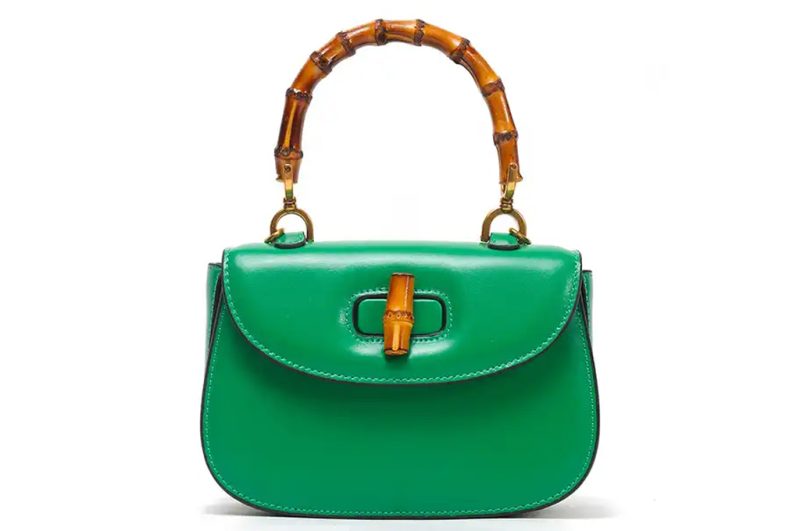
3. Latches
3.1 Types:
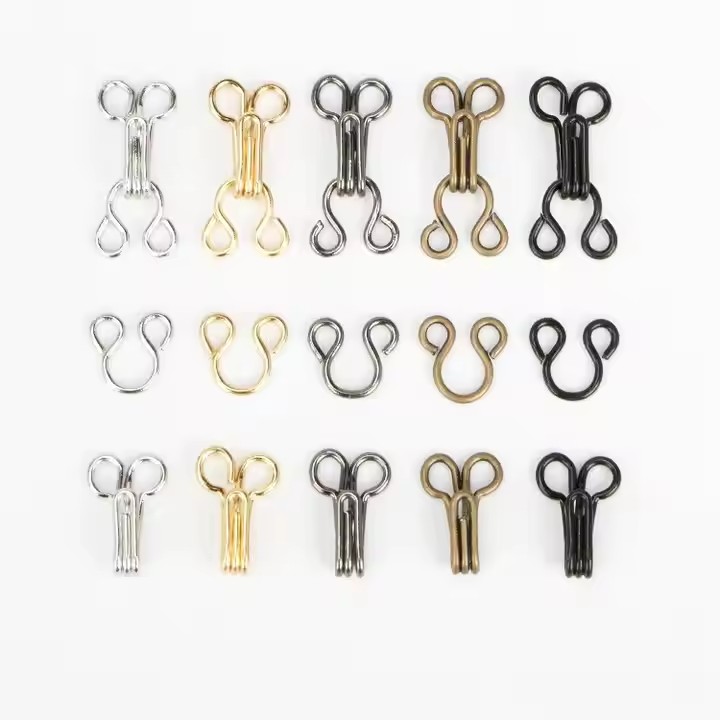
-Hook-and-Eye Latches: This consists of a hook that fits into a loop or eye, creating a simple yet secure closure. Commonly found in retro and utility-inspired designs.
-Flip Latches: Feature a hinged mechanism that flips into place to lock. These are sleek and easy to operate, often used for a streamlined look.
-Buckle Latches: Offer an adjustable strap with a clasp, combining closure with functionality for adjusting the fit or securing contents.
3.2 Best for:
Latches are ideal for creating a traditional or vintage feel in bag designs. They provide a secure closure option while enhancing the aesthetic with a touch of nostalgia or practicality.
3.3 Considerations:
– Strength: A good latch should withstand pressure and maintain its hold even with frequent use.
– Ease of Use: The mechanism should open and close smoothly without requiring too much effort. For example, flip latches are particularly popular because they are both strong and user-friendly.
3.4 Popular in:
– Briefcases: Buckle and flip latches are common for their professional and classic look. For example, Samsonite’s leather briefcases often use buckle latches for added security and style.
– Messenger Bags: Hook-and-eye latches are frequently seen in casual messenger bags, offering a blend of durability and vintage charm.
– Vintage-Style Bags: Flip latches are often used in bags inspired by retro designs, where functionality meets an old-world aesthetic.
Advantages:
– Latches provide strong security. They keep doors and boxes closed tightly.
– They are easy to install. You can find many latches at hardware stores.
– Latches can be used in many places. They work on gates, cabinets, and toolboxes.
Disadvantages:
– Latches can be difficult to open. Some designs require two hands.
– They may rust if not made of good materials. A rusty latch can be hard to operate.
– Latches can break with force. A heavy door can damage a weak latch
4. Buckles
4.1 Types:
-Roller Buckles: Feature a roller bar that allows straps to glide smoothly for adjustment. Often used in leather straps for a polished and sturdy look.
-Double Buckles: Have two prongs for added stability, commonly used for heavy-duty purposes or bags requiring extra security.
-Pinch Buckles: Open by pinching the sides, making them quick and easy to use. These are lightweight and often made of plastic or metal.
-Side-Release Buckles: Similar to pinch buckles but with a broader design for easier grip, often used for outdoor or sports bags.
4.2 Best for:
Buckles are essential for adjustable straps and provide both functionality and style. They are particularly effective in maintaining the desired strap length, making them a staple in versatile bag designs.
4.3 Considerations:
– Material Strength: Buckles should be made of durable materials such as high-grade plastic, stainless steel, or aluminum, depending on the bag’s purpose. For example, roller buckles in leather backpacks often use stainless steel for longevity.
– Comfort: The design should ensure that the strap lies flat and comfortably on the user’s shoulder or waist without causing irritation.
4.4 Popular in:
– Backpacks: Roller and pinch buckles are commonly used for strap adjustments, combining utility with sleek design. Brands like North Face incorporate side-release buckles in their outdoor backpacks for easy handling.
– Casual Totes: Buckles add a stylish yet functional element, with roller buckles often featured on shoulder straps or decorative closures.
– Waist Bags: Side-release buckles dominate this category due to their secure fit and quick-release mechanism, making them practical for active users.
Advantages:
– Buckles are sturdy. They hold straps and belts securely.
– They are adjustable. You can change the fit of a belt easily.
– Buckles come in many styles. For example, a side-release buckle is common in backpacks.
Disadvantages:
– Buckles can be bulky. Some designs take up extra space.
– They may scratch surfaces. A metal buckle can damage a car seat or bag.
– Buckles can break if made from cheap materials. A plastic buckle may snap under pressure.

5. D-Rings
5.1 Types:
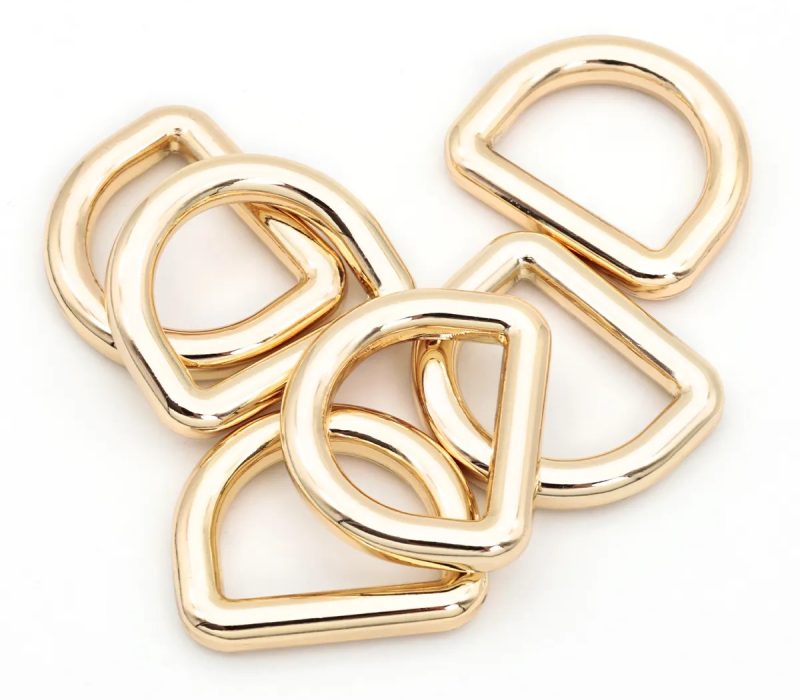
-Plain D-Rings: Simple and lightweight, typically made from materials like aluminum or plastic. They are often used for lighter-duty purposes such as attaching keychains.
-Welded D-Rings: Feature a welded seam for enhanced strength, making them suitable for heavy-duty applications or bags that carry substantial weight.
-Decorative D-Rings: Designed with added aesthetic elements, such as polished finishes or unique shapes, to complement the bag’s style while remaining functional.
5.2 Best for:
D-Rings are versatile components, most commonly used for attaching straps, keychains, or additional accessories. They provide a practical way to enhance a bag’s functionality, especially in adjustable strap designs or modular bags.
5.3 Considerations:
– Durability: The material and construction of the D-ring must align with the bag’s intended use. For example, welded D-rings in leather messenger bags ensure the bag can handle heavier loads.
– Strength: A strong D-ring is critical for securing straps and accessories without risk of bending or breaking. High-tensile-strength stainless steel or brass is often preferred for professional or travel bags.
5.4 Popular in:
– Messenger Bags: D-Rings, especially welded ones, are frequently used to attach adjustable shoulder straps. Brands like Timbuk2 integrate D-rings for durability and urban style.
– Belt Bags: Plain D-rings are often used for strap attachments, providing functionality in a lightweight, compact design.
– Crossbody Bags: Decorative D-rings enhance the bag’s look while offering points for strap attachment or accessory add-ons.
Advantages:
– D-Rings are versatile. You can use them for attaching straps and handles.
– They are strong. They can hold heavy loads, like on a backpack.
– D-Rings are easy to find. They are available in many sizes at craft stores.
Disadvantages:
– D-Rings can snag fabric. This can cause tears in clothing or bags.
– They may rust if made of metal. A rusty D-Ring can weaken over time.
– D-Rings can be hard to attach. You need tools like pliers to secure the
6. Rivets
6.1 Types: Flat, Dome, Decorative
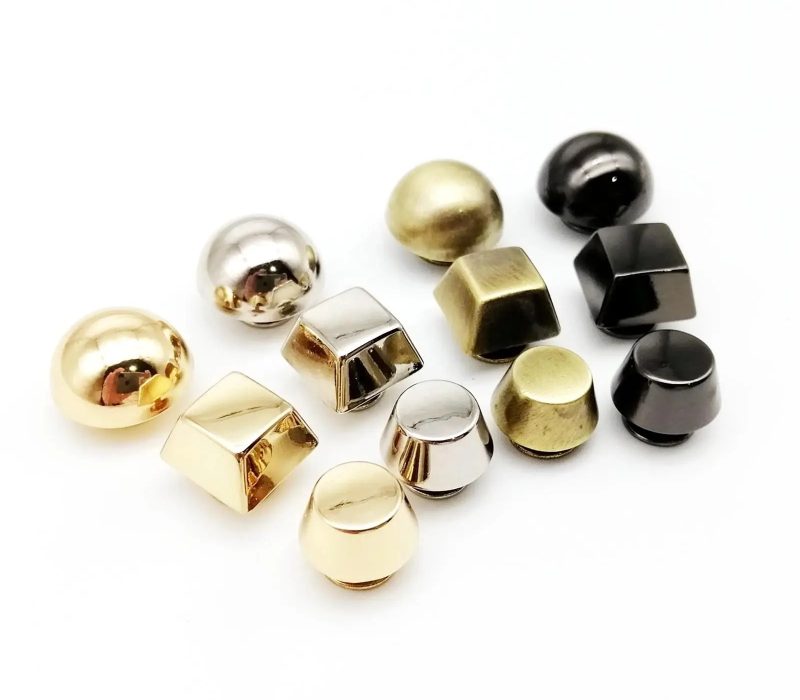
-Flat Rivets: These rivets have a smooth surface and are typically used when you want the hardware to blend seamlessly with the material. They’re less noticeable but still functional. Flat rivets are often used in minimalist designs or bags where a clean look is important. For example, many high-end leather bags, like those from Coach or Mulberry, often use flat rivets to reinforce the handle attachments without drawing attention to the hardware.
-Dome Rivets: Dome rivets have a rounded, protruding head, which makes them stand out more than flat rivets. This type of rivet is ideal when you want to create an edgy or more industrial look. Dome rivets are commonly found on backpacks or military-style bags. A good example is Fjällräven’s Kånken backpacks, which often feature dome rivets along the straps for added durability and a bold design.
-Decorative Rivets: As the name suggests, decorative rivets are used primarily for their appearance. These rivets often come in a variety of shapes and designs, such as star, flower, or pyramid shapes. They’re commonly used in **fashion-forward accessories where the rivet itself becomes a part of the overall design. For instance, Studded bags from Alexander Wang frequently feature decorative rivets to enhance their modern, rebellious look.
6.2 Best for: Reinforcing Stress Points or Adding Visual Interest
-Reinforcing Stress Points: Rivets are often placed at key stress points such as bag handles, straps, or where the bag’s body meets the seams. For example, leather handbags often use rivets around the handle attachment to ensure the bag can carry heavy loads without tearing. This is especially important in leather bags designed to hold a lot of weight, like tote bags or work bags. Brands like Tory Burch and Kate Spade incorporate rivets at the base or corners of their totes to prevent these areas from becoming weak with regular use.
-Adding Visual Interest: Decorative rivets serve as a fashion-forward accent that elevates the design of the bag. Whether it’s a denim tote or a leather backpack, rivets can add texture and dimension to otherwise plain materials. For example, denim bags often feature rivets to mimic the look of classic jeans, while vintage-style bags use them as a nod to old-school craftsmanship.
6.3 Considerations: Placement, Ease of Attachment
-Placement: Placement is crucial to both the durability and aesthetics of the bag. For instance, placing rivets near the edges of straps or corners can help distribute weight and prevent the fabric or leather from stretching or tearing. However, improper placement, such as placing rivets too close to seams, can cause damage to the material over time. It’s also important to ensure that rivets are placed symmetrically for visual balance.
-Ease of Attachment: Rivets can be attached using various methods, such as manual hand-setting or machine riveting. The ease of attachment depends on the material and the rivet style. For example, leather rivets require a different technique than those used on denim or canvas. Additionally, rivets with decorative elements, such as those in high-end designer bags, may require more precision to ensure they stay intact through regular use.
6.4 Popular in: Leather Bags, Backpacks, Denim Totes
-Leather Bags: Leather bags often feature rivets to enhance both functionality and design. High-end designer leather bags, such as Louis Vuitton’s Neverfull or Chloé’s Marcie, frequently use rivets for structural reinforcement. These rivets help the bag maintain its shape and prevent damage from daily wear and tear.
-Backpacks: Backpacks, especially those designed for outdoor or military-inspired looks, use rivets for extra durability. Tactical backpacks from brands like North Face and Patagonia are prime examples, with rivets securing the straps and corners to ensure the bag can handle heavy use.
– Denim Totes: Rivets are also a key feature in denim totes, where they enhance the bag’s durability and give it a stylish, casual flair. Rivets in these bags often mimic the look of denim jeans, making them a great choice for fashion-forward, everyday use. Many brands, such as Levi’s or Diesel, use rivets in their denim totes to add an edgy detail to the design.
Advantages:
– Rivets are very strong. They hold materials together permanently.
– They are good for heavy-duty items. For example, rivets are used in jeans and leather goods.
– Rivets can be decorative. They add a unique look to products.
Disadvantages:
– Rivets are hard to remove. If you need to fix something, it can be challenging.
– They can be expensive. High-quality rivets cost more than other fasteners.
– Rivets may require special tools. You often need a rivet gun to install them.

7. Grommets
7.1 Types: Plain, Reinforced, Eyelet
-Plain Grommets: These are simple metal rings, usually made of brass, aluminum, or steel, used to reinforce holes without adding extra design flair. Plain grommets are often used in functional bags where the focus is on durability and practicality. For example, sailor-style bags or canvas totes often feature plain grommets at strap attachment points to prevent wear and tear. Brands like LL Bean use plain grommets in their classic boat and tote bags to make sure the handles stay securely attached.
-Reinforced Grommets: Reinforced grommets have an additional layer or stronger material, usually a double-thick construction, making them ideal for bags that undergo heavy use. These grommets are more durable and can handle stress better than plain grommets. For instance, tactical backpacks or luggage often feature reinforced grommets where straps or handles are attached, ensuring these areas can bear the weight. The North Face and Carhartt backpacks often include reinforced grommets in places that will face more pressure, like shoulder strap points.
-Eyelet Grommets: Eyelet grommets are small, often decorative grommets that feature a circular design with a flange around the edge. These grommets are typically used to add a touch of elegance or modernity to bags while still maintaining their functional purpose. Eyelet grommets are commonly used in designer handbags and fashion-forward totes to add detail without compromising on the strength needed to hold straps. For example, Michael Kors and Tory Burch often use eyelet grommets in their bags for both functional and decorative purposes, making them stand out as a design feature.
7.2 Best for: Strengthening Holes for Straps or Decorative Elements
-Strengthening Holes for Straps: Grommets are primarily used to reinforce the holes where straps are attached. Bags that carry a lot of weight, such as sports bags or backpacks, need this added reinforcement to ensure the straps don’t tear through the fabric. For example, gym bags from brands like Under Armour and Nike often use grommets at the point where the handles or shoulder straps are attached to the bag, ensuring that the weight is distributed evenly without damaging the material.
-Decorative Elements: Beyond function, grommets also serve as a way to add style to a bag. Fashion handbags frequently use grommets as a visual element. They are often arranged in patterns, such as rows or scattered designs, to create a modern, edgy look. A great example is Michael Kors’ Mercer or Rebecca Minkoff’s studded bags, which frequently incorporate grommets for an added **rock-inspired aesthetic. These bags mix practicality with high fashion, using grommets to enhance the bag’s visual appeal.
7.3 Considerations: Size and Material Compatibility
-Size: Grommet size should correspond to the thickness and durability of the material in which they are placed. If the grommet is too large, it can make the hole too big, weakening the material. Conversely, a grommet that is too small may not provide enough reinforcement. For example, leather bags may require smaller grommets to maintain the bag’s sleek appearance, while canvas or nylon bags can accommodate larger, bulkier grommets without disrupting the overall design.
-Material Compatibility: The material of the bag and the grommet must be compatible to ensure durability. For example, a steel grommet works well with thicker fabrics like leather or canvas, but might not be suitable for synthetic materials like PVC or vinyl. On the other hand, aluminum grommets are lighter and often used for bags made from softer or thinner materials. If the grommet material is not properly matched to the bag’s material, it could result in premature wear or failure. For instance, cotton bags often feature brass grommets, while canvas beach bags tend to use reinforced plastic grommets that better match the lightweight, flexible nature of the fabric.
7.4 Popular in: Handbags, Sports Bags, Beach Bags
-Handbags: Designer handbags often feature grommets as a decorative and functional element. For example, Chloé’s Nile bag features oversized eyelet grommets around the handle, adding a unique touch to its luxury design. These bags are typically designed for both fashion and function, with grommets reinforcing attachment points for handles and adding a distinct visual detail to the bag’s overall look.
-Sports Bags: Grommets are essential in sports bags, where durability is key. The holes where straps attach to the body of the bag are often reinforced with grommets to withstand heavy use, such as the weight of gym equipment or sports gear. Adidas and Under Armour use grommets to strengthen these areas, ensuring that the bags can carry heavy loads without wearing down at critical stress points.
-Beach Bags: Beach bags often use grommets to provide extra durability where ropes or straps are attached, as well as to allow air circulation to prevent moisture buildup. Grommets in beach bags also serve a decorative function, adding a nautical or summery touch. For instance, L.L.Bean’s Beach Totes are known for their use of grommets, both to reinforce the strap attachments and as part of the design that includes nautical elements like ropes or canvas.
Advantages:
– Grommets protect holes. They prevent tearing in fabric, like on tarps.
– They are easy to install. You can use a grommet kit at home.
– Grommets can be decorative. They come in different colors and styles.
Disadvantages:
– Grommets can rust. Metal grommets may corrode over time.
– They may not hold heavy loads. A small grommet might not support a heavy curtain.
– Grommets can be difficult to remove. Once installed, they stay in place.

8. Handles and Straps
8.1 Types: Short Handles, Long Straps, Adjustable Straps, Webbing
-Short Handles: Short handles are typically used for hand-held bags like satchels or clutches. These handles are designed to allow the bag to be carried in hand or over the wrist. Short handles are ideal for those who prefer a more elegant, sophisticated style. For example, Chanel’s Classic Flap Bag and Louis Vuitton’s Alma Bag both feature short handles that provide a chic, structured look while still being functional for short-distance carrying.
-Long Straps: Long straps are commonly used for shoulder bags or crossbody bags, offering a more relaxed and convenient carrying option. These straps can be worn over the shoulder or across the body, freeing up both hands. Long straps are often found on tote bags like Kate Spade’s Margaux Tote or Coach’s City Tote, making them a practical choice for daily use when you need to carry multiple items while keeping your hands free.
-Adjustable Straps: Adjustable straps allow the user to modify the length of the strap to suit their needs, offering a custom fit. Adjustable straps are especially useful in backpacks, messenger bags, and crossbody bags where comfort is key. For example, Fjällräven’s Kånken Backpack and Tory Burch’s Perry Tote both feature adjustable straps, allowing wearers to find their ideal length for comfort and style. This feature is also commonly found in duffle bags, where you can adjust the strap depending on how the bag is carried (over the shoulder or crossbody).
-Webbing: Webbing straps are made from strong fabric, often nylon, polyester, or canvas, designed for durability and support. Webbing straps are commonly used in sports bags, gym bags, and outdoor adventure bags due to their strength and ability to bear weight. Brands like Patagonia and The North Face incorporate webbing straps in their duffle bags and hiking backpacks to ensure that the bags can carry heavy loads without breaking or wearing out.
8.2 Best for: Carrying the Bag Comfortably, Style Options
-Carrying the Bag Comfortably: The primary function of a handle or strap is to allow the user to carry the bag comfortably, particularly when it contains heavy items. For example, long straps found on tote bags like the Longchamp Le Pliage or Lululemon’s Everywhere Belt Bag are designed to distribute weight evenly across the shoulder, reducing strain during use. Adjustable straps in backpacks like Herschel’s Little America or North Face’s Recon allow users to customize the fit, ensuring that the weight is well-distributed and the bag sits comfortably on the back. Padding on straps, like in duffle bags from Under Armour and Nike, helps make carrying heavy gear more comfortable over long periods.
-Style Options: In addition to functionality, handles, and straps contribute significantly to a bag’s style. Short handles on structured bags give a more polished and sophisticated look, while long straps or adjustable straps give off a more casual or functional vibe. For example, Coach’s Willow Tote combines long straps with a modern, sleek design, while Michael Kors’ Jet Set Tote uses both short handles and long shoulder straps, offering multiple style options. Webbing straps can provide a sportier or utilitarian look, as seen in Adidas’ Originals Backpack or Patagonia’s Black Hole Duffel, giving them an adventurous, functional feel.
8.3 Considerations: Padding, Adjustability, Comfort
-Padding: Padding on handles and straps is important for comfort, especially if the bag is carrying heavy items. Padded straps are common in backpacks and messenger bags to reduce shoulder strain. For instance, The North Face’s Borealis Backpack features padded shoulder straps that make carrying heavy books or gear much more comfortable. Tote bags like Michael Kors’ Jet Set Travel Tote include padded handles to make carrying heavy contents less taxing on the hands. Padding also helps prevent the straps from digging into the skin, making it an essential feature for duffle bags or overnight bags that might be carried for long periods.
-Adjustability: Adjustable straps are crucial for finding a comfortable fit, especially for people of different body sizes or those who prefer to carry the bag in different ways. For example, Levi’s Essential Backpack features adjustable webbing straps for a custom fit, ensuring comfort no matter the wearer’s size. Adjustable straps in crossbody bags, like Coach’s Swagger 27, allow the user to switch between a shorter or longer fit depending on their preference, offering both style and comfort flexibility.
-Comfort: Overall comfort depends on the material and design of the strap. Soft materials like leather or nylon are often used for long straps on handbags and tote bags, as they provide a smooth and comfortable fit against the shoulder. On the other hand, webbing straps in sports bags or duffle bags tend to be more rigid but offer greater strength. Tactical bags from brands like 5.11 Tactical feature ergonomically designed padded straps that help evenly distribute weight, ensuring that heavy loads are more comfortable to carry.
8.4 Popular in: Tote Bags, Satchels, Duffle Bags
-Tote Bags: Tote bags, which are often used for daily tasks or shopping, usually feature long straps or short handles, making them versatile for both hand-held and shoulder use. Popular examples include Louis Vuitton’s Neverfull or Kate Spade’s Everyday Tote, both of which combine long straps with stylish designs that make them functional and fashionable. These bags are ideal for those looking for both practicality and style, and the straps are designed for comfortable carrying over the shoulder.
-Satchels: Satchels, typically smaller than totes but still spacious, often feature short handles and long shoulder straps. This combination makes them adaptable for hand-held or shoulder-carrying. Fossil’s Emma Satchel and Coach’s Tabby Satchel both feature short, sturdy handles and optional long straps, allowing the user to switch between styles based on need and preference. The adjustable straps also offer flexibility for comfort, whether carrying the bag over the shoulder or crossbody.
-Duffle Bags: Duffle bags, especially those designed for travel or sports, often use webbing straps or adjustable shoulder straps. These types of straps are durable and comfortable for carrying heavy loads over extended periods. For example, Nike’s Brasilia Duffle Bag and Adidas’ Defender III feature padded, adjustable straps for optimal comfort. These bags are designed with strength in mind, and the straps can endure the weight of gym gear or travel essentials.
Advantages:
– Handles and straps are easy to grip. They make carrying items simple.
– They come in many styles. For example, a padded strap is comfortable for bags.
– Handles can be adjustable. You can change the length for convenience.
Disadvantages:
– Handles can break. A weak handle may snap when carrying something heavy.
– Straps can slip off. A strap that is too loose can fall off your shoulder.
– They may wear out over time. Fabric straps can fray or tear.

9. Feet
9.1 Types: Round, Square, Metal, Plastic
-Round Feet: Round feet are typically small, smooth, and uniform in shape. They provide a minimalistic, sleek look and are often used in bags where subtlety is preferred. Round feet are frequently found on high-end luxury handbags, where functionality and style are equally important. For instance, Gucci’s Dionysus Bag features understated round metal feet that prevent the leather from getting scuffed when the bag is placed down. Round feet are also often used in smaller bags, like clutches or crossbody bags, where they don’t detract from the bag’s overall design but still offer protection.
-Square Feet: Square feet are typically larger than round feet and have a more noticeable, angular design. These feet are often used on larger bags or tote bags where the bag needs more support and stability when placed on surfaces. Square feet are functional, as they cover more surface area and provide additional protection against dirt or rough surfaces. Prada’s Galleria Tote features square feet that enhance its structured design while ensuring the bag’s base is protected, maintaining its shape even after frequent use.
-Metal Feet: Metal feet are the most durable and often the most visually striking. They are typically made of brass, aluminum, or stainless steel. These feet provide robust protection for the bottom of the bag and are commonly used in luxury handbags and high-end luggage. For example, Louis Vuitton’s Neverfull Tote has four metal feet at the corners, which not only protect the bag from wear but also add a polished, luxury look to the design. Metal feet are favored in designer handbags because they can withstand wear and help keep the bag in pristine condition longer.
-Plastic Feet: Plastic feet are lighter and less expensive than metal feet, but they still provide effective protection. Plastic feet are commonly found on more affordable bags and larger tote bags or travel bags where weight is a consideration. Longchamp’s Le Pliage tote features plastic feet that protect the bottom of the bag without adding unnecessary weight, making it ideal for everyday use. Plastic feet are also often used on luggage where durability and cost-effectiveness are prioritized.
9.2 Best for: Protecting the Bottom of the Bag and Improving Durability
-Protecting the Bottom of the Bag: Bags that are frequently placed on the ground are more susceptible to damage, particularly at the bottom where scuff marks, dirt, or scratches can accumulate. Feet acts as a barrier between the bag and the surface, preventing these elements from directly contacting the material. For example, luggage and travel bags, such as Samsonite’s Winfield 3 DLX collection, often feature metal feet to protect the bottom of the bag from scratches when placed on rough or dirty airport floors.
-Improving Durability: Feet can also extend the life of the bag by preventing wear on high-contact areas. They help distribute the weight of the bag when it’s placed down, preventing the fabric or leather from becoming stretched or deformed. Luxury handbags like Hermès Birkin often feature feet to maintain the bag’s shape and ensure it retains its value over time. Even tote bags from popular brands like Michael Kors or Kate Spade incorporate feet to ensure that the bag doesn’t get damaged by daily use, especially if it’s set down on various surfaces.
9.3 Considerations: Material, Style
-Material: The material of the feet should match the overall design and material of the bag. Metal feet are often preferred for high-end bags because they provide a premium look and superior durability. In contrast, plastic feet are more commonly used in bags designed for everyday use or in more budget-friendly options. For example, leather bags from brands like Michael Kors or Coach might feature metal or brass feet to complement the bag’s luxurious feel. On the other hand, canvas or nylon bags typically use plastic feet or rubber feet, which are cost-effective and provide adequate protection without adding extra weight.
-Style: The style of the feet should also align with the aesthetic of the bag. For example, round metal feet are more subtle and often used in elegant or minimalist designs. On the other hand, square metal feet are used in bags that emphasize structure and strength. The placement of the feet is also a style consideration — some bags feature four feet at the corners (as seen on Louis Vuitton and Chloé bags), while others may have two feet in the center. Designers choose placements and styles of feet based on the overall look they want to achieve.
9.4 Popular in: Luxury Handbags, Luggage, Tote Bags
-Luxury Handbags: Luxury handbags like those from Louis Vuitton, Chanel, and Hermès often feature feet as a way to maintain the bag’s pristine condition. These bags are usually made of high-quality materials like leather, suede, or canvas, and metal feet help protect these materials from scratches, dirt, and wear. Louis Vuitton’s Neverfull, for example, has four metal feet that preserve the base of the bag, helping it maintain its high-end appearance even after being placed on various surfaces.
-Luggage: Luggage bags and travel bags often have feet for durability and protection. Samsonite’s Cosmolite and Rimowa’s Essential Cabin bags feature reinforced metal feet that keep the luggage from getting damaged when it’s set down at the airport or hotel. These feet protect the corners, which are the most vulnerable areas of a suitcase, and prevent scuffing and other damage that can occur during travel.
-Tote Bags: Tote bags, particularly those designed for work or shopping, often come with feet to keep the bottom from getting damaged. Michael Kors’s Jet Set Tote and Tory Burch’s Perry Tote are examples of high-end tote bags that include feet. These totes are made of leather or durable fabric, and the feet prevent the bag from getting scuffed when placed on the ground during daily use. The feet also maintain the bag’s structure, ensuring it doesn’t lose its shape after regular use.
Advantages:
– Feet protect surfaces. They keep furniture from scratching floors.
– They provide stability. Feet help items stand upright, like tables.
– Feet come in various materials. Rubber feet are common for electronics.
Disadvantages:
– Feet can wear down. They may need to be replaced after heavy use.
– They can collect dirt. Dust can build up under furniture feet.
– Feet may not be adjustable. Some items cannot be leveled if the feet are fixed.
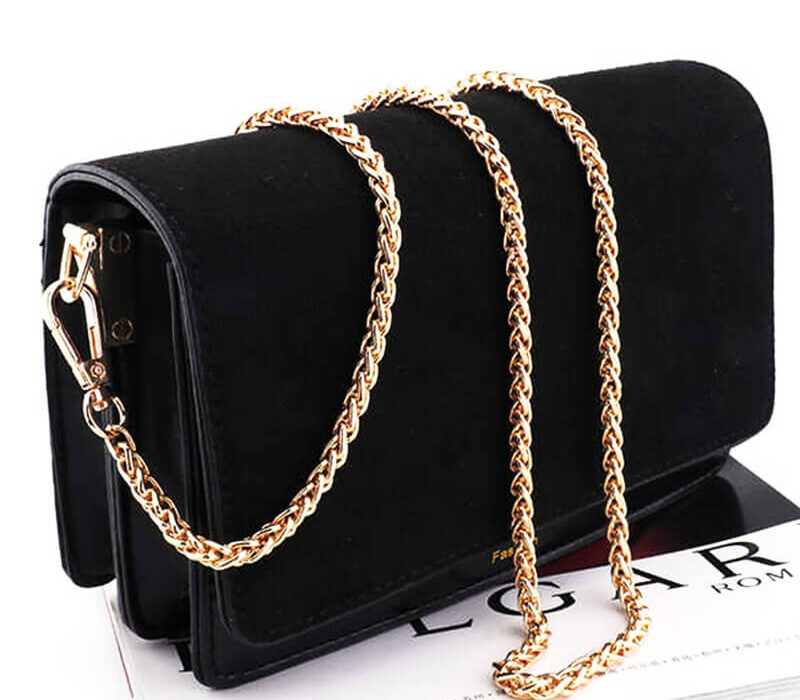
10. Chains
10.1 Types: Linked, Curb, Box, Rope
-Linked Chains: Linked chains are made up of individual links that are typically connected by small rings or loops. These links can vary in size and shape, giving the chain its unique look and feel. Linked chains are commonly found on crossbody bags and shoulder bags. For example, the iconic Chanel 2.55 bag features a linked chain strap, with elegant metal links providing a timeless design. Linked chains are versatile because they can be tailored in length and style, making them a popular choice for designers who want to add an element of flexibility and refinement.
-Curb Chains: Curb chains are made up of flat, interlocking links that are twisted or curved in shape, lying flat against each other. This type of chain has a smooth, sleek look and is known for its durability. Curb chains are often used in luxury handbags because they offer a polished and sophisticated appearance. Louis Vuitton’s Petite Malle features a curb chain strap, providing both a functional and luxurious detail to the bag. The flat nature of curb chains makes them very comfortable to wear, especially when worn on the shoulder or across the body.
-Box Chains: Box chains are made from square links that interlock in a uniform grid-like pattern, creating a smooth and structured appearance. These chains are usually more rigid compared to linked or curb chains, giving them a clean, modern look. Box chains are often used in evening bags or luxury handbags because of their geometric and refined design. For instance, Gucci’s GG Marmont Mini uses a box chain strap to create a structured silhouette that enhances its upscale aesthetic. The rigidity of the box chain provides an elegant edge, making it ideal for more formal occasions.
-Rope Chains: Rope chains are made from intertwined, spiral-shaped links, giving them a twisted, braided appearance. These chains are often thicker and more textured than other types, which can make them a statement piece. Rope chains are often used for evening bags or bags intended to make a bold fashion statement. For example, Prada’s Cahier Bag uses a rope-style chain for a luxurious, intricate design that adds both texture and visual interest to the overall look of the bag. The thickness of a rope chain can sometimes make it heavier, which should be considered depending on the bag’s intended use.
10.2 Best for: Adding a Touch of Sophistication and Versatility
-Adding Sophistication: Chains, particularly metallic ones made of gold, silver, or brass, bring a refined and luxurious touch to a bag. High-end fashion houses, such as Chanel, Gucci, and Louis Vuitton, often use chains to add a sense of elegance to their designs. For example, Chanel’s 2.55 Flap Bag is known for its signature chain strap, which combines both functionality and glamour. The interwoven chain adds a sophisticated look, making it perfect for both formal and casual events. Similarly, Gucci’s Dionysus bag features a linked chain strap with a distinct, luxurious feel, making it a statement piece for upscale occasions.
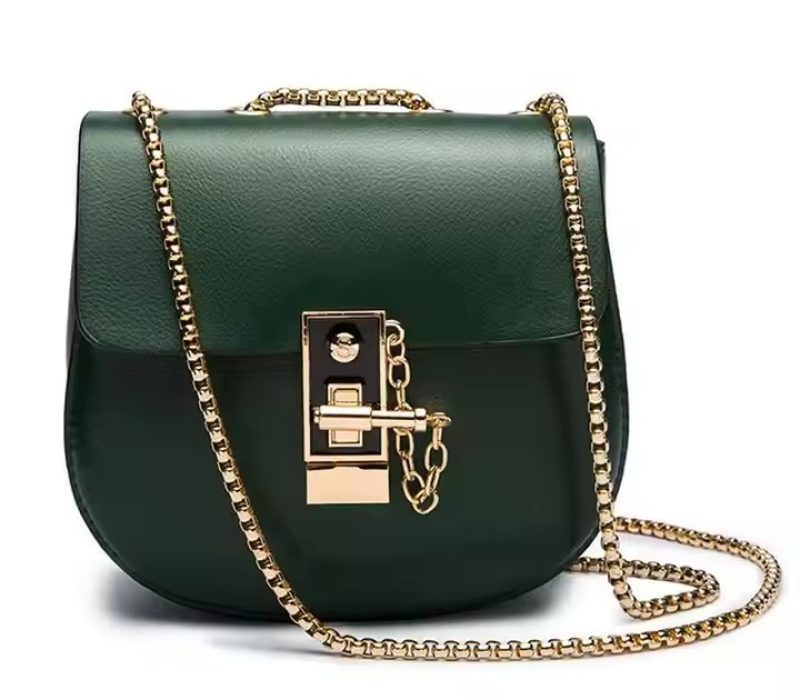
-Adding Versatility: Chains also make bags more versatile by allowing the user to adjust the carrying style. Many bags with chains can be worn in multiple ways, such as on the shoulder, as a crossbody, or even doubled up for a shorter strap. For instance, Chloé’s Drew Bag uses a chain strap that can be adjusted depending on the wearer’s preference, making it suitable for various occasions. The multi-length functionality of chains makes them ideal for those looking for bags that can transition seamlessly from day to night or from casual to formal settings.
10.3 Considerations: Length, Style, Weight
-Length: The length of the chain plays a significant role in how the bag is worn. A long chain allows the bag to be worn as a crossbody, making it ideal for hands-free use. On the other hand, a short chain is typically used for shoulder bags, creating a more classic, elegant look. For example, Saint Laurent’s Kate Bag uses a short chain that makes it perfect for wearing over the shoulder, while Chanel’s Boy Bag can be adjusted to be worn crossbody, thanks to its longer chain strap. Choosing the right length based on how you want to carry the bag is essential for both comfort and style.
-Style: The style of the chain should complement the overall design of the bag. A bold, rope chain works best with bags that have a more casual or edgy vibe, while sleek, curb chains or box chains are better suited for formal, high-end bags. For example, Prada’s Cahier Bag pairs perfectly with a rope chain, which enhances its vintage-inspired design. Conversely, a box chain like the one on Gucci’s Marmont bag aligns with the clean, structured aesthetic of the brand’s signature GG logo, adding sophistication and a modern touch. Choosing the appropriate chain style ensures that it matches the bag’s overall personality and functionality.
-Weight: Chains can add significant weight to a bag, which is an important consideration, especially for crossbody bags or evening bags that are carried for extended periods. Metal chains, in particular, can be heavier than fabric straps, so it’s essential to balance style with comfort. For example, Chanel’s Classic Flap Bag has a metal chain strap, which is elegant but can feel heavy after long periods of wear. On the other hand, Longchamp’s Le Pliage uses a lightweight nylon strap to offer the same versatility without the added weight. Opting for a lightweight chain or a hybrid strap (such as a leather and chain combination) can mitigate this issue while still maintaining the design’s elegance.
10.4 Popular in: Crossbody Bags, Evening Bags, and Luxury Handbags
-Crossbody Bags: Crossbody bags often feature chains because they allow the bag to be carried comfortably while leaving the hands free. Chanel’s 2.55 Flap Bag, a timeless classic, is a prime example of a crossbody bag with a chain strap that adds elegance and practicality. Similarly, Furla’s Metropolis Crossbody uses a sleek chain strap that complements its minimalist design, making it both stylish and functional for everyday use.
-Evening Bags: Chains are often used in evening bags for their sophisticated appearance and ability to be worn in different styles. Many clutch bags and mini handbags feature chains to allow them to be worn over the shoulder or as a crossbody during formal events. For instance, Bvlgari’s Serpenti Bag comes with a long, sleek chain strap, perfect for evening wear, adding a layer of luxury to the elegant design.
-Luxury Handbags: Luxury handbags from high-end designers often incorporate chains as part of their signature style. Louis Vuitton’s Twist PM and Gucci’s Marmont Collection both feature prominent chain straps that emphasize their luxury appeal. These bags use chains not just for practicality but also as a signature style element, contributing to the brand’s iconic look.
Advantages:
-Chains are strong. They can hold heavy items securely.
-They are flexible. You can use chains in various applications, like securing bikes.
-Chains come in many styles. Decorative chains are used in jewelry.
Disadvantages:
-Chains can rust. Metal chains need proper maintenance to avoid corrosion.
-They can be heavy. A thick chain can add weight to items.
-Chains may tangle easily. This can make them hard to store.
11. Locks
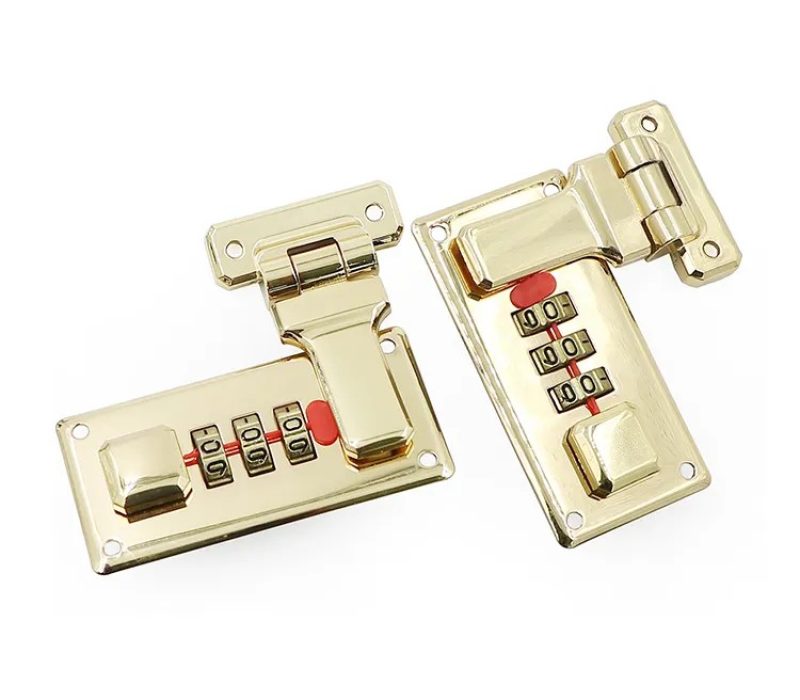
11.1 Types: Combination Locks, Key Locks, Padlocks
-Combination Locks: Combination locks operate through a dial or set of numbers that must be aligned in the correct order to open the lock. These locks are popular for bags where you might need easy, keyless access while still maintaining security. Combination locks are often used in luggage or backpacks for added security without the need for a physical key. For instance, many Samsonite suitcases, such as the Samsonite Winfield 3 DLX, feature built-in TSA-approved combination locks. These locks are convenient for travelers, as they allow airport security to open the bag using a master key, while the owner can still set their own unique combination for safety.
-Key Locks: Key locks are traditional locking mechanisms that require a physical key to unlock. These locks are simple to use but may be less convenient if the key is lost. However, they still offer robust security. Key locks are commonly seen on luxury handbags, briefcases, and travel bags. For example, Louis Vuitton’s Alma BB features a key lock that secures the bag’s zipper, ensuring that personal items are kept safe and secure. Briefcases and attached cases often use key locks for added security, ensuring that sensitive documents or business materials are safe during travel.
-Padlocks: Padlocks are small, portable locks that are often used to secure the zippers or openings of bags. These locks usually have a combination or a key mechanism, but the key difference is that they are not permanently attached to the bag and can be removed for easier access. Padlocks are frequently used on travel bags and backpacks, particularly those that need additional security. For instance, Tumi’s Alpha 3 Expandable Briefcase can be equipped with a padlock for extra security when traveling. Similarly, high-end travel bags like Away’s Bigger Carry-On can use padlocks to safeguard the contents during trips, giving travelers peace of mind while on the go.
11.2 Best for: Enhancing Security and Privacy
-Enhancing Security: Bags used for business, travel, and high-value goods often feature locks to protect against theft or unauthorized access. For example, briefcases designed for professionals, like the Montblanc Meisterstück Briefcase, come equipped with a key lock to keep documents and other important items safe. Similarly, travel bags such as Samsonite’s Winfield 3 DLX come with built-in combination locks that allow travelers to secure their belongings without worrying about theft while traveling.
-Privacy Protection: In addition to preventing theft, locks also provide privacy by keeping personal belongings confidential. For instance, travel bags designed for business trips may feature locks to protect confidential documents from prying eyes. Tumi’s Alpha Bravo collection includes padlocks for this purpose, ensuring that business travelers can safely store their sensitive materials while on the road. Similarly, backpacks designed for tech users often include locks to secure laptops or electronics that contain valuable information.
11.3 Considerations: Durability, Locking Mechanism
-Durability: The material and build quality of the lock are crucial for its effectiveness. Locks made from stainless steel or hardened brass are much more durable than those made from plastic or soft metals. A durable lock will resist tampering and wear, maintaining its functionality over time. For example, Tumi bags are known for their high-quality locks, which are hardened steel to resist cutting or damage. This is essential for travel bags that may be exposed to rough handling at airports or during transport.
-Locking Mechanism: The type of locking mechanism can significantly impact a lock’s ease of use and security level. Combination locks are convenient because they don’t require a key, but they may be easier to bypass if not properly designed. Key locks offer more traditional, straightforward security, but losing the key can be problematic. Padlocks, on the other hand, offer a mix of convenience and security, especially when attached to zippered compartments or luggage straps. For example, Tumi travel bags often come with both a key lock for the main compartment and a combination padlock for external zippers, ensuring that all compartments are secured.
11.4 Popular in: Briefcases, Travel Bags, Backpacks
-Briefcases: Briefcases often incorporate locks to protect documents and laptops. Business professionals who carry sensitive materials benefit from the added security of a lock. For instance, Montblanc’s Meisterstück Briefcase uses a key lock to secure its interior compartments, offering both protection and peace of mind. Similarly, Samsonite’s Pro-DLX 5 Business Laptop Bag includes a combination lock for safeguarding valuable electronics and documents during travel.
-Travel Bags: Travel bags, particularly luggage and carry-on bags, often come with built-in locks to keep the contents safe during transit. Samsonite’s Cosmolite collection features built-in TSA-approved locks, allowing airport security to inspect the bag without damaging the lock while providing security to the traveler. Similarly, Away’s Bigger Carry-On offers built-in combination locks to prevent unauthorized access while keeping the bag’s contents secure.
-Backpacks: Backpacks, especially those designed for tech users or travelers, also feature locks to protect valuable items such as laptops or electronics. For example, Nomatic’s Backpack includes a lockable zipper system, allowing users to secure their belongings and protect against theft. Similarly, Pacsafe’s Anti-theft Backpack features a built-in lock system with interlocking zippers for added security, particularly in crowded environments like airports or public transportation.
Advantages:
-Locks provide security. They keep items safe from theft.
-They are easy to use. You can quickly lock and unlock them.
-Locks come in many types. For example, combination locks are common for lockers.
Disadvantages:
-Locks can be picked. A skilled thief can open some locks.
-They may malfunction. A lock can jam or break, leaving you locked out.
Locks can be expensive. High-security locks cost more than standard ones.
12. Carabiners
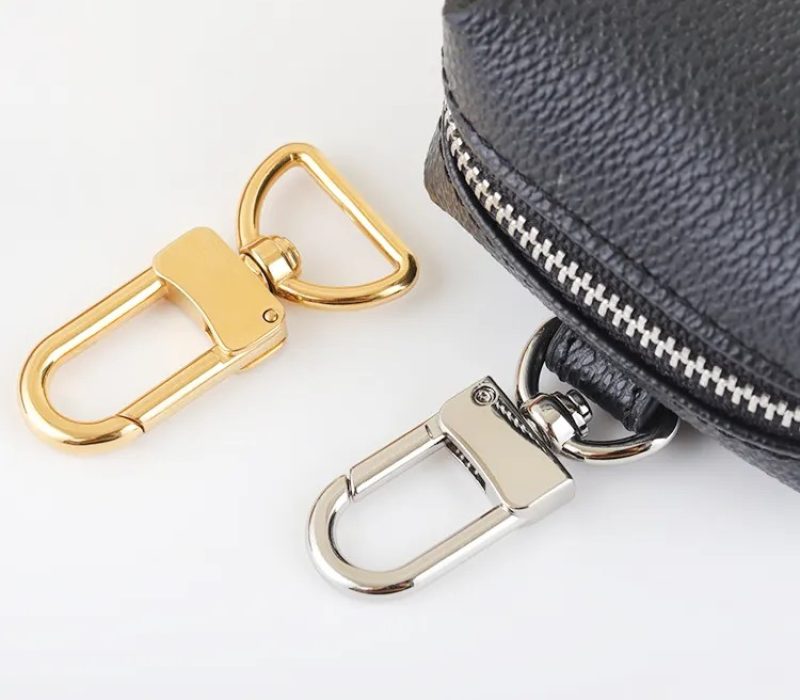
12.1 Types: Straight Gate, Locking Gate, Snap Hook
-Straight Gate: The straight gate carabiner is the simplest and most commonly used type. It features a straight gate that opens and closes without any additional locking mechanism. This type of carabiner is best for quick attachment and detachment of accessories without the need for extra security. Straight gate carabiners are often used in outdoor bags for attaching gear like water bottles, hats, or flashlights. For example, Osprey’s hiking backpacks frequently include straight gate carabiners on the exterior, allowing users to easily clip a water bottle holder or sleeping bag to the pack. These carabiners are typically lightweight and easy to use, making them ideal for non-critical uses where safety is not a primary concern.
-Locking Gate: The locking gate carabiner comes with an additional locking mechanism, which ensures that the gate stays securely closed and cannot accidentally open. This type is more secure and is commonly used in tactical bags, camera bags, or travel bags where security is a priority. For example, the Black Diamond RockLock locking carabiner features a screw-locking gate that prevents it from opening during high-motion activities, ensuring that essential items like camera gear or keys remain safely attached to the bag. Locking gate carabiners are ideal for activities where there’s potential for movement or jostling, such as hiking or rock climbing, where items could become dislodged from a bag without proper security.
-Snap Hook: The snap hook carabiner features a spring-loaded mechanism that makes it easy to attach items quickly. Unlike the straight gate, the snap hook opens and closes automatically with a spring mechanism, offering a quick yet secure way to attach accessories. Snap hook carabiners are popular in tactical bags, where they are used to hold items like keys, multitools, or flashlights. For example, 5.11 Tactical backpacks frequently incorporate snap hook carabiners to hold small items on the exterior of the bag for easy access. The snap hook design makes it especially useful for busy individuals who need quick and easy attachment without the hassle of locking or twisting mechanisms.
12.2 Best for: Attaching Items Quickly, Hanging Accessories
-Attaching Items Quickly: Carabiners are ideal for attaching and detaching gear quickly. For outdoor enthusiasts or travelers, straight gate and snap hook carabiners allow for rapid attachment of items like water bottles, small bags, or gear to the outside of backpacks. For example, Patagonia’s Black Hole Backpack uses straight gate carabiners to clip trekking poles or extra gear on the outside of the bag, ensuring quick access during hikes or treks. The ease with which you can clip and unclip items allows for hassle-free organization, especially when on the move.
-Hanging Accessories: Carabiners are perfect for hanging accessories like keychains, flashlights, or small bags to the outside of a backpack. This feature is highly valued by photographers, hikers, and campers who often need to carry extra gear or tools. Camera bags, such as those from Lowepro or Peak Design, frequently feature carabiners for hanging camera straps, lens pouches, or even tripods. The ability to hang items outside of the bag helps save internal space and makes it easier to access items quickly. Tactical bags like those from Maxpedition also use carabiners to keep tools like knives or flashlights securely attached while maintaining easy access during tactical situations.
12.3 Considerations: Strength, Locking Mechanism
-Strength: The strength of a carabiner refers to its ability to withstand pressure or weight without breaking or failing. For outdoor bags or tactical bags, it’s crucial to select a carabiner made from high-strength materials like aluminum or stainless steel to ensure it can support the weight of attached items. For example, the Mammut Crag Lock carabiner is made from hardened steel for extra strength, which makes it suitable for carrying heavier loads such as climbing gear or tactical equipment. The strength of the carabiner is particularly important when carrying gear that could be subjected to high forces or environmental stress.
-Locking Mechanism: Depending on the intended use, the locking mechanism of the carabiner can either be a screw-lock, a twist-lock, or a spring-loaded snap hook. A locking gate carabiner with a screw-lock or twist-lock provides enhanced security for camera gear or tactical tools, preventing accidental detachment. On the other hand, a snap hook offers quick access but might be less secure for valuables. When choosing a carabiner, it’s important to consider what you’ll be attaching and whether security or speed of access is more critical for your needs. For example, a snap hook carabiner is great for attaching lightweight items like keychains to your bag, while a locking gate carabiner is ideal for securing tools or expensive gear.
12.4 Popular in: Outdoor Bags, Camera Bags, Tactical Bags
-Outdoor Bags: Outdoor bags, such as hiking backpacks and camping gear bags, often feature carabiners to allow users to quickly attach items like water bottles, sleeping bags, or poles. For example, Osprey’s Atmos AG Backpack includes multiple carabiner loops on the exterior, perfect for attaching extra gear during hikes. These bags are designed with convenience and flexibility in mind, and carabiners add to that by providing quick-access attachment points on the go.
-Camera Bags: Camera bags, which need to accommodate a variety of gear like lenses, tripods, and straps, often incorporate carabiners to hold smaller items or gear externally. For instance, Lowepro’s ProTactic 450 AW camera backpack features carabiners on the straps for hanging a flashlight, lens pouch, or camera strap. This ensures that photographers can have their essential tools easily accessible without digging through the main compartments.
-Tactical Bags: Tactical bags are designed for durability and functionality, and carabiners are often used to carry items like flashlights, knives, and first-aid kits. Maxpedition’s Jumbo Versipack, a popular tactical bag, uses carabiners for external attachment points for multi-tools or small accessories. These bags are built for high-demand environments where gear needs to be readily accessible and securely fastened.
Advantages:
-Carabiners are strong. They can hold a lot of weight, making them useful for climbing.
-They are easy to use. You can quickly clip and unclip them.
-Carabiners come in many sizes. You can find them for different activities.
Disadvantages:
-Carabiners can open accidentally. A faulty lock can lead to dropped items.
-They may wear out. Frequent use can weaken a carabiner.
-Carabiners can be heavy. Some designs add extra weight to gear.
13. Tassels, Charms, and Pendants
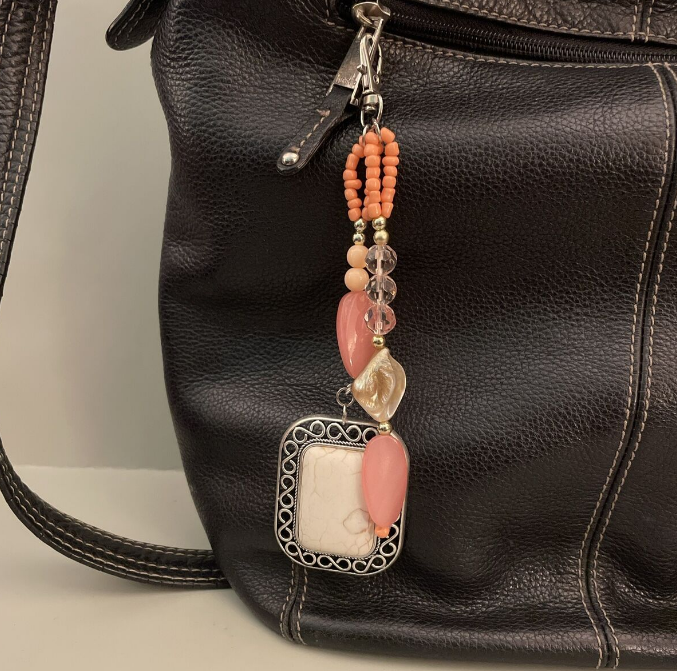
13.1 Types: Leather, Metal, Fabric, Beaded
-Leather Tassels: Leather tassels are often made from soft, high-quality leather and are popular for adding a luxurious and bohemian vibe to bags. Leather tassels are durable and flexible, making them suitable for both casual totes and more refined handbags. For instance, Michael Kors often incorporates leather tassels into their Jet Set and Selma collection, using them as accents to add a playful, yet sophisticated look. Leather tassels come in various lengths and can be attached to zippers, straps, or key rings, giving the bag a textured and elegant appearance.
-Metal Charms: Metal charms are a great way to add an edgy or polished touch to a bag. They are made from metals like brass, gold, silver, or copper, and can be shaped into various forms, such as logos, symbols, or abstract designs. For example, Chanel frequently includes gold metal charms in their bags, often with the brand’s iconic CC logo or other signature designs. These metal charms are durable and can withstand frequent handling, making them perfect for luxury handbags or statement bags. They often serve as a status symbol as well, signifying the designer brand associated with the bag.
-Fabric Tassels: Fabric tassels are made from various types of textiles such as cotton, silk, or polyester, and are used to add a softer, more artisanal feel to bags. These tassels are especially popular in boho-chic or summer collections. For example, Anthropologie features fabric tassels in vibrant, multi-colored fabrics on handbags and clutches, giving the bags a laid-back, artistic vibe. Fabric tassels can also be lightweight, making them a great option for bags that need an added flair without adding too much weight.
-Beaded Pendants: Beaded pendants are intricate decorative accessories made from beads, pearls, or crystals and are used to create sparkling or ethnic-inspired designs. Beaded pendants are often handcrafted and can add a glamorous or exotic touch to a bag. For example, Free People’s collection of handbags often includes beaded tassels and pendants, which add a bohemian flair to their designs. Beaded pendants are frequently attached to clutches or evening bags, where they can catch the light and add an elegant pop of shine to formal or festive occasions.
13.2 Best for: Adding Decoration, Personalization
-Adding Decoration: These decorative elements can instantly transform a simple bag into something more eye-catching. Tassels and charms can turn a basic tote into a fashion-forward statement piece. For instance, Kate Spade often uses whimsical charms, such as fruit-shaped or animal-shaped designs, to decorate their bags, making them fun and vibrant. Whether it’s a leather tassel that adds a boho chic look or a beaded pendant that offers a glamorous shine, these accessories are ideal for those looking to make a bag stand out.
-Personalization: Tassels, charms, and pendants also allow for personal expression. They allow users to attach items that reflect their personality, hobbies, or interests. Charms shaped like stars, hearts, or initials are particularly popular for personalizing handbags. For example, Tory Burch’s collection includes charm sets that can be attached to tote bags and crossbody bags, allowing customers to customize their bags to match their aesthetic. These personalized touches make the bag feel more unique and can make it stand out as a one-of-a-kind item.
13.3 Considerations: Style, Durability
-Style: The style of the tassels, charms, or pendants should complement the overall aesthetic of the bag. For luxury handbags, metal charms or monogrammed pendants are often used to match the bag’s refined, high-end look. On the other hand, for casual totes or statement bags, a leather tassel or beaded pendant may be more appropriate to add a fun or playful touch. For example, Gucci’s Dionysus bags feature metal charms with their signature designs to maintain a more polished, upscale look, while Coach often incorporates beaded pendants and tassels for a more contemporary, laid-back feel.
-Durability: Durability is essential, especially for items like tassels or charms that will be handled frequently. Leather tassels are typically durable and can withstand wear and tear, making them ideal for bags that will be used regularly. Metal charms are also durable but should be checked for potential scratching or tarnishing over time. Beaded pendants, though visually striking, can be more fragile and may require more careful handling. Fabric tassels, while lightweight and soft, may be more prone to fraying or losing shape over time, especially if exposed to moisture or heavy use. When selecting these accessories, it’s essential to match the material’s durability with the intended use of the bag.
13.4 Popular in: Handbags, Casual Totes, Statement Bags
-Handbags: Handbags, especially those designed for luxury or designer brands, often feature metal charms or leather tassels to add an elegant or signature touch. For example, Louis Vuitton’s Neverfull and Fendi’s Peekaboo bags often have signature charms or pendants that match the brand’s iconic designs. These accessories help reinforce the brand’s identity while giving the bag an added sense of luxury and personality.
-Casual Totes: Casual totes often feature fabric tassels or beaded pendants to add a fun, bohemian, or relaxed look. For example, Anthropologie offers a range of casual tote bags with fabric tassels and beaded charms that emphasize a carefree, summery vibe. These bags are designed for daily use, and the added decorative elements help make them feel unique and fashionable.
-Statement Bags: Statement bags, which are meant to be bold and eye-catching, often feature large tassels, charms, and pendants. These bags are typically designed to stand out, and the embellishments are used to make a statement. Chanel and Miu Miu are known for incorporating luxury metal charms into their statement bags, while Kate Spade often uses whimsical and fun charms to add a playful element to their designs.
Advantages:
-Tassels and charms add style. They make items like bags and clothing more attractive.
-They are customizable. You can choose different colors and designs.
-Tassels can be functional. They can help with opening or closing items.
Disadvantages:
-They can get tangled. Long tassels may catch on things.
-Charms can break easily. A delicate charm may fall off and get lost.
-They may not suit all styles. Some people prefer simpler designs.
14. Adjustable Fasteners
14.1 Types: Velcro, Snap-On, Hook-and-Loop Fasteners
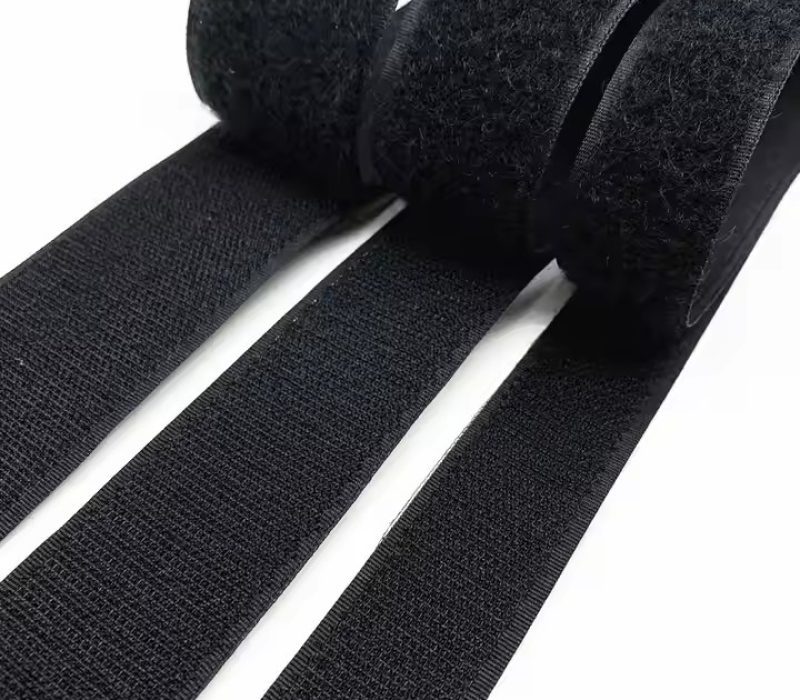
-Velcro: Velcro is one of the most widely used adjustable fasteners, made up of two fabric strips—one with tiny hooks and the other with loops—that adhere when pressed together. Velcro fasteners are lightweight, easy to use, and ideal for bags for children or sports bags, where quick adjustments are needed. For example, Skip Hop’s children’s backpacks often feature Velcro straps, allowing parents to adjust the fit for growing kids. Velcro is also commonly used in gym bags, where it helps secure straps or flaps while remaining easy to open and close during workouts.
-Snap-On Fasteners: Snap-on fasteners are small, mechanical closures made from metal or plastic, designed to snap into place with minimal effort. These are popular in backpacks and sports bags, offering a secure closure that can withstand heavier loads. For instance, The North Face Recon Backpack includes snap-on fasteners for its chest strap, which helps stabilize the load while allowing for easy, one-handed adjustment. Snap-on fasteners are durable and reliable, making them ideal for outdoor or high-activity scenarios.
-Hook-and-Loop Fasteners: Hook-and-loop fasteners function similarly to Velcro but are often more robust and versatile. These fasteners are frequently used in tactical bags and outdoor gear, where they need to hold heavier items securely while allowing quick and smooth adjustments. For example, 5.11 Tactical’s RUSH backpacks use hook-and-loop fasteners for attaching additional pouches or securing straps, ensuring that items stay in place even during intense activity.
14.2 Best for: Customizing Fit, Offering Easy Adjustments
-Customizing Fit: These fasteners allow users to tailor the bag to their body size or comfort preferences. For instance, backpacks with adjustable Velcro or snap-on straps enable users to shorten or lengthen the straps to suit their torso length or carrying style. Children’s bags, such as those by Pottery Barn Kids, feature Velcro fasteners on their straps, making it easy for parents to adjust the bag to fit their growing child.
-Offering Easy Adjustments: Adjustable fasteners are ideal for situations where quick and frequent changes are required. In sports bags, for example, Velcro or hook-and-loop closures make it easy to access compartments without fumbling. Adidas’ Defender III Duffel Bag uses Velcro fasteners to secure its straps, allowing athletes to adjust the bag quickly during practice or travel.
14.3 Considerations: Strength, Adjustability
-Strength: The durability of the fastener is critical, particularly for bags that carry heavy loads or are used frequently. For instance, hook-and-loop fasteners are stronger and more robust than standard Velcro, making them better suited for tactical or outdoor bags. On the other hand, snap-on fasteners are ideal for backpacks, as they can handle the weight of books or outdoor gear without losing their grip. However, weaker fasteners, such as lower-quality Velcro, may wear out over time and lose their adhesive power, which is something to consider for long-term use.
-Adjustability: The ability to make precise adjustments is another important factor. For example, in sports bags, fasteners should offer a wide range of adjustment to accommodate varying equipment sizes. Backpacks for hiking, such as those by Osprey, feature adjustable straps with hook-and-loop fasteners that allow hikers to perfectly position the bag for maximum comfort during long treks. Similarly, children’s bags benefit from Velcro fasteners that make quick adjustments simple, ensuring that the bag stays secure and comfortable as the child moves.
14.4 Popular in: Backpacks, Sports Bags, Children’s Bags
-Backpacks: Backpacks for students, hikers, and travelers often use adjustable fasteners to ensure a comfortable fit and to stabilize the load. Herschel Supply Co. backpacks, for instance, feature snap-on chest straps with adjustable fasteners that help distribute the weight of the bag evenly. These fasteners are essential for maintaining comfort and preventing shoulder strain, especially for heavier backpacks used during long commutes or hikes.
-Sports Bags: Sports bags benefit from adjustable fasteners that can quickly accommodate different types of gear. For example, Nike’s Brasilia Duffel Bag uses Velcro fasteners for its handles, making it easy to secure and carry even when the bag is heavily loaded. These fasteners are particularly useful for athletes who need to frequently access their gear between sessions or games.
-Children’s Bags: Adjustable fasteners are a staple in children’s bags, as they allow the bag to grow with the child and provide ease of use. L.L.Bean’s Junior Original Book Pack uses Velcro adjustable straps, ensuring a comfortable fit for younger children. These fasteners make it simple for kids to adjust their own bags, encouraging independence while ensuring the bag fits securely.
Advantages:
-Adjustable fasteners are versatile. You can change the fit of clothing or bags easily.
-They are user-friendly. Most people can adjust them without help.
-They come in many types. For example, Velcro is a common adjustable fastener.
Disadvantages:
-They can wear out. Velcro may lose its stickiness over time.
-Adjustable fasteners may not be secure. They can come undone if not tightened properly.
-They can be bulky. Some designs take up extra space on items.
Popular Materials for Bag Hardware
Bag hardware, such as zippers, buckles, clasps, and rivets, is made from a variety of materials, each offering unique benefits and trade-offs. Choosing the right material is essential for balancing aesthetics, functionality, and durability. Here’s a breakdown of common materials used in bag hardware:
1. Metal (Brass, Stainless Steel, Aluminum) Hardware
-Brass: Brass is highly durable and corrosion-resistant, making it a popular choice for luxury bags and high-end designs. For instance, Louis Vuitton’s bags often feature brass zippers and clasps, which add a polished and elegant finish. Brass hardware is long-lasting but can be heavier, which might affect the bag’s overall weight.
-Stainless Steel: Stainless steel is strong, resistant to rust, and versatile in design. It is often used in sports bags or outdoor backpacks, such as North Face backpacks, where durability is critical. Stainless steel hardware provides exceptional strength but adds significant weight, which may not be ideal for lightweight bags.
-Aluminum: Aluminum is lightweight and corrosion-resistant, making it ideal for travel bags and casual totes. For example, Tumi travel bags often use aluminum zippers and clasps for their lightweight yet sturdy build. However, aluminum is not as strong as brass or stainless steel and may bend under heavy loads.
-Pros:
Durability: Excellent resistance to wear and tear.
Aesthetic Appeal: Polished, shiny, and luxurious finish (brass, stainless steel).
-Cons:
Weight: This can add substantial weight to the bag, especially with stainless steel or brass.
Cost: High-quality metals are more expensive.
2. Plastic and Resin Hardware
-Plastic: Plastic hardware is lightweight, affordable, and versatile, making it a common choice for children’s bags and sports bags. For example, Adidas backpacks often use plastic buckles for chest and shoulder straps, which are durable enough for moderate use but lightweight for comfort. However, plastic hardware may crack or degrade over time, particularly when exposed to extreme temperatures.
-Resin: Resin hardware is slightly more durable and aesthetically pleasing than regular plastic, often used in fashion bags for its ability to mimic the appearance of glass or metal. For instance, Marni’s designer totes sometimes feature resin accents to add a modern touch. Resin is less prone to wear than plastic but can still become brittle under heavy stress or over time.
-Pros:
Weight: Extremely lightweight, suitable for all-day carrying.
Cost: Affordable and available in a wide range of colors and finishes.
-Cons:
Durability: Prone to cracking, especially under high stress or extreme conditions.
Aesthetic Value: May look less luxurious compared to metal options.
3. Other Materials (Wood, Leather Accents) Hardware
-Wood: Wooden hardware, such as toggles or decorative accents, is often used in bohemian or artisan-style bags. For example, handmade straw totes may feature wooden clasps or handles for an earthy, natural look. However, wood is susceptible to cracking and wear when exposed to moisture or heavy use.
-Leather Accents: Leather is a popular choice for hardware accents, such as pull tabs, handle wraps, or closures. For instance, Coach bags frequently use leather pull tabs on their zippers to add a cohesive and luxurious detail. Leather hardware is durable and complements the design of leather bags, but it requires regular care to prevent drying or cracking.
-Pros:
Aesthetic Appeal: Unique, natural look (wood) or cohesive luxury design (leather).
Lightweight: Wood and leather are generally lighter than metal.
-Cons:
Durability: Wood is prone to cracking, and leather requires maintenance to stay in good condition.
Weather Sensitivity: Both materials can be affected by moisture or temperature changes.
4. Choosing Materials for Both Aesthetics and Practicality
When selecting hardware materials, it’s important to consider both style and functionality.
-Aesthetic Considerations:
*For luxury handbags, metal hardware like brass or stainless steel offers a polished, high-end look. For example, Chanel bags use metal chain straps and clasps to maintain their iconic and elegant design.
*For bohemian or casual bags, wooden toggles or resin accents add a natural or contemporary aesthetic that complements their design theme.
-Practical Considerations:
*Durability is critical for bags that will carry heavy loads, such as backpacks or travel bags. Stainless steel or reinforced plastic is best for these applications.
*Weight should also be factored in; aluminum hardware is ideal for lightweight bags like gym totes, while plastic buckles are perfect for children’s bags where ease of use and comfort are prioritized.
-Combination of Materials:
Many bag designers combine materials to balance aesthetics and functionality. For example, Fossil’s leather bags often feature metal clasps for durability paired with leather pull tabs for a cohesive look. Similarly, Patagonia backpacks use plastic buckles to minimize weight and metal zippers for added durability.
Functional Purpose of Bag Hardware
Bag hardware serves various functional purposes that enhance the usability, durability, and style of the bag. From secure closures to reinforcing the bag structure, hardware plays a critical role in both the practicality and aesthetics of the design. Here’s an in-depth look at the functional purposes of bag hardware:
1. Secure Closures
Secure closures are essential for keeping the bag’s contents safe and organized. Hardware like zippers, clasps, magnetic snaps, and buckles ensures that the bag remains securely closed during use.
1.1 Zippers: Zippers are the most common closure mechanism, providing a combination of security and ease of use. High-quality zippers made from metal or reinforced plastic are ideal for bags that carry valuable items. For instance, Samsonite luggage often features double zippers with built-in locks for added security during travel.
1.2 Clasps: Clasps, such as turn locks or spring-loaded closures, are commonly used in luxury handbags. For example, Chanel’s Classic Flap Bag uses a CC turn-lock clasp, combining functionality with the brand’s iconic aesthetic. Clasps ensure the bag stays closed while adding a stylish accent.
1.3 Magnetic Snaps: Magnetic snaps are lightweight and easy to use, often found in tote bags or crossbody bags. Longchamp’s Le Pliage Tote uses a magnetic snap closure to provide quick access while keeping the bag securely shut.
1.4 Buckles: Buckles are ideal for bags requiring adjustable closures, such as backpacks or satchels. For example, Herschel backpacks feature adjustable buckle closures for securing flaps while allowing users to expand the bag’s capacity.
2. Adjustable Straps
Hardware used for adjustable straps allows the user to customize the fit and carrying style of the bag. This is particularly important for backpacks, crossbody bags, and travel bags.
2.1 Sliders and D-rings: Adjustable sliders and D-rings are commonly used for straps to change the length or angle of the strap easily. For example, Timbuk2 messenger bags use metal sliders to adjust the strap for comfort and versatility.
2.2 Buckle Adjusters: Buckles are often used for precise adjustments on straps, especially in outdoor gear bags or camera bags. Peak Design’s Everyday Backpack features adjustable buckles on its shoulder straps, allowing photographers to carry their gear comfortably for extended periods.
2.3 Quick-Release Clips: Quick-release clips are ideal for sports bags or gym bags, where users need to remove or adjust the strap quickly. Adidas’ Defender Duffel Bag includes adjustable, quick-release clips on the shoulder strap for ease of use during workouts or travel.
3. Reinforcing Bag Structure
Bag hardware is also used to reinforce the structure of the bag, ensuring it retains its shape and durability over time.
3.1 Rivets: Rivets are small metal fasteners used to reinforce stress points, such as the corners or handle attachments of a bag. For example, Tory Burch’s Perry Tote includes rivets at the base of the handles to prevent tearing and maintain the bag’s structural integrity.
3.2 Feet: Metal or plastic feet are attached to the bottom of bags to protect the base from wear and tear. Michael Kors’ Jet Set Tote features metal feet that prevent the bottom from scuffing and keep the bag upright when placed on a surface.
3.3 Frames: Rigid metal frames are used in structured bags, such as doctor’s bags or vintage-style handbags, to maintain the bag’s shape. For example, Mark Cross Grace Box Bag uses a metal frame to create a timeless, structured look while ensuring durability.
4. Matching Hardware to the Bag’s Purpose (e.g., Formal vs. Casual)
The type of hardware used in a bag should align with its intended purpose and style. Here’s how hardware choices vary based on the bag’s purpose:
4.1 Formal Bags: Formal bags, such as evening clutches or luxury handbags, often feature hardware made from polished metal in gold, silver, or rose gold finishes. For instance, Gucci’s Marmont Bag features gold-tone hardware that enhances its sophisticated and elegant appearance. Formal bags also incorporate intricate details, such as monogrammed clasps or ornate buckles, to elevate their aesthetic appeal.
4.2 Casual Bags: Casual bags, such as tote bags or backpacks, often use lightweight and practical hardware, such as plastic buckles, Velcro, or nylon straps. For example, Fjällräven’s Kånken Backpack uses plastic hardware to keep the bag lightweight and suitable for everyday use. These materials prioritize comfort and function over luxury aesthetics.
4.3 Outdoor Bags: Outdoor or tactical bags often feature durable, high-performance hardware such as stainless steel zippers, hook-and-loop fasteners, and quick-release buckles. For instance, Maxpedition’s tactical backpacks use heavy-duty hardware designed to withstand rugged conditions and heavy loads.
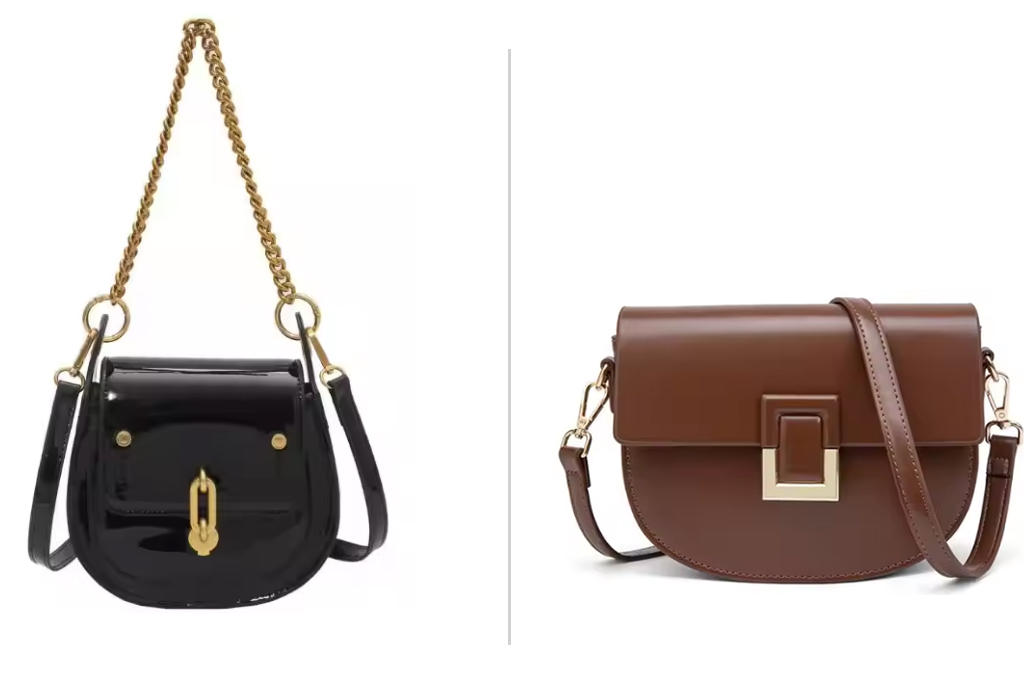
Aesthetic Role of Bag Hardware
1. Decorative Elements (Charms, Pendants)
Bag hardware like charms and pendants plays a significant decorative role in elevating the visual appeal of a bag. For instance, trendy metallic heart-shaped charms or playful tassel pendants can add personality to an otherwise simple bag. Brands like Michael Kors and Louis Vuitton often incorporate signature charms, such as monogrammed initials or unique symbols, making their bags easily recognizable and luxurious. These elements not only reflect the wearer’s style but can also align with seasonal trends, such as floral charms in spring or festive motifs during the holiday season.
2. Enhancing the Overall Style of the Bag
Bag hardware complements the overall style and theme of a bag. For example, sleek, geometric hardware in brushed metal can enhance the minimalist appeal of a contemporary crossbody bag. Similarly, ornate hardware with intricate detailing often aligns with vintage-inspired designs. A structured tote with gold-tone hardware exudes sophistication, while a slouchy hobo bag with oversized silver zippers leans towards a more casual, edgy vibe. Designers carefully choose hardware shapes and finishes to ensure the bag’s aesthetic aligns with its intended style and audience.
3. Popular Finishes: Matte, Polished, Antique
The finish of the hardware significantly impacts the bag’s look and feel. Matte finishes, like brushed brass or black metal, are often associated with understated elegance, ideal for professional or casual bags. Polished finishes, such as glossy gold or chrome, lend a luxurious and glamorous touch, often seen in evening clutches or high-end handbags. Antique finishes, like oxidized brass or bronze, evoke a vintage charm and are commonly used in retro-style or boho bags. For example, Gucci’s iconic GG Marmont bag features antique gold hardware that seamlessly blends with its quilted leather design.
4. Coordinating with Bag Fabric or Leather
Hardware coordination with the bag’s material is crucial for achieving a cohesive look. For instance, shiny hardware might clash with matte leather but can look stunning on patent leather bags. Soft fabrics like suede pair beautifully with warm-toned hardware, such as copper or gold, while structured leather bags often complement cool-toned hardware like silver or gunmetal. Brands like Coach often meticulously match hardware tones to leather textures, ensuring a harmonious balance. For example, a light beige leather handbag with rose gold accents creates a soft and feminine aesthetic, while a black leather tote with gunmetal hardware achieves a bold and modern look.
Choosing the Right Hardware for Your Bag
1. Durability and Strength
Durability is a key factor when selecting bag hardware, especially for frequently used bags like totes or backpacks. Strong materials, such as stainless steel or solid brass, are ideal for components like handles, buckles, and zippers. For example, a high-quality D-ring in a leather handbag must be robust enough to support the weight of the bag and its contents without bending or breaking. Accessories like rivets and magnetic closures should also be tested for long-term wear and tear to ensure reliability. Choosing hardware with durable finishes, such as PVD-coated metal, can protect against rust and corrosion, further enhancing longevity.
2. Compatibility with the Bag’s Design
Bag hardware should seamlessly integrate with the bag’s design and purpose. For instance, oversized zippers and chains add a bold statement to edgy streetwear bags, while delicate clasps and thin chains suit elegant evening clutches. The placement and style of the hardware also matter—consider how a chunky buckle might overpower a small, sleek handbag or how dainty hardware could feel out of place on a rugged canvas messenger bag. A brand like Kate Spade, for example, balances fun and functional designs by pairing whimsical motifs with gold-tone hardware that doesn’t detract from the bag’s overall aesthetic.
3. Impact on the Bag’s Overall Cost
The type and quality of hardware can significantly influence a bag’s price. Premium materials like solid brass or gold-plated hardware increase production costs, often reflected in the retail price of luxury handbags. Conversely, affordable options like lightweight aluminum or molded plastic hardware can keep costs lower but may sacrifice durability or style. For example, a high-end designer bag with polished metal hardware might cost upwards of $2,000, while a mass-market faux leather bag with basic plastic buckles could retail for under $50. When designing or purchasing a bag, the cost-benefit tradeoff of hardware materials should be carefully evaluated.
4. Metal vs. Plastic Hardware
Metal hardware is known for its durability, strength, and upscale appearance, making it the preferred choice for most high-quality handbags. Stainless steel or zinc alloy hardware, for instance, offers excellent resistance to wear and tear. In contrast, plastic hardware is lightweight, budget-friendly, and available in various colors, making it suitable for casual bags or children’s accessories. However, plastic is more prone to cracking or fading over time. A practical example is the difference between a luxury satchel with gold-tone metal buckles and a casual nylon backpack with plastic clips—each serves its purpose but caters to different needs and price points.
5. How to Choose Hardware for Long-Lasting Performance
To ensure your bag’s hardware lasts, prioritize materials and finishes that resist daily wear. Opt for stainless steel or anodized aluminum for components exposed to stress, such as zippers, straps, and D-rings. Check for smooth mechanisms, like well-aligned zippers or spring clasps that snap securely into place. Additionally, consider the bag’s intended use: waterproof hardware is essential for outdoor bags, while anti-scratch coatings are useful for polished finishes on handbags. Brands like Tumi often incorporate reinforced hardware to cater to frequent travelers, ensuring the bag withstands rough handling.
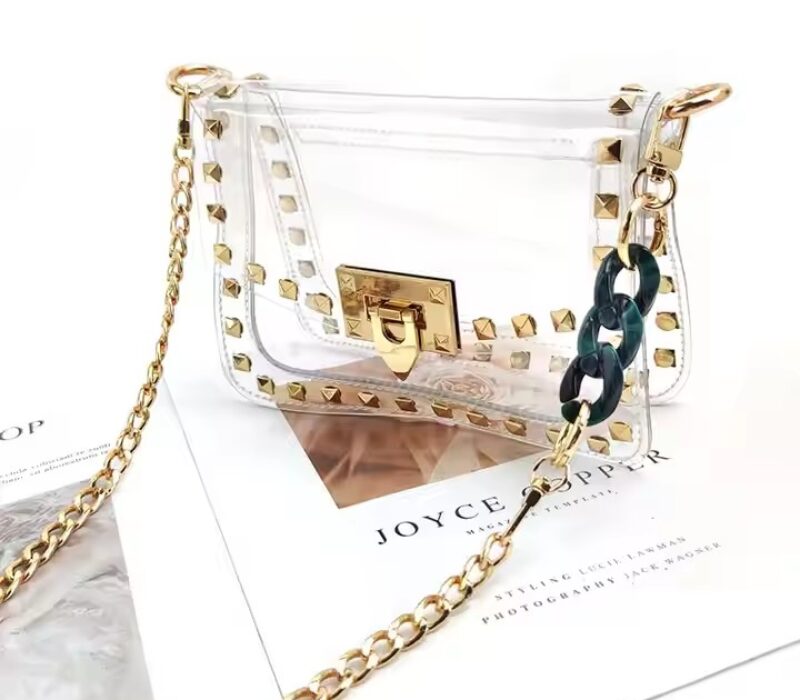
Tips for Installing Bag Hardware
1. Tools You’ll Need
1.1 Eyelets, Pliers, Hammers, and Screwdrivers
Installing bag hardware requires a range of tools depending on the type of hardware being used. Eyelets are essential for reinforcing holes where straps or cords pass through. Pliers and hammers help secure rivets or snaps, while screwdrivers are indispensable for screws used in buckles or twist locks. For example, a basic kit for installing a magnetic clasp might include a screwdriver and a hammer to gently press and secure the pieces.
1.2 Choosing the Right Tools for Different Hardware
Each type of hardware may require specific tools. For instance:
– D-rings and buckles: Use a strong screwdriver or hand press to ensure screws are tightly secured.
– Rivets: Rivet-setting pliers or a rivet press can give a professional finish.
– Zippers: Specialized zipper pliers ensure smooth installation and alignment of teeth.
Investing in high-quality tools ensures a better outcome, especially for heavy-duty hardware like solid brass buckles or thick rivets.
1.3 Step-by-Step Guide to Attaching Zippers and Rivets
1.31Attaching a Zipper:
– Mark the zipper’s placement on the fabric.
– Use fabric glue or pins to hold the zipper in place temporarily.
– Sew the zipper using a zipper foot for precise stitching.
– Check the alignment by zipping and unzipping before finishing.
1.32 Installing Rivets:
– Punch a hole in the material using an awl or leather punch.
– Insert the rivet post through the hole and place the cap on top.
– Secure using a rivet setter and hammer, tapping gently but firmly to avoid dents.
2. Tips to Avoid Common Mistakes Like Crooked Attachments
Crooked hardware can ruin the appearance of a bag. Here are tips to avoid this:
– Measure and mark carefully: Use a ruler and chalk to ensure the hardware is aligned symmetrically.
– Double-check before securing: Temporarily place hardware on the bag to assess alignment.
– Apply even pressure: When hammering or using pliers, ensure consistent force to avoid tilting hardware.
For example, when attaching handles with screws, tighten each screw gradually and evenly to maintain balance.
3. Troubleshooting Hardware Issues
Common hardware issues, like misaligned zippers or loose rivets, can usually be resolved with simple adjustments:
– Misaligned zippers: Use zipper pliers to realign teeth or replace the slider if it’s bent.
– Loose rivets: Tap gently with a rivet setter and hammer to reseal them. For persistent issues, replace the rivet entirely.
– Snaps that won’t close:** Check for debris in the clasp or gently reshape with pliers to improve the fit.
4. Fixing Broken Zippers, Loosening Rivets, etc.
4.1 Fixing Broken Zippers:
– Stuck zipper: Rub the teeth with soap or a pencil (graphite) to lubricate the track.
– Broken slider: Replace the slider by removing it with pliers and attaching a new one.
4.2 Loosening Rivets:
– If a rivet begins to loosen over time, remove it carefully with pliers and replace it with a new one of the same size. Ensure the rivet is tightly set using a rivet press.
4.3 Other Hardware Issues:
– Wobbly screws in buckles: Apply a drop of thread locker (e.g., Loctite) before tightening the screw.
– Scratched hardware finish: Use metal polish to minimize scratches on polished hardware like gold or chrome.
Maintaining and Caring for Bag Hardware
1. Cleaning Tips for Different Materials
Proper cleaning is essential to maintain the appearance and functionality of bag hardware. Each material requires a unique approach:
– Metal Hardware (Gold, Silver, or Brass):
Use a soft cloth dipped in a solution of mild dish soap and warm water to wipe down metal hardware. For stubborn grime, a toothbrush with soft bristles can help reach crevices. For example, polished gold hardware on a luxury bag like Chanel’s Classic Flap Bag should be cleaned gently to avoid scratching the surface.
– Plastic Hardware:
Wipe plastic components with a damp microfiber cloth. Avoid abrasive cleaners that might dull or scratch the plastic. For instance, zippers with plastic teeth on casual backpacks can be cleaned with mild soap and water, ensuring no residue is left behind.
– Antique or Oxidized Finishes:
Use a dry cloth or a specialized cleaner designed for antique metal finishes to preserve their unique patina. Avoid water, as it might strip the finish or cause discoloration. For example, antique brass hardware on a vintage-style leather bag should be maintained with minimal moisture exposure.
2. Preventing Tarnish or Rust
Preventing tarnish or rust is critical for extending the lifespan of bag hardware:
– Regular Maintenance:
Clean hardware monthly to remove oils and dirt that accelerate tarnish. Wipe down frequently used bags with a dry cloth to remove fingerprints, which can cause corrosion over time.
– Protective Coatings:
Apply a thin layer of clear nail polish or a dedicated metal sealant to metal hardware prone to tarnishing. For instance, applying a sealant to polished silver hardware on a high-end handbag can protect it from tarnish caused by humidity.
– Storage Tips:
Store bags with metal hardware in a cool, dry place. Use silica gel packets in the storage area to absorb excess moisture, reducing the risk of rust. Ensure hardware doesn’t touch other metal surfaces to prevent scratches or oxidation.
– Avoid Exposure to Harsh Conditions:
Keep bags away from prolonged exposure to rain, saltwater, or humid environments. For example, if you carry a bag with matte black hardware on a rainy day, dry it immediately with a soft cloth to prevent water spots or rust.
Trending Bag Hardware Styles in 2025
1. Minimalist Designs
Minimalism continues to dominate the fashion landscape in 2025, and this extends to bag hardware. Simple, sleek hardware like understated clasps, seamless zippers, and unobtrusive D-rings are preferred for modern, streamlined looks. For instance, brands like Céline and Everlane are showcasing bags with nearly invisible hardware that complements clean, geometric silhouettes. A crossbody bag might feature a magnetic closure that blends seamlessly with the material, offering a fuss-free yet chic aesthetic. This trend appeals to those who prioritize function and elegance without the distraction of overly decorative elements.
2. Trending Finishes: Brushed Nickel, Satin Gold
– Brushed Nickel: Its muted, slightly textured surface is a popular choice for everyday bags, offering a contemporary, industrial feel. For example, brushed nickel zippers on a grey canvas tote create a cohesive, modern look.
– Satin Gold: This soft, lustrous finish is trending for more glamorous pieces. Unlike polished gold, satin gold offers a subtle shine that feels luxurious without being overly flashy. Designer handbags, like those from Michael Kors, often incorporate satin gold chain straps or clasps for a timeless yet trendy touch.
3. Vintage and Retro Hardware
Nostalgia reigns supreme in 2025 with vintage and retro-inspired hardware making a strong comeback. Old-school details like kiss-lock clasps, ornate buckles, and oversized grommets add a distinctive charm to handbags. For example:
– A leather handbag with a vintage-inspired frame clasp evokes the elegance of the 1950s.
– Ornate buckles on a structured satchel bring back the glamour of Victorian-era fashion. This trend is particularly popular in handbags designed to pair with retro-style outfits or to add a nostalgic flair to modern wardrobes. Gucci and Prada are leading the way with collections that feature aged brass finishes and intricate hardware details.
4. Eco-Friendly Hardware Options
Sustainability is a top priority in the fashion industry in 2025, and eco-friendly hardware options are becoming more mainstream:
– Recycled Metal: Many designers now use recycled aluminum or brass for hardware, reducing the environmental impact of production. For instance, Stella McCartney’s handbags often incorporate recycled metal rings and buckles as part of their commitment to sustainable practices.
– Biodegradable Plastic Alternatives: Bioplastics derived from corn or bamboo are being used for lightweight hardware like snaps and zippers. These materials break down naturally over time, aligning with eco-conscious consumer values.
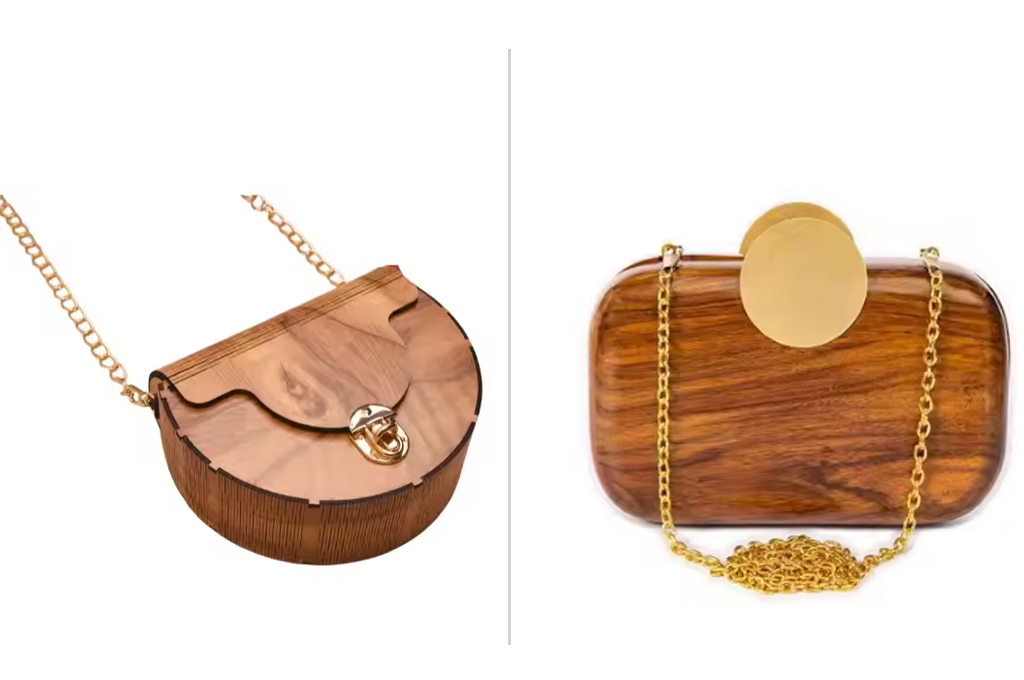
How Do Decorative Hardware Elements Enhance a Bag’s Style?
1. Creating Visual Interest
Decorative hardware elements like charms, pendants, and studs instantly draw attention and add character to a bag. For example:
– Charms: Iconic brands like Louis Vuitton offer customizable monogrammed charms that reflect personal style while elevating the bag’s luxurious appeal.
– Studs: Bags with metallic studs, like Valentino’s Rockstud collection, exude edgy sophistication, making them a favorite for bold, fashion-forward individuals.
2. Reinforcing a Specific Aesthetic Theme
Decorative hardware is often used to emphasize a particular design theme:
– Bohemian Styles: Bags with dangling tassels, wooden beads, or antique brass hardware align with a boho-chic aesthetic. A leather crossbody with a crescent-shaped brass buckle, for example, perfectly complements a free-spirited look.
– Glamorous Looks: Crystal-embellished clasps or gold-tone chain straps add a touch of opulence to evening bags. Jimmy Choo’s clutch bags, adorned with Swarovski crystals, highlight this approach to glamour.
– Minimalist Designs: Sleek, unobtrusive hardware, like thin bar closures or geometric pendants, enhances the elegance of minimalist bags without overpowering their simplicity.
3. Adding Brand Identity
Many luxury brands use decorative hardware as a hallmark of their identity. Signature elements not only enhance the bag’s style but also make it instantly recognizable:
– Hermès: The Kelly and Birkin bags feature the brand’s signature turn-lock hardware, which is both decorative and functional.
– Gucci: The interlocking GG logo buckle or tiger head closures serve as iconic decorative elements that signify luxury and craftsmanship.
– Chloé: The “C” hardware on Chloé’s handbags is a prominent decorative feature that defines the brand’s identity.
4. Balancing and Enhancing Material Choices
Decorative hardware complements the bag’s material and creates a cohesive design. For example:
– Leather Bags: Polished metal clasps or engraved embellishments on smooth leather add sophistication. A saddle bag with antique brass buckles pairs beautifully with distressed leather for a rustic vibe.
– Fabric Bags: Bright, colorful hardware, such as enameled charms or lacquered chains, adds playfulness and contrast to canvas or nylon bags. For instance, Marc Jacobs’ canvas totes often feature bold metallic accents that enhance the casual material.
5. Evoking a Sense of Luxury
High-end decorative hardware, such as gold-plated locks, crystal-embedded clasps, or intricately designed chains, adds a luxurious feel to handbags. A clutch with a jeweled clasp, like Judith Leiber’s creations, instantly transforms an accessory into an art piece. The hardware serves as a symbol of exclusivity and fine craftsmanship, making the bag more desirable to consumers seeking luxury.
What Are the Most Common Issues with Bag Hardware and How Can I Fix Them?
1. Broken or Stuck Zippers
Zippers are one of the most frequently encountered hardware issues in bags.
1.1 Common Problems:
– Zipper teeth misaligned or separated.
– Zipper slider stuck or jammed.
– Slider worn out or broken.
1.2 How to Fix:
– Stuck Zipper: Rub a graphite pencil over the teeth or apply a small amount of soap, wax, or zipper lubricant to ease the slider’s movement.
– Misaligned Teeth: Use pliers to carefully realign the teeth, ensuring they interlock correctly.
– Worn or Broken Slider: Replace the slider with a new one. Use a seam ripper to remove the stopper, slide off the old slider, and attach a new one, securing it with a new stopper. High-quality sliders like those from YKK are recommended for replacements.
2. Loose or Missing Rivets
Rivets can loosen or fall out over time, especially in heavily used bags.
2.1 Common Problems:
– Rivets become wobbly or detach from the material.
– Rivets pop out due to overloading or wear.
2.2 How to Fix:
– Loose Rivets: Use a rivet setter and hammer to gently tap the rivet back into place, ensuring it’s snugly secured.
– Missing Rivets: Replace with a new rivet of the same size and type. Punch a hole in the material, insert the rivet post, place the cap, and secure it using a rivet setter or pliers. Opt for solid brass rivets for durability.
3. Malfunctioning Magnetic Closures
Magnetic closures can weaken or misalign over time, leading to reduced functionality.
3.1 Common Problems:
– Magnets lose their strength.
-The closure alignment is off, making it hard to fasten.
3.2 How to Fix:
– Weakened Magnets: Replace the magnetic snap with a stronger one of the same diameter. Remove the old snap using pliers and install the new one by securing it through the pre-existing holes.
– Misaligned Closures: Adjust the positioning by unscrewing or unstitching the magnetic base and reinstalling it in the correct alignment.
4. Scratched or Tarnished Hardware
Hardware like buckles, clasps, or chains can become scratched or tarnished, diminishing the bag’s aesthetic appeal.
4.1 Common Problems:
– Scratches on polished metal surfaces.
– Tarnish or discoloration on brass or silver finishes.
4.2 How to Fix:
– Scratches: Use a metal polish, like Brasso or a jewelry cleaning cloth, to buff out minor scratches on polished surfaces. For deeper scratches, consult a professional or replace the hardware.
– Tarnish: Clean tarnished hardware with a mix of lemon juice and baking soda, gently scrubbing with a toothbrush. Rinse thoroughly and dry to prevent further oxidation.
5. Loose Buckles or D-Rings
Buckles and D-rings can become loose or detached, compromising the bag’s functionality.
5.1 Common Problems:
– Screws in buckles loosen over time.
– D-rings pull away from their attachments.
5.2 How to Fix:
– Loose Screws: Tighten screws with a small screwdriver. Apply a drop of thread locker (e.g., Loctite) to prevent them from loosening again.
– Detached D-Rings: Replace with a new D-ring and reinforce the attachment point with stitching or additional rivets. For heavily loaded bags, consider thicker D-rings made of stainless steel.
6. Noisy or Squeaky Chains
Chains on straps can become noisy, squeaky, or stiff with regular use.
6.1 Common Problems:
– Chains squeak when moved.
– Links become stiff or tangled.
6.2 How to Fix:
– Squeaky Chains: Apply a small amount of lubricant, such as silicone spray or baby oil, to the joints. Wipe away excess to avoid staining the bag material.
– Stiff Links: Gently manipulate each link to loosen it. If the chain is tangled, use pliers to carefully separate the links.
7. Bent or Warped Clasps
Clasps can bend or warp, making it difficult to secure the bag.
7.1 Common Problems:
– Clasps no longer align properly.
– Metal has warped, preventing smooth closure.
7.2 How to Fix:
– Bent Clasps: Use pliers to carefully bend the clasp back into shape. Place a cloth between the pliers and the hardware to prevent additional scratches.
– Warped Clasps: If the damage is severe, replace the clasp entirely with a new one by unscrewing or unstitching the old hardware and attaching the replacement.
Regular maintenance and prompt repairs can extend the life of bag hardware, ensuring the bag remains both functional and visually appealing. By addressing common issues with these practical fixes, you can restore your bag to its original condition.
Conclusion
Selecting quality hardware is crucial for both the functionality and style of a bag. High-quality hardware ensures durability, allowing components like zippers, buckles, and clasps to withstand regular use without breaking or wearing out prematurely. Functionally, robust hardware supports the bag’s structure, secures its contents, and provides ease of use through smooth mechanisms. From a style perspective, well-crafted hardware enhances the bag’s aesthetic, adding a polished, professional finish that complements its design.
For instance, brushed gold buckles on a leather tote convey elegance, while sturdy gunmetal zippers on a backpack exude modernity. By investing in quality hardware, designers and consumers alike achieve a perfect balance between practicality and visual appeal, resulting in a bag that is both reliable and fashionable.
If you like it, Share :
Read other blog posts